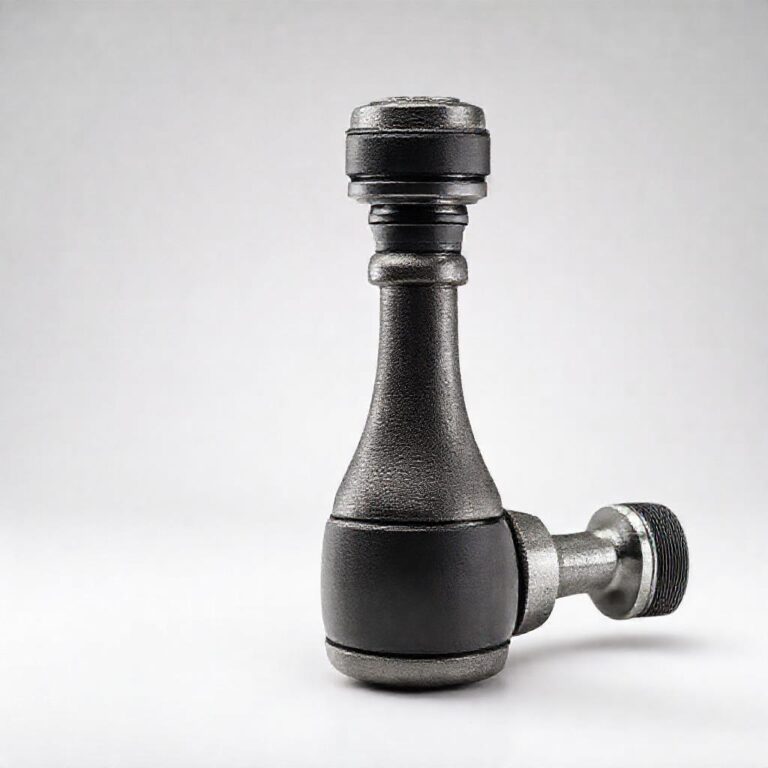
What is Universal Joint Socket
Universal joint sockets, often referred to as U-joints, are critical components in various mechanical systems, enabling the transfer of rotational power through variable angles. They are indispensable in industries ranging from automotive and aerospace to manufacturing and beyond. This article will delve into the definition, types, applications, maintenance, and selection of universal joint sockets, providing a comprehensive understanding of their importance and functionality.
Introduction to Universal Joint Sockets
Universal joint sockets are mechanical components designed to connect two rotating shafts that are not in a straight line. They allow for the transmission of power through angles, making them essential in applications where linear alignment is not feasible. These joints are crucial in ensuring smooth and efficient operation in numerous mechanical systems, from vehicles to industrial machinery.
Understanding Universal Joint Sockets
Definition and Function
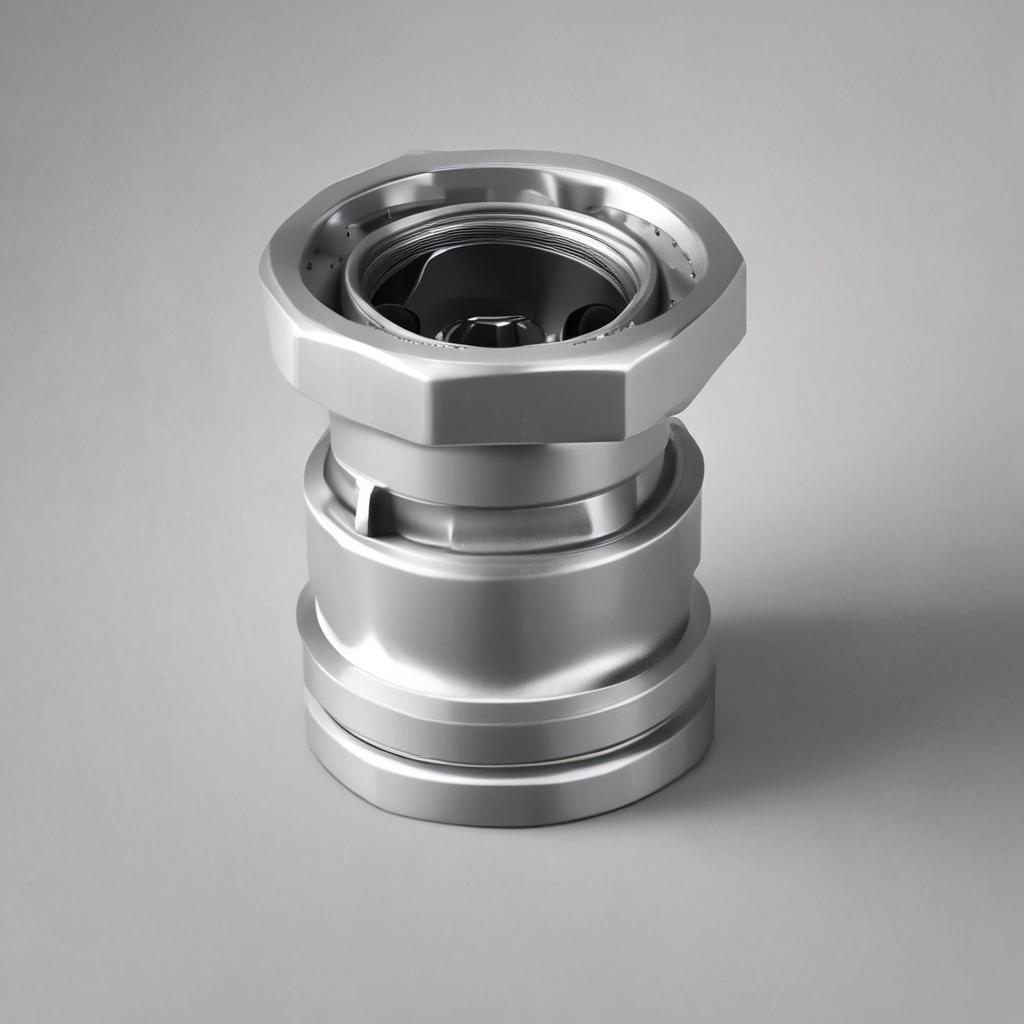
A universal joint socket, or U-joint, is a flexible coupling that connects two shafts and allows for the transfer of rotational power at varying angles. The primary function of a U-joint is to accommodate angular misalignment between the shafts while maintaining a consistent transfer of torque. The components of a U-joint typically include a cross-shaped yoke, a spider (or cross), and needle bearings that allow for smooth rotation.
Types of Universal Joint Sockets
There are several types of universal joint sockets, each designed for specific applications:
- Single Universal Joint: The most basic type, suitable for applications with small angular displacements. It is commonly used in automotive driveshafts and agricultural machinery.
Applications of Universal Joint Sockets
Industrial Uses
Universal joint sockets play a vital role in various industrial applications:
- Automotive Industry: U-joints are essential in driveshafts, steering systems, and transmission linkages, ensuring efficient power transfer and vehicle performance.
Non-Industrial Applications
Universal joint sockets are also used in everyday tools and machinery:
- Lawn Mowers: U-joints are used in the drive systems of lawn mowers to transfer power from the engine to the blades.
Maintenance and Repair of Universal Joint Sockets
Signs of Wear and Tear
Recognizing the signs of wear and tear is crucial for maintaining the performance and longevity of universal joint sockets:
- Vibration: Excessive vibration during operation can indicate a worn or damaged U-joint.
Maintenance Tips
Regular maintenance can significantly extend the lifespan of universal joint sockets:
- Lubrication: Ensure that the U-joint is properly lubricated to reduce friction and wear. Use a high-quality grease suitable for the application.
Choosing the Right Universal Joint Socket
Factors to Consider
Selecting the right universal joint socket for a specific application involves several considerations:
- Torque Requirements: Choose a U-joint that can handle the required torque without excessive stress or deformation.
Material Selection
The material of a universal joint socket can significantly impact its performance:
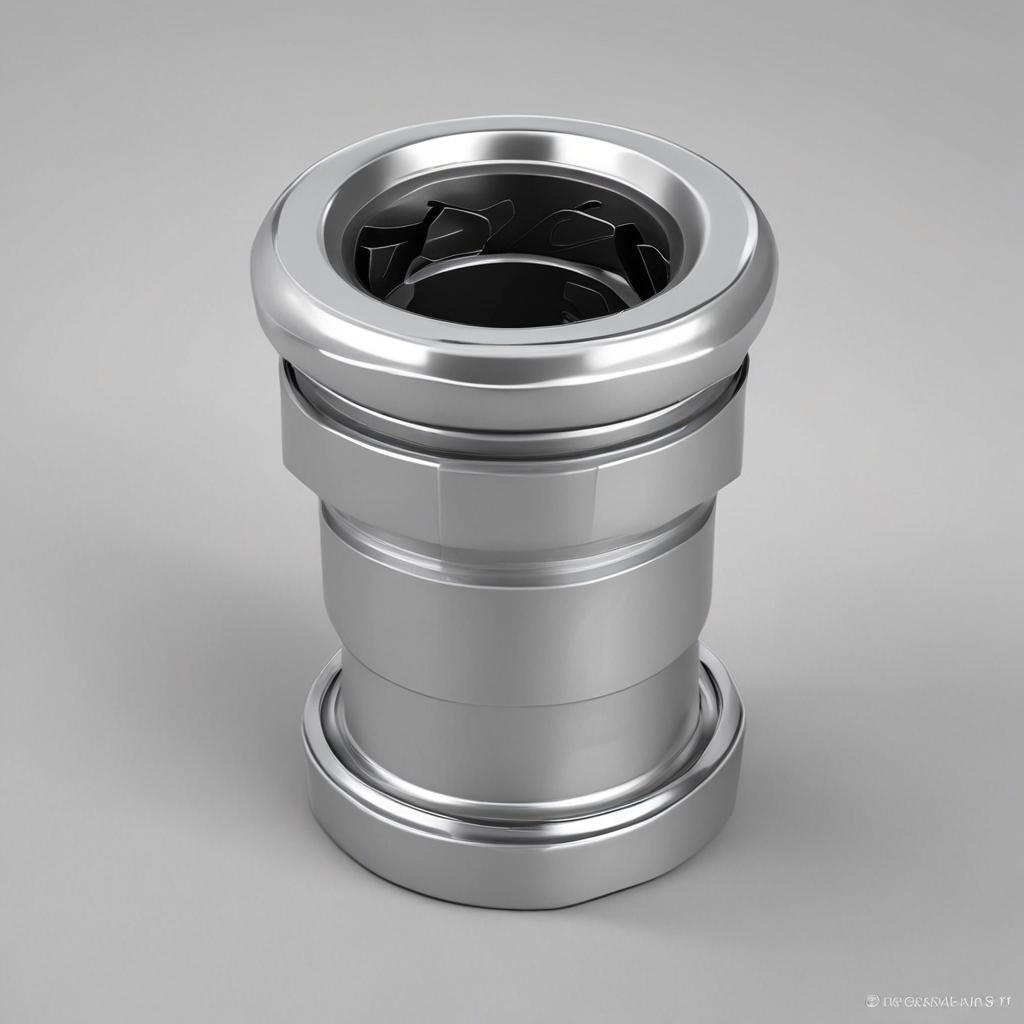
- Steel: Known for its strength and durability, steel is a common choice for heavy-duty applications but can be heavier and more prone to corrosion.
Conclusion
Universal joint sockets are versatile and essential components in a wide range of mechanical systems. Their ability to transfer power through variable angles makes them indispensable in industries from automotive and aerospace to manufacturing and everyday tools. By understanding their function, types, applications, maintenance, and selection criteria, you can ensure that your machinery operates efficiently and reliably. Future developments in U-joint technology promise to further enhance their performance and adaptability.
Frequently Asked Questions
Q: What is the primary advantage of using a universal joint socket?
Features table for Q: What is the primary advantage of using a universal joint socket?
The primary advantage is the ability to transfer power through variable angles without a significant loss in efficiency or speed.
Q: How often should universal joint sockets be maintained?
Maintenance schedules can vary depending on usage, but regular lubrication and inspection every 1-3 months are recommended for high-use applications.
Q: Can universal joint sockets be customized for specific applications?
Yes, many manufacturers offer custom designs for universal joint sockets tailored to meet specific torque, angle, and environmental requirements.
Q: What are the common signs of a failing universal joint socket?
Common signs include excessive vibration, unusual noises, and a decrease in the efficiency of the connected machinery or vehicle.