Using a Universal Joint Socket
When it comes to automotive repairs, using the right tools can make all the difference. One such tool that stands out for its versatility and efficiency is the universal joint socket. This essential tool is designed to handle the unique challenges of working with universal joints, ensuring that your repairs are both precise and effective. In this article, we’ll explore what a universal joint socket is, when to use it, how to choose the right one, and provide a step-by-step guide to using it effectively. Whether you’re a seasoned mechanic or a DIY enthusiast, this guide will equip you with the knowledge and skills you need to tackle your automotive repairs with confidence.
What is a Universal Joint Socket?
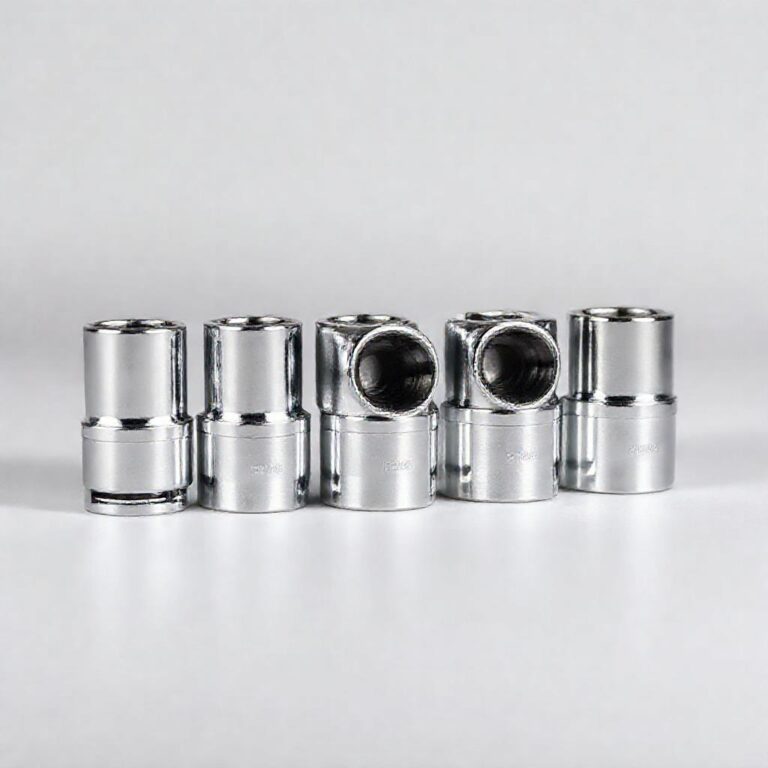
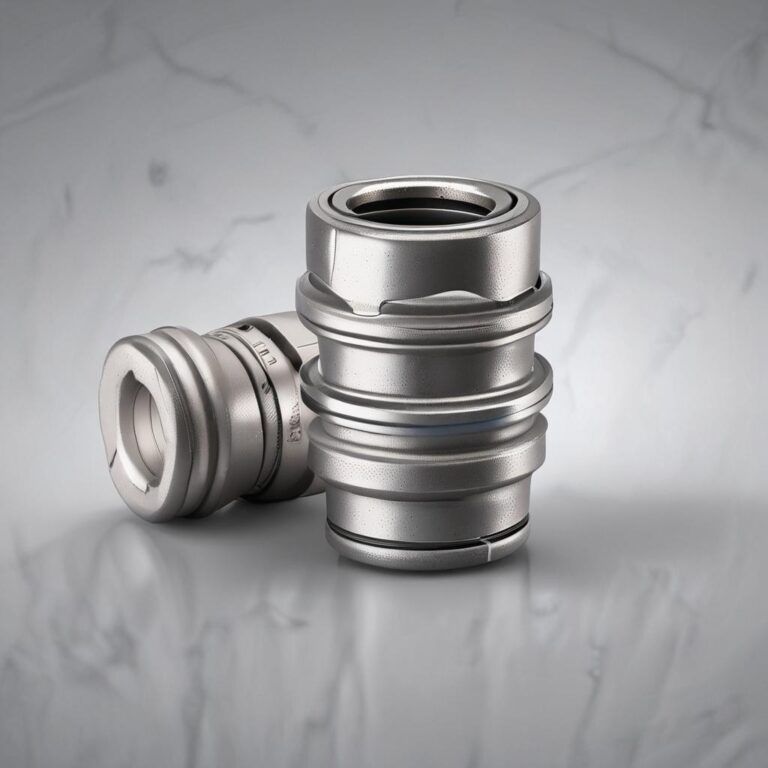
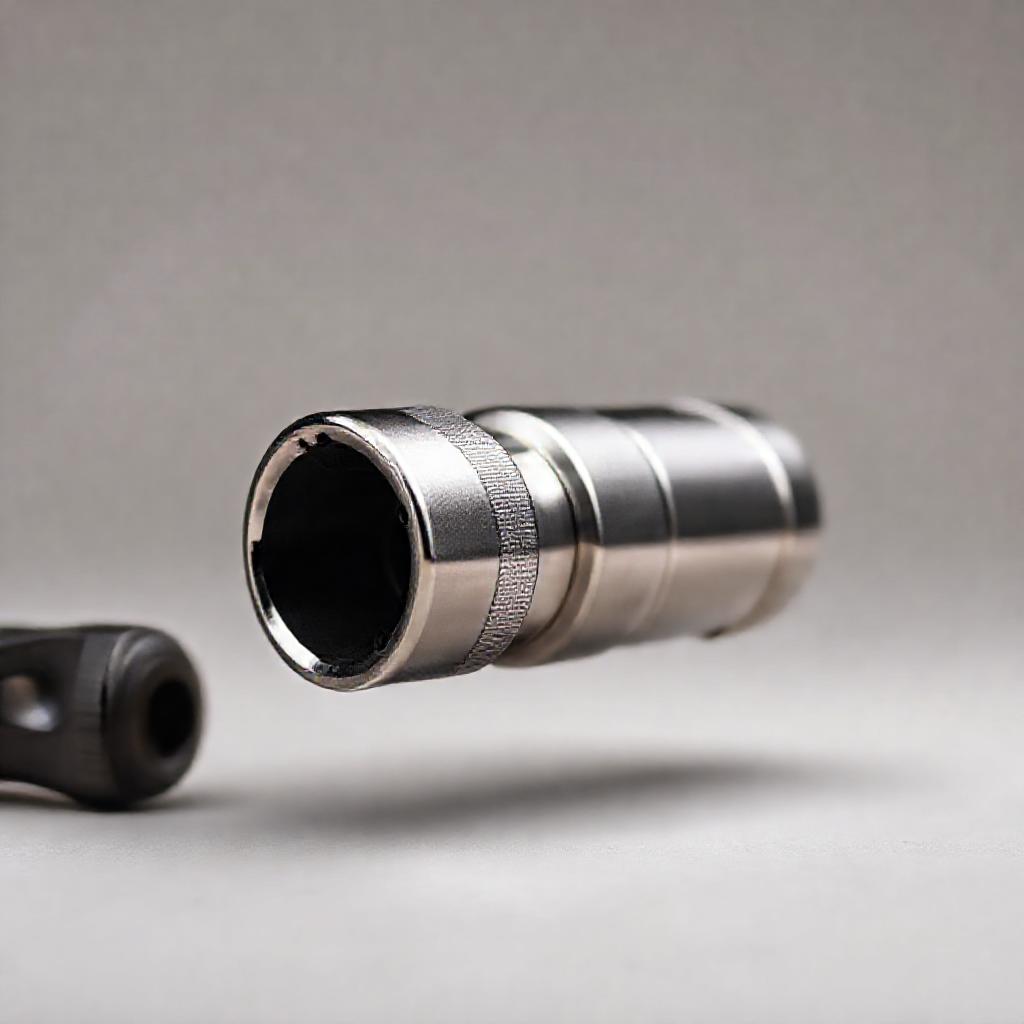
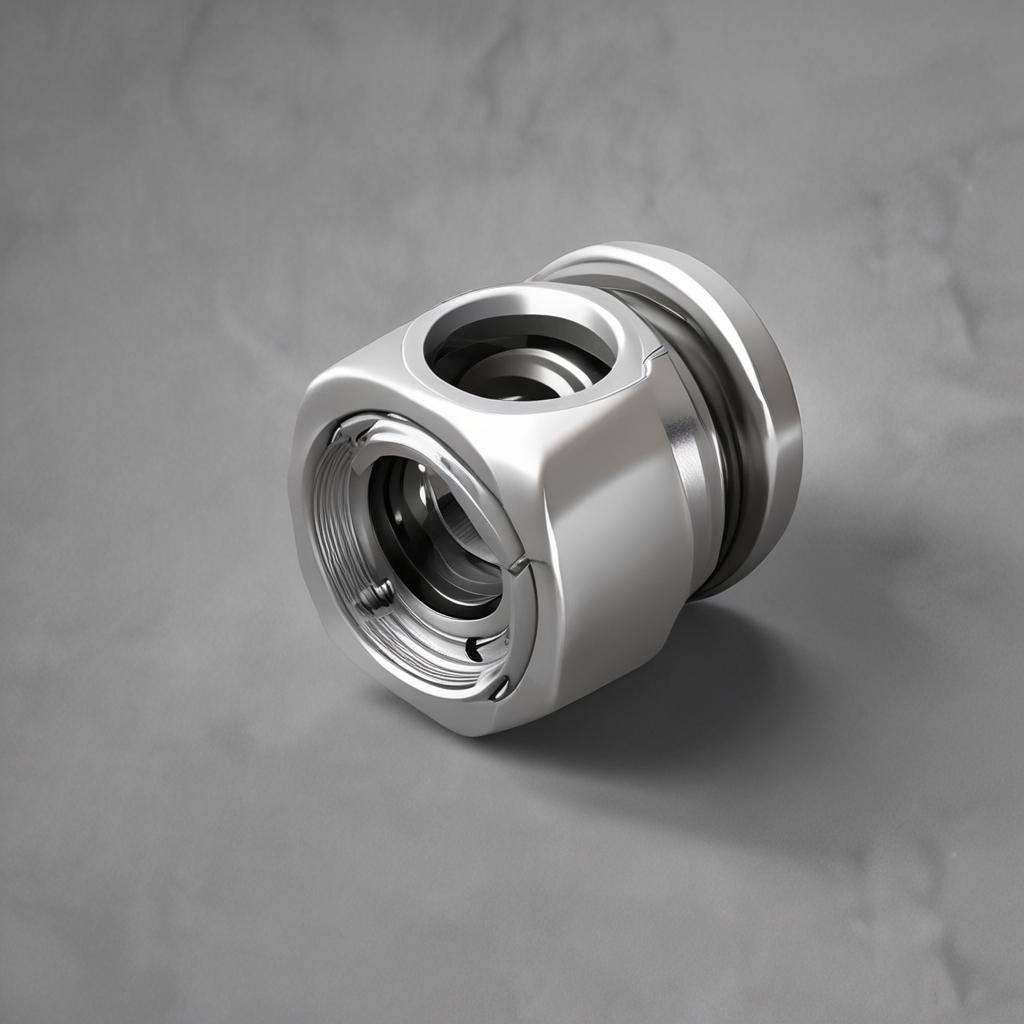
A universal joint socket, often referred to as a U-joint socket, is a specialized tool designed to fit and remove universal joints from various automotive components. These sockets are engineered to accommodate the unique shape and structure of universal joints, making them indispensable for tasks such as driveshaft and CV joint maintenance.
The components of a universal joint socket include:
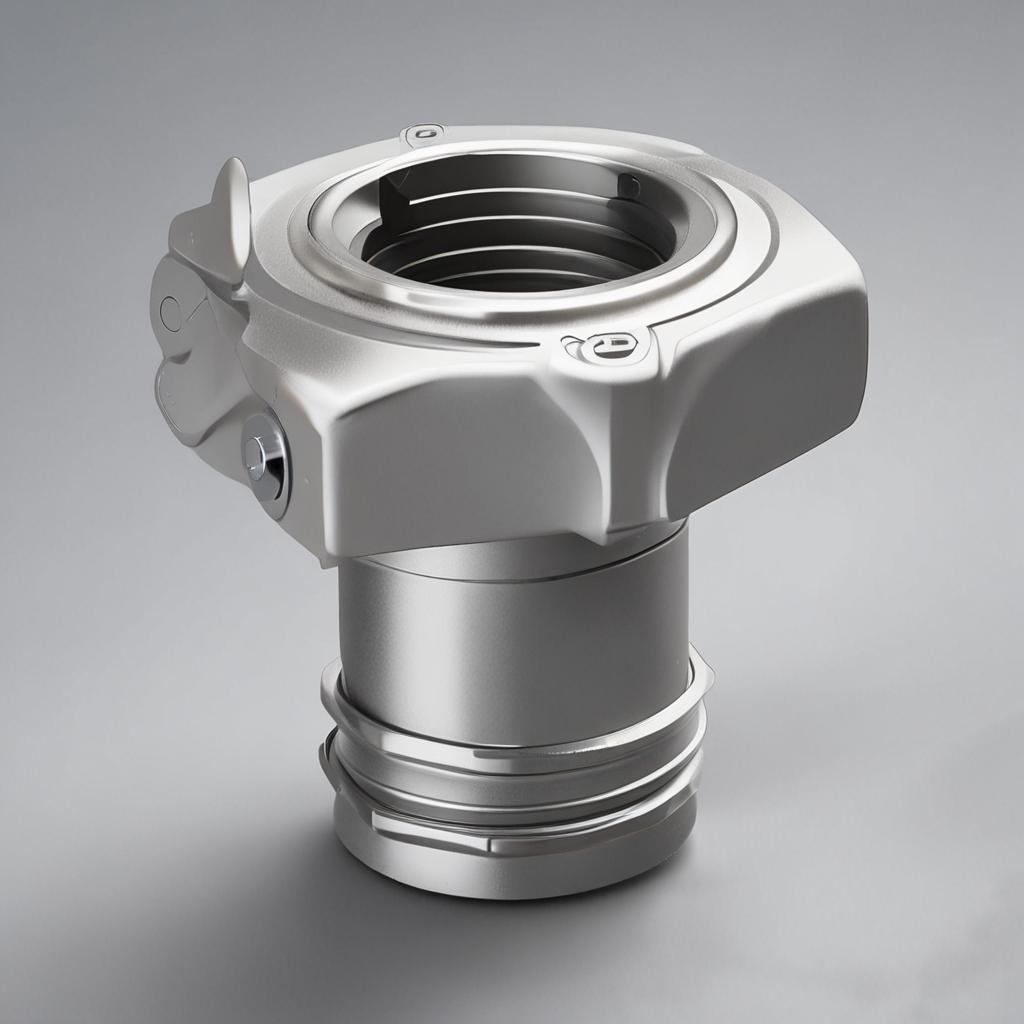
- Socket Head: The part that fits over the universal joint, typically featuring a 6-point or 12-point design.
Common types of universal joint sockets include 6-point and 12-point designs, each offering different levels of grip and precision depending on the job at hand.
When to Use a Universal Joint Socket
A universal joint socket is necessary in scenarios where you need to remove or install universal joints. These joints are commonly found in driveshafts, CV joints, and other drivetrain components. Using a universal joint socket ensures that you can:
- Remove universal joints safely and efficiently.
The advantages of using a universal joint socket over other tools include better grip, reduced risk of slipping, and the ability to apply precise torque, making your repairs more reliable and lasting.
How to Choose the Right Universal Joint Socket
Selecting the right universal joint socket involves considering several factors:
- Size: Ensure the socket matches the size of the universal joint you are working with.
Compatibility with different vehicle models is crucial. Always refer to your vehicle’s manual or consult a professional to ensure you choose the right socket. Some recommended universal joint sockets include those from brands like GearWrench, Snap-on, and Craftsman, known for their quality and performance.
Key Features
Universal Joint Compatibility
Fits various joint types
Available
Deep Socket Design
Reaches tight spaces
Available
High Torque Capacity
Handles heavy loads
Available
Durable Chrome Finish
Resists rust and wear
Available
Quick Release Mechanism
Fast tool changes
Available
Feature overview for Using a Universal Joint Socket
Step-by-Step Guide to Using a Universal Joint Socket
Preparing the Workspace and Tools
Before you begin, ensure your workspace is clean and well-lit. Gather all necessary tools, including the universal joint socket, a ratchet, and any safety equipment. Make sure the vehicle is parked on a flat surface with the engine turned off and the wheels chocked for stability.
Identifying the Universal Joint
Locate the universal joint you need to work on. This could be part of the driveshaft, CV joint, or another drivetrain component. Inspect the joint for any signs of wear or damage to determine if replacement is necessary.
Removing the Universal Joint
When removing a universal joint, follow these safety precautions:
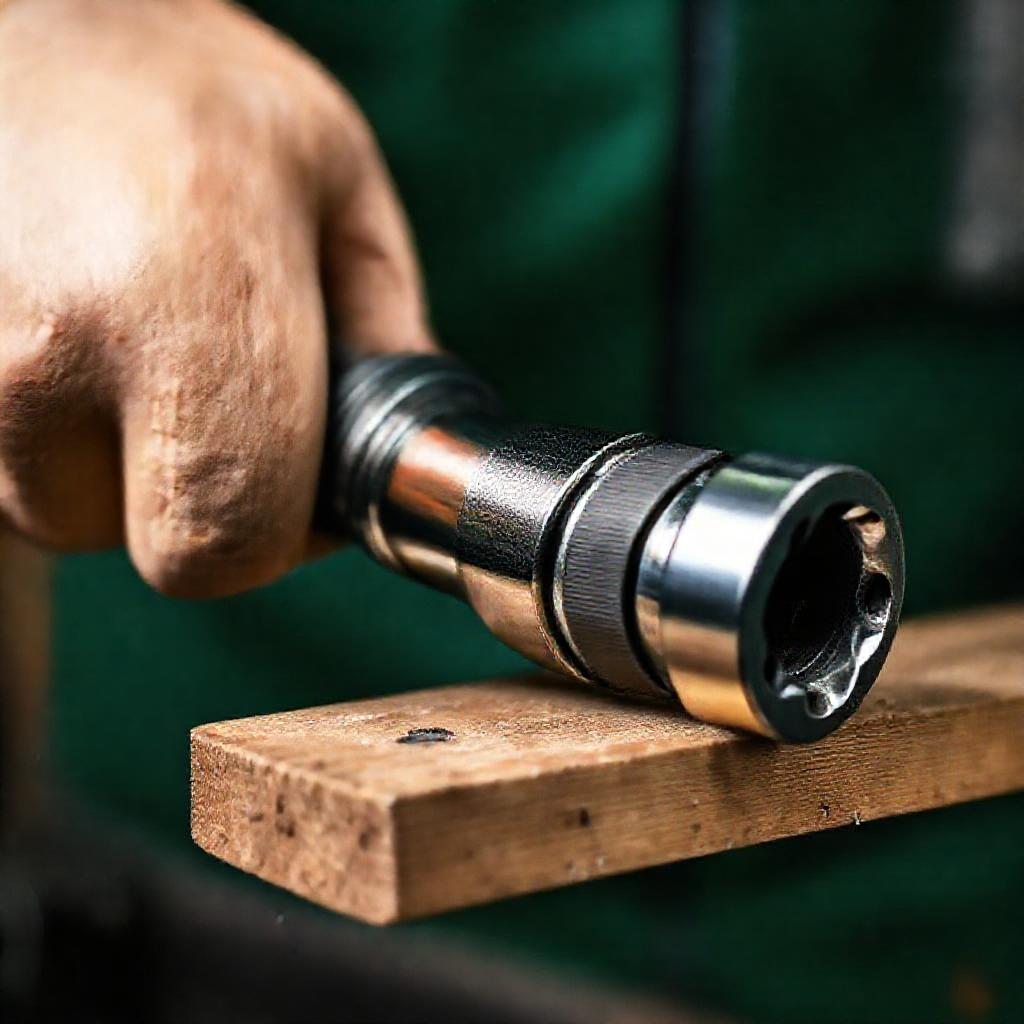
- Wear personal protective equipment (PPE), including gloves and safety glasses.
Here are the detailed steps:
- Position the universal joint socket over the joint. Ensure it fits snugly and securely.
- Attach the ratchet to the drive socket. Apply steady, controlled pressure to loosen the joint.
- Once the joint is loose, carefully remove it from the vehicle. Place it in a safe location to avoid damage.
Installing a New Universal Joint
When installing a new universal joint, follow these safety precautions:
- Wear personal protective equipment (PPE), including gloves and safety glasses.
Here are the detailed steps:
- Position the new universal joint in place. Ensure it aligns correctly with the existing components.
- Place the universal joint socket over the joint and attach the ratchet. Apply steady, controlled pressure to secure the joint.
- Double-check the installation to ensure the joint is securely fastened.
Common Issues and Troubleshooting
Common problems when using a universal joint socket include:
- Slipping: Ensure the socket fits the joint correctly and is securely attached to the ratchet.
To avoid these issues, always:
- Use the correct size and type of socket.
If you encounter persistent issues or are unsure about the process, it’s best to seek professional help to avoid further damage or injury.
Maintenance and Care of Universal Joint Sockets
Proper maintenance and care of your universal joint sockets can extend their lifespan and ensure they remain in top condition:
- Cleaning: After each use, clean the socket with a cloth or brush to remove dirt and debris.
Safety Precautions When Using a Universal Joint Socket
When working with universal joint sockets, safety should always be a top priority:
- Personal protective equipment (PPE): Wear gloves, safety glasses, and appropriate clothing to protect yourself from injuries.
Conclusion
Using a universal joint socket is essential for effective and safe automotive repairs, particularly when working with universal joints. By choosing the right tool, following proper techniques, and maintaining your equipment, you can ensure that your repairs are both precise and reliable. Whether you’re a professional mechanic or a DIY enthusiast, practicing and improving your skills with universal joint sockets will make your automotive projects smoother and more successful. Stay safe, stay prepared, and happy wrenching!
FAQ Section
What is the main difference between a universal joint socket and a regular socket?
The main difference lies in the design and functionality. A universal joint socket is specifically designed to fit the unique shape and structure of universal joints, providing a better grip and preventing damage. Regular sockets, on the other hand, are more general-purpose and may not offer the same level of precision and safety when working with universal joints.
Can I use a universal joint socket for other automotive repairs?
While universal joint sockets are primarily designed for working with universal joints, they can sometimes be used for other automotive repairs that involve similar components. However, it’s important to ensure the socket fits the specific part you are working with to avoid damage. Consult your vehicle’s manual or a professional for guidance.
How often should I replace my universal joint socket?
The lifespan of a universal joint socket depends on various factors, including frequency of use, quality of the tool, and maintenance. Signs of wear such as cracks, deformation, or reduced grip indicate that it’s time to replace the socket. Regularly inspecting your tools and replacing them as needed will ensure they remain effective and safe to use.
Are universal joint sockets expensive?
The cost of universal joint sockets can vary depending on the brand, quality, and size. While some high-end models may be more expensive, there are also affordable options available from reputable brands. Considering the precision and reliability they offer, universal joint sockets are generally cost-effective, especially for frequent automotive repairs.
What safety gear is essential when working with universal joint sockets?
Essential safety gear when working with universal joint sockets includes:
- Gloves: To protect your hands from cuts and abrasions.
Using this safety gear will help you stay safe and focused while working on your automotive repairs.