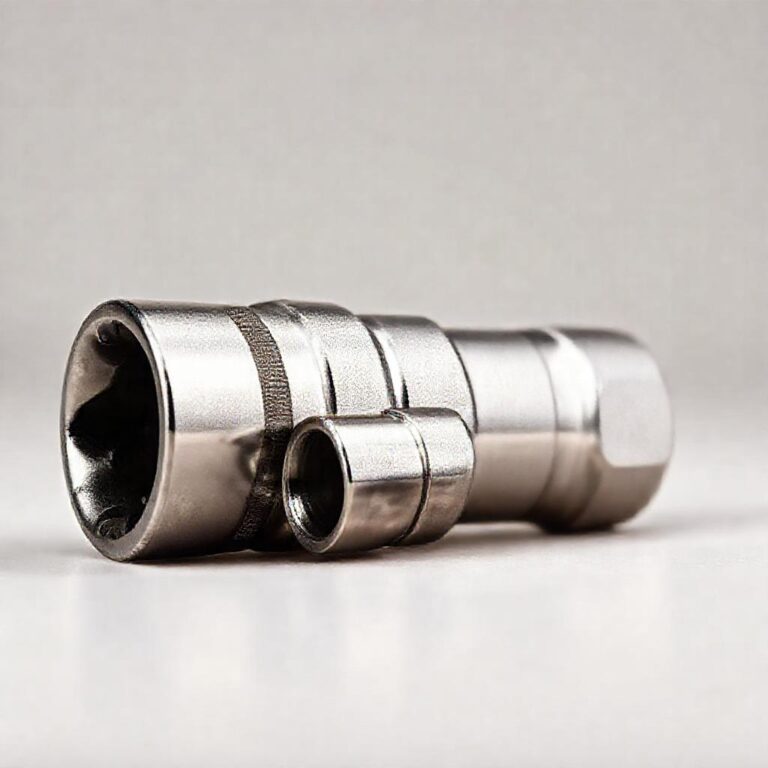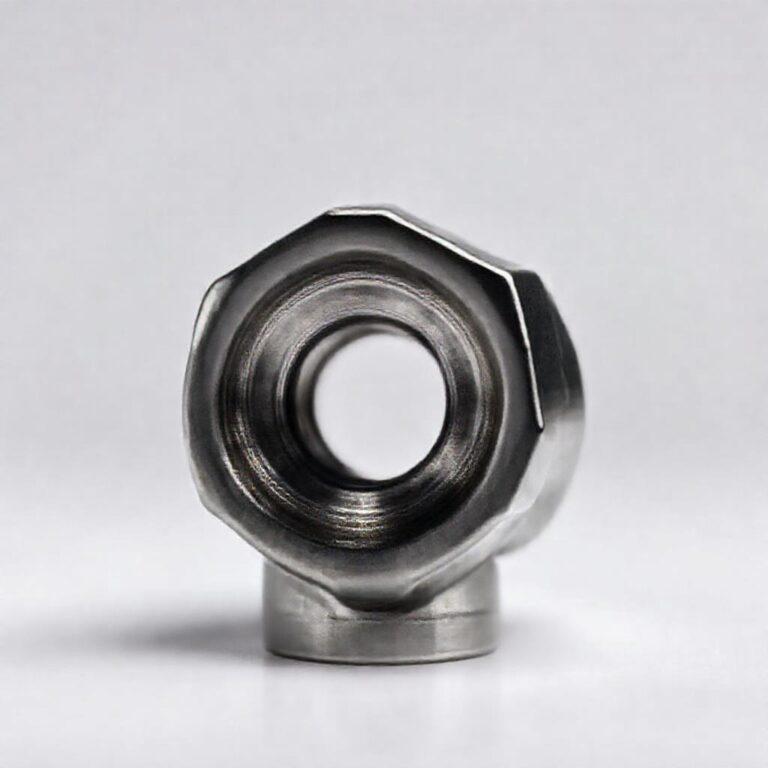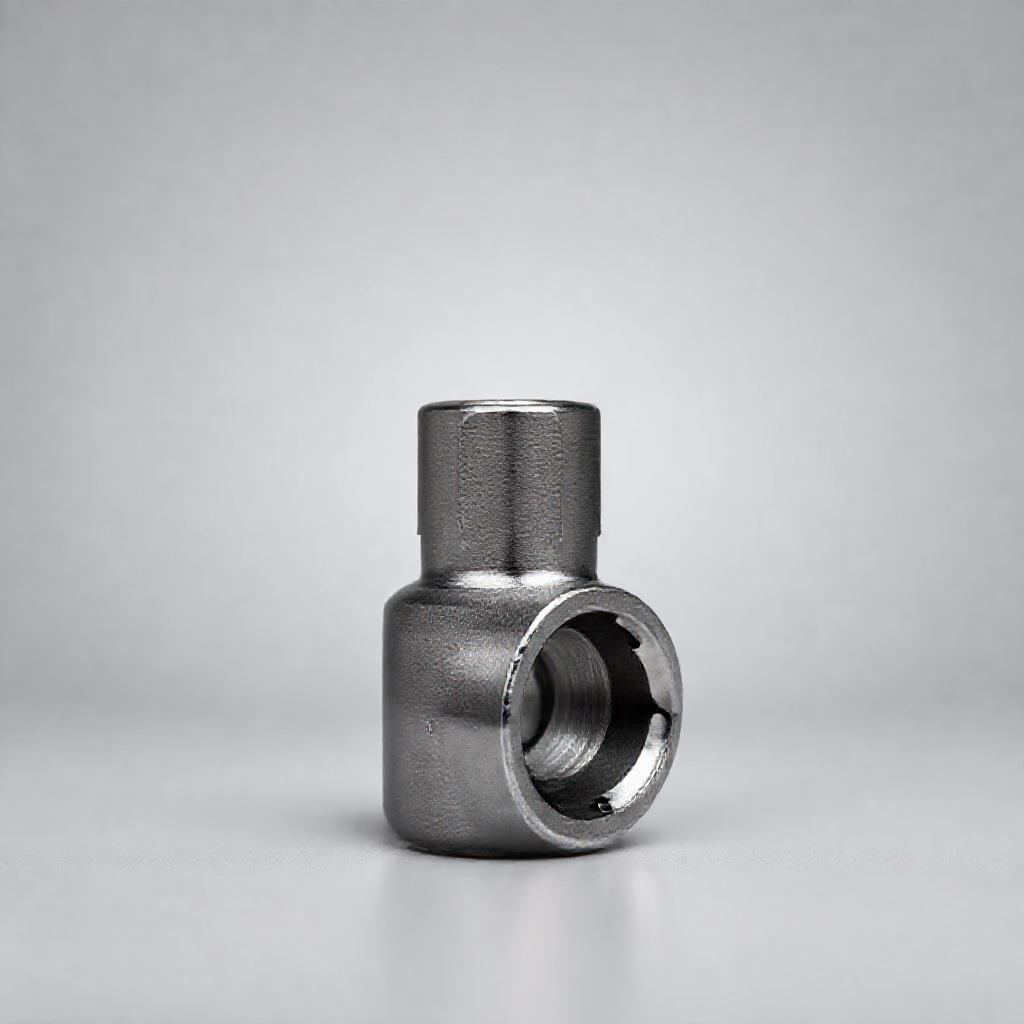
Universal Joint Socket 10mm
The universal joint socket, particularly the 10mm variant, is a crucial tool in various industries, including automotive, construction, and engineering. This tool’s versatility and ability to apply torque at an angle make it indispensable in applications requiring angled or dynamic operations. The importance of universal joint sockets cannot be overstated, as they provide a solution for scenarios where direct access is not possible. In this article, we will delve into the basics of universal joint sockets, their importance, and the specific focus on the 10mm size, exploring their applications, selection criteria, maintenance, and safety precautions.
Step-by-Step Process
Select Joint Type
Choose universal joint for 10mm socket.
Inspect Socket
Check for wear, damage, and cleanliness.
Apply Lubricant
Lubricate joint to ensure smooth operation.
Install Joint
Secure joint into socket with proper tools.
Test Movement
Verify joint moves freely and smoothly.
Process infographic for Universal Joint Socket 10mm
Introduction to Universal Joint Sockets
The universal joint socket is designed to allow for flexible movement and torque transmission, making it a vital component in many professional and DIY projects. Its ability to work at an angle and in tight spaces has made it a staple in many industries. The 10mm universal joint socket, in particular, offers a balance between precision and versatility, making it suitable for a wide range of applications.
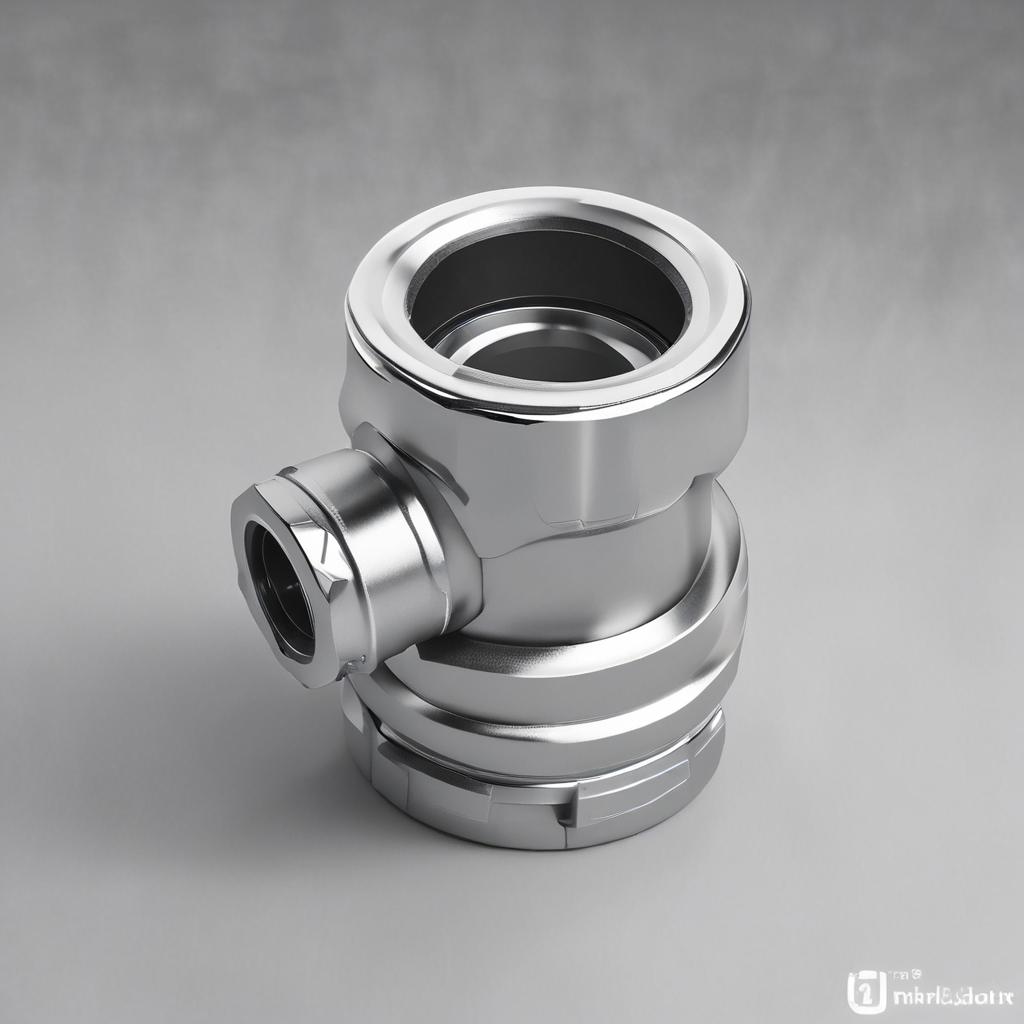
Understanding Universal Joint Sockets
What are Universal Joint Sockets?
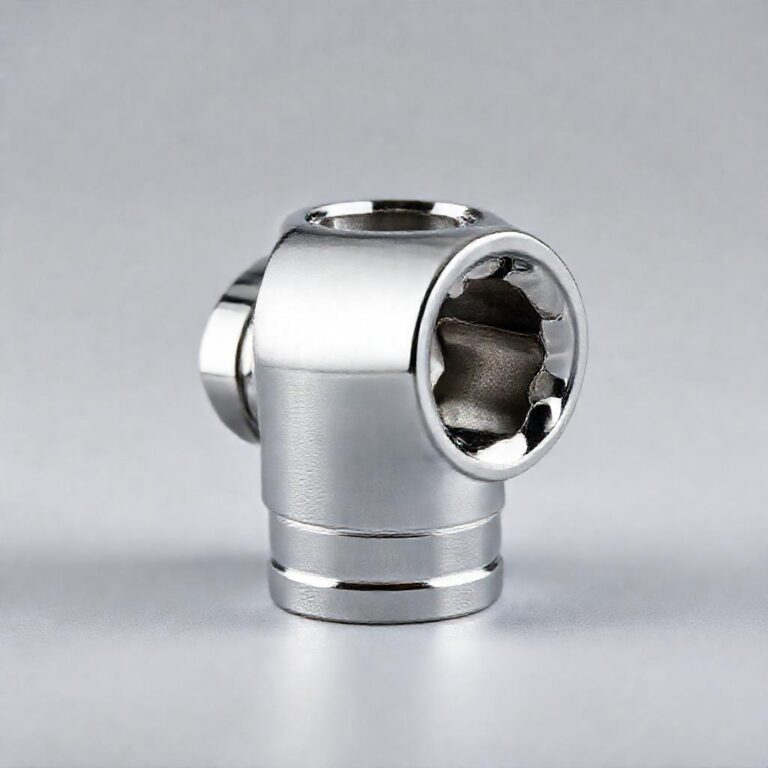
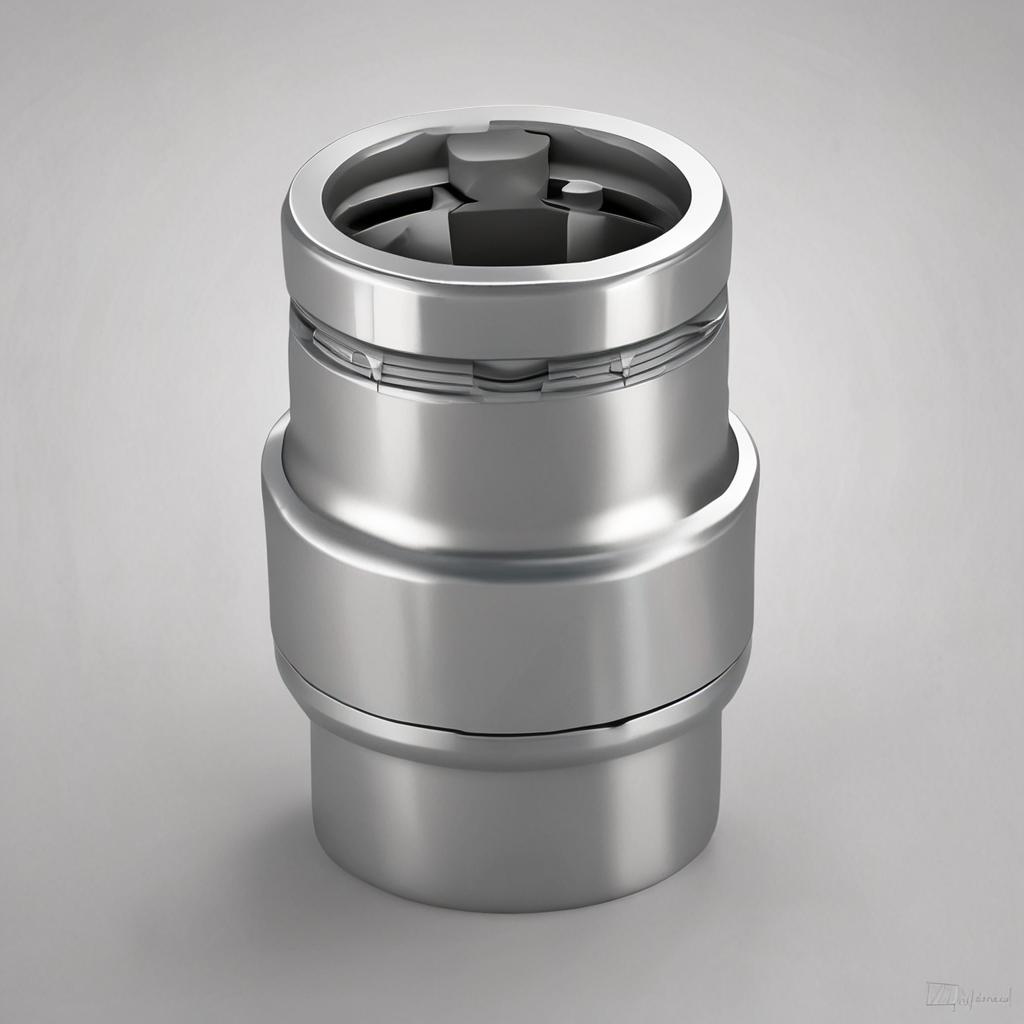
Universal joint sockets are tools that allow for the application of torque in situations where a standard socket cannot be used due to spatial constraints. They consist of a universal joint, a socket, and a drive shaft, enabling them to transmit torque through an angle. This flexibility makes them ideal for use in automotive repair, construction, and any scenario where access is limited.
Types of Universal Joint Sockets
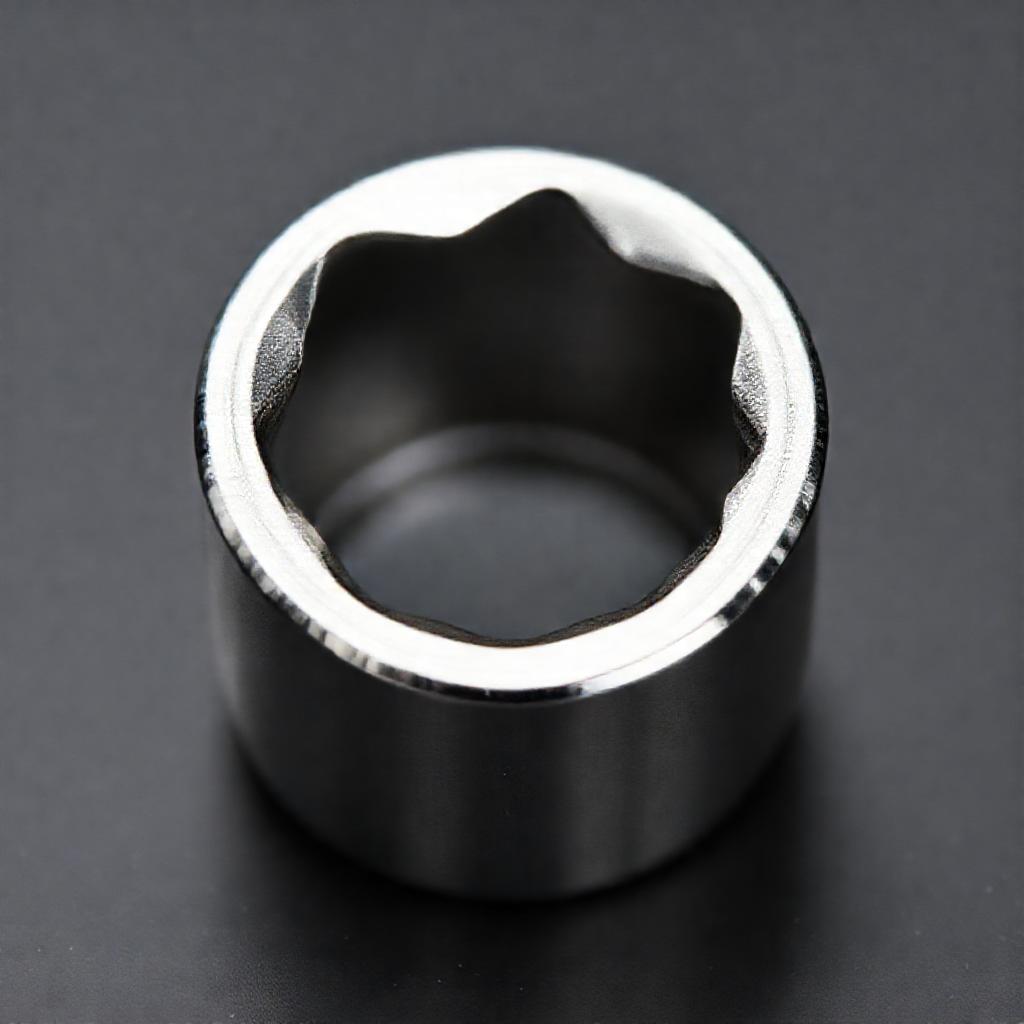
There are various types of universal joint sockets available, differing in size, material, and design. The size of the socket (e.g., 10mm) refers to the diameter of the bolt or nut it is designed to work with. Materials such as high-strength steel and chrome vanadium are commonly used for their durability and resistance to corrosion. Different industries may require specific types of universal joint sockets tailored to their unique needs and applications.
The 10mm Universal Joint Socket
Applications of 10mm Universal Joint Sockets
The 10mm universal joint socket is widely used in applications that require precision and the ability to work in confined spaces. It is particularly useful in automotive repair for reaching bolts in tight engine compartments, in construction for assembling and disassembling complex structures, and in engineering for precise adjustments and repairs. The advantages of using a 10mm universal joint socket include its accessibility, the range of tasks it can perform, and its precision in applying torque.
Choosing the Right 10mm Universal Joint Socket
When selecting a 10mm universal joint socket, several factors should be considered, including the material’s durability, the type of drive (e.g., square drive), and compatibility with existing tools and equipment. Ensuring that the socket is made from high-quality materials and is compatible with your tools can significantly extend its lifespan and improve its performance.
Maintenance and Safety
Care and Maintenance of Universal Joint Sockets
To extend the life of a 10mm universal joint socket, regular maintenance is crucial. This includes cleaning the socket after use to prevent corrosion, storing it in a dry place, and inspecting it regularly for signs of wear and damage. Proper care can significantly prolong the socket’s usability and ensure it remains a reliable tool in your arsenal.
Safety Precautions
Safety is paramount when using 10mm universal joint sockets. It is essential to handle the tool with care, ensuring the workpiece is securely positioned to avoid accidents. Moreover, precautions should be taken against over-torquing, which can damage the socket, the tool it is used with, or the workpiece itself. Always follow the manufacturer’s guidelines for safe use and maintenance.
Troubleshooting Common Issues
Identifying and Resolving Problems
Common issues with 10mm universal joint sockets include slipping, corrosion, or breakage. These problems can often be resolved by checking the socket’s condition, ensuring proper fit on the bolt or nut, and applying the appropriate amount of torque. Regular maintenance, as mentioned earlier, can prevent many of these issues from arising in the first place.
Conclusion
In conclusion, the 10mm universal joint socket is a versatile and indispensable tool in many industries. Its ability to apply torque at an angle, coupled with its precision and accessibility, makes it a valuable asset for any professional or DIY enthusiast. By understanding the basics of universal joint sockets, their applications, and how to properly select, maintain, and safely use them, individuals can maximize their utility and extend their lifespan. As tool technology continues to evolve, the importance of universal joint sockets will endure, making them a fundamental component in the toolkit of the future.
FAQ
Frequently asked questions about universal joint sockets provide additional insights into their use and benefits.
- What is the primary advantage of using a universal joint socket? – The primary advantage is the ability to apply torque at an angle, making it useful in tight spaces or when direct access is not possible.
- How do I choose the correct size of universal joint socket for my application? – The choice depends on the size of the bolt or nut you are working with, as well as the available space and the required torque.
- Can universal joint sockets be used with impact wrenches? – Yes, universal joint sockets can be used with impact wrenches, but it’s crucial to ensure the socket is rated for impact use to prevent damage.
- What materials are universal joint sockets typically made of? – They are typically made of high-strength steel or chrome vanadium for durability and resistance to wear and corrosion.
- Are universal joint sockets interchangeable between different tool brands? – Generally, yes, but it’s essential to check the drive size and type (e.g., 1/4″, 3/8″, 1/2″ square drive) to ensure compatibility between different brands and tools.