Spark Plug Socket with Universal Joint
Spark plugs are a crucial component of any vehicle’s engine, responsible for igniting the fuel-air mixture that powers the engine. Over time, spark plugs can wear out and need to be replaced, which is where a spark plug socket comes in. A spark plug socket is a specialized tool designed to remove and install spark plugs, and it’s essential to use the right socket to avoid damaging the spark plug or the engine threads. One type of spark plug socket that has gained popularity in recent years is the spark plug socket with a universal joint, which offers greater flexibility and accessibility when working with spark plugs.
Understanding Spark Plug Sockets
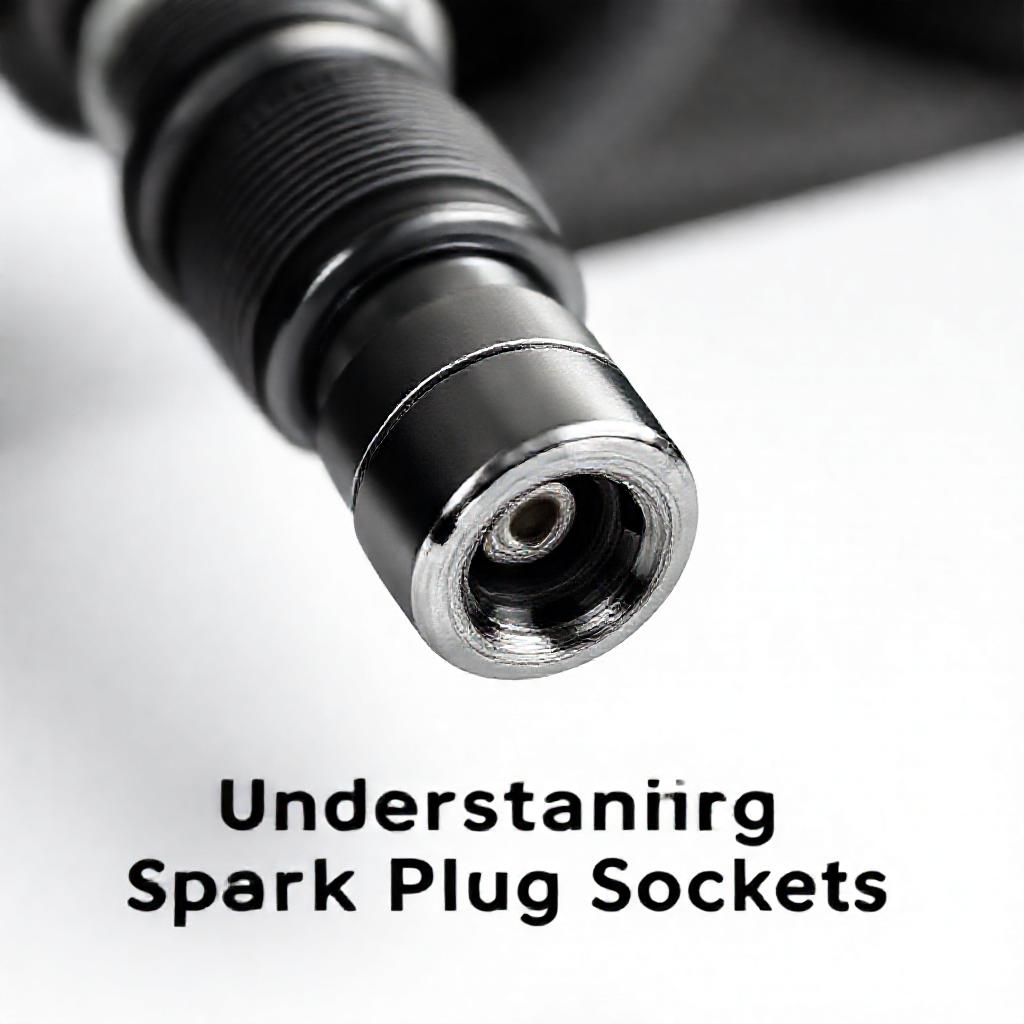
A spark plug socket is a tool used to remove and install spark plugs from an engine. It’s typically a deep socket that fits over the spark plug and is used with a ratchet or wrench to turn the spark plug. Spark plug sockets come in different sizes and types, and it’s essential to use the correct size and type for your specific spark plug.
What is a Spark Plug Socket?
A spark plug socket is a specialized socket designed to fit over a spark plug, allowing you to remove and install it easily. The socket is typically made of a durable material, such as chrome vanadium steel, and is designed to withstand the high torque required to remove and install spark plugs. Spark plug sockets come in different sizes, ranging from 14mm to 18mm, and are designed to fit specific types of spark plugs.
Importance of Using the Right Socket
Using the right spark plug socket is crucial to avoid damaging the spark plug or the engine threads. A socket that’s too small can slip off the spark plug and damage the threads, while a socket that’s too large can damage the spark plug itself. It’s essential to use a socket that fits snugly over the spark plug to ensure a secure fit and prevent damage.
Features of a Spark Plug Socket with Universal Joint
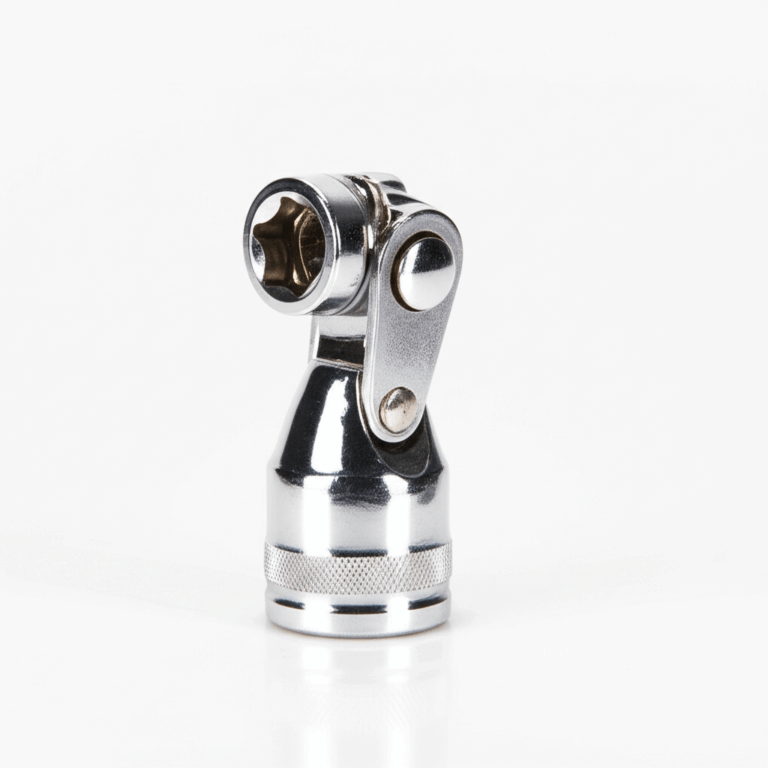
A spark plug socket with a universal joint is a specialized tool that offers greater flexibility and accessibility when working with spark plugs. The universal joint allows the socket to bend and flex, making it easier to reach spark plugs in tight spaces.
Universal Joint Mechanism
The universal joint mechanism is a flexible joint that allows the socket to bend and flex. This makes it easier to reach spark plugs in tight spaces, such as in engines with limited clearance. The universal joint also reduces the risk of damaging the spark plug or the engine threads, as it allows for more precise control over the socket.
Design and Material
Spark plug sockets with universal joints are typically made of durable materials, such as chrome vanadium steel, which provides strength and corrosion resistance. The socket is designed to withstand the high torque required to remove and install spark plugs, and the universal joint is designed to flex and bend without breaking.
Size and Compatibility
Spark plug sockets with universal joints come in a range of sizes, from 14mm to 18mm, and are designed to fit specific types of spark plugs. It’s essential to choose a socket that’s compatible with your spark plug type to ensure a secure fit and prevent damage.
Key Features
Universal Joint
Flexible neck for tight spaces
Available
Deep Socket Design
Reaches deep into engine compartments
Available
Magnetic Tip
Holds spark plugs securely during removal
Available
Ratcheting Mechanism
Effortless torque for tight fittings
Available
Durable Construction
Resists corrosion and wear
Available
Feature overview for Spark Plug Socket with Universal Joint
Benefits of Using a Spark Plug Socket with Universal Joint
Using a spark plug socket with a universal joint offers several benefits, including greater accessibility, reduced risk of damage, and time and effort savings.
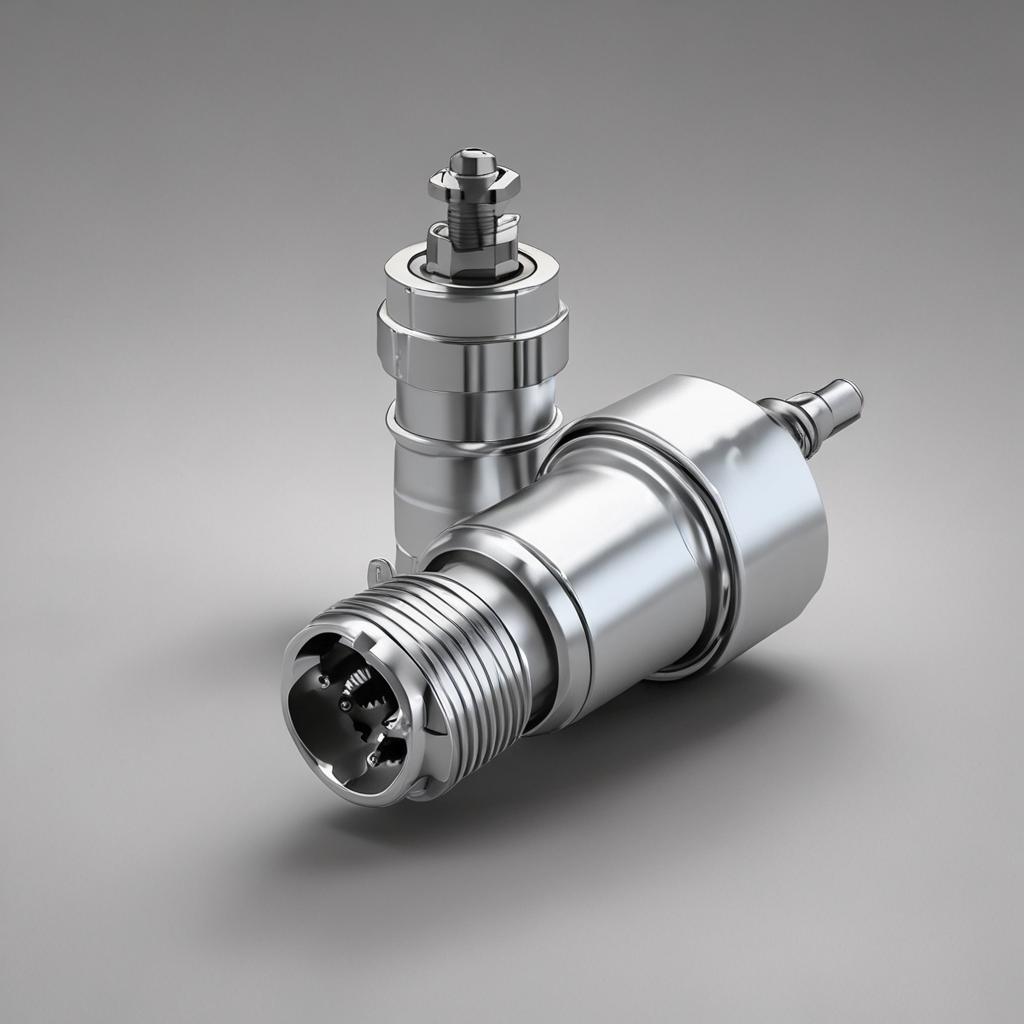
Accessibility in Tight Spaces
The universal joint allows the socket to bend and flex, making it easier to reach spark plugs in tight spaces. This is particularly useful in engines with limited clearance, where a standard socket may not fit.
Reduced Risk of Damage
The universal joint reduces the risk of damaging the spark plug or the engine threads, as it allows for more precise control over the socket. This makes it easier to remove and install spark plugs without causing damage.
Time and Effort Savings
Using a spark plug socket with a universal joint can save time and effort, as it makes it easier to remove and install spark plugs. The universal joint also reduces the need for additional tools, such as extensions and adapters.
How to Use a Spark Plug Socket with Universal Joint
Using a spark plug socket with a universal joint is relatively straightforward, but it’s essential to follow the correct procedure to avoid damaging the spark plug or the engine threads.
Preparation and Safety
Before using a spark plug socket with a universal joint, make sure you have the correct tools and materials, including a spark plug socket with a universal joint, a ratchet or wrench, and a torque wrench. It’s also essential to take safety precautions, such as disconnecting the battery and wearing protective gloves and eyewear.
Step-by-Step Guide
To use a spark plug socket with a universal joint, follow these steps: remove the old spark plug by turning it counterclockwise with the socket and ratchet or wrench, then install the new spark plug by turning it clockwise with the socket and ratchet or wrench. Make sure to tighten the spark plug to the correct torque using a torque wrench.
Tips and Tricks
When using a spark plug socket with a universal joint, it’s essential to use a torque wrench to ensure the spark plug is tightened to the correct torque. It’s also a good idea to apply a small amount of anti-seize compound to the spark plug threads to prevent corrosion.
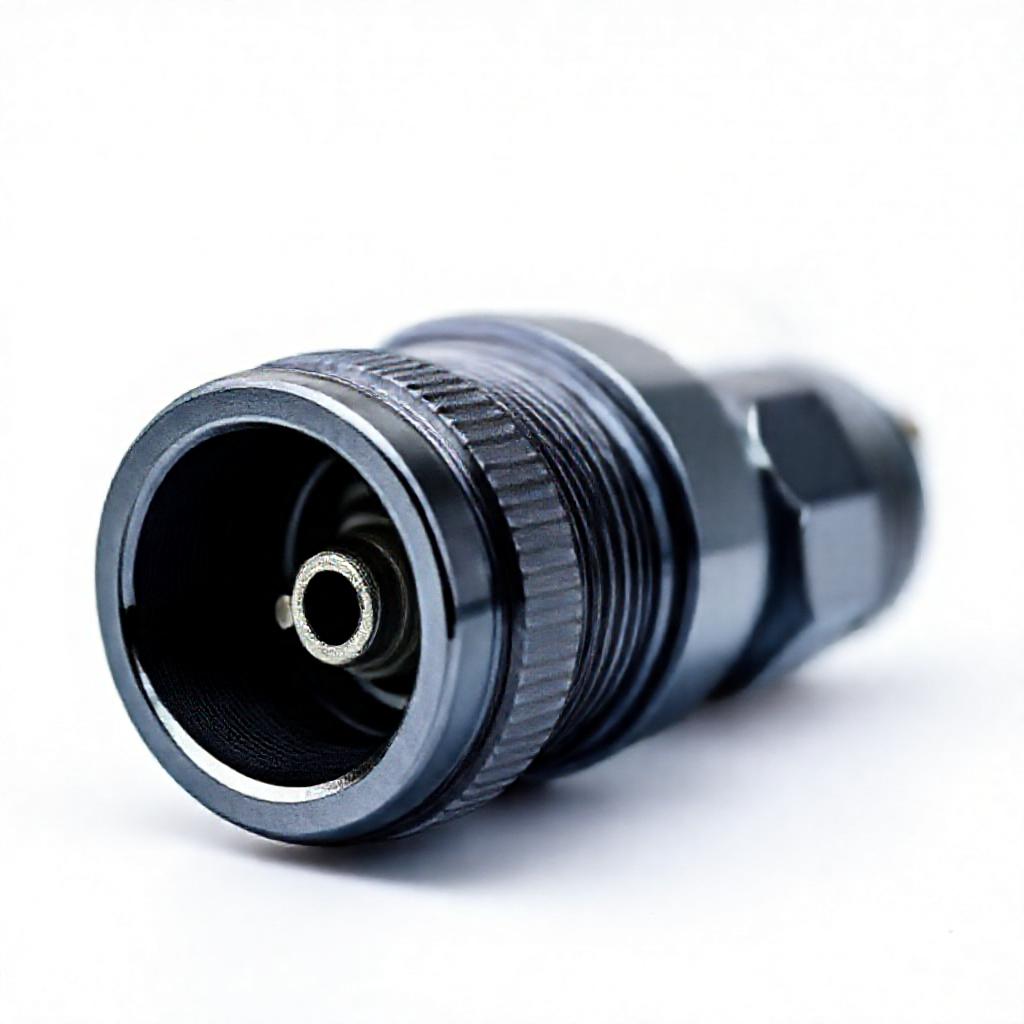
Choosing the Right Spark Plug Socket with Universal Joint
Choosing the right spark plug socket with a universal joint depends on several factors, including the size and type of spark plug, the brand and quality of the socket, and the price and value for money.
Factors to Consider
When choosing a spark plug socket with a universal joint, consider the size and type of spark plug, as well as the brand and quality of the socket. It’s also essential to read reviews and compare prices to ensure you’re getting the best value for money.
Top Brands and Models
Some top brands and models of spark plug sockets with universal joints include OTC, Craftsman, and Snap-on. These brands offer high-quality sockets with durable materials and precise engineering, making them ideal for professional mechanics and DIY enthusiasts alike.
Maintenance and Care
To keep your spark plug socket with a universal joint in good working condition, it’s essential to clean and inspect it regularly.
Cleaning and Inspection
Regularly clean the spark plug socket with a universal joint to prevent rust and corrosion. Inspect the socket for wear and damage, and replace it if necessary.
Storage Tips
Store the spark plug socket with a universal joint in a dry, secure location, such as a toolbox or storage bin. Make sure to organize the socket with other automotive tools to keep it easily accessible.
Frequently Asked Questions (FAQ)
Here are some frequently asked questions about spark plug sockets with universal joints:
- Q1: What is the main advantage of a spark plug socket with a universal joint? The main advantage is the ability to reach spark plugs in tight and difficult-to-access areas, making the job easier and faster.
In conclusion, a spark plug socket with a universal joint is a valuable tool for any mechanic or DIY enthusiast. Its ability to reach spark plugs in tight spaces, combined with its durability and precision engineering, make it an essential tool for anyone working with spark plugs. By following the tips and guidelines outlined in this article, you can ensure that your spark plug socket with a universal joint remains in good working condition and provides you with years of reliable service. Whether you’re a professional mechanic or a DIY enthusiast, a spark plug socket with a universal joint is a worthwhile investment for anyone looking to make spark plug maintenance easier and more efficient.