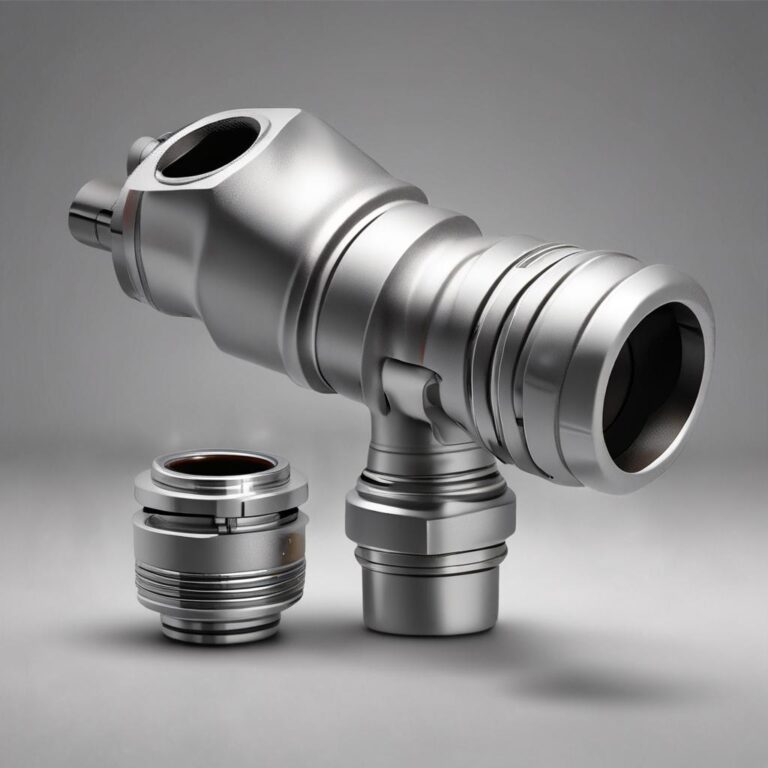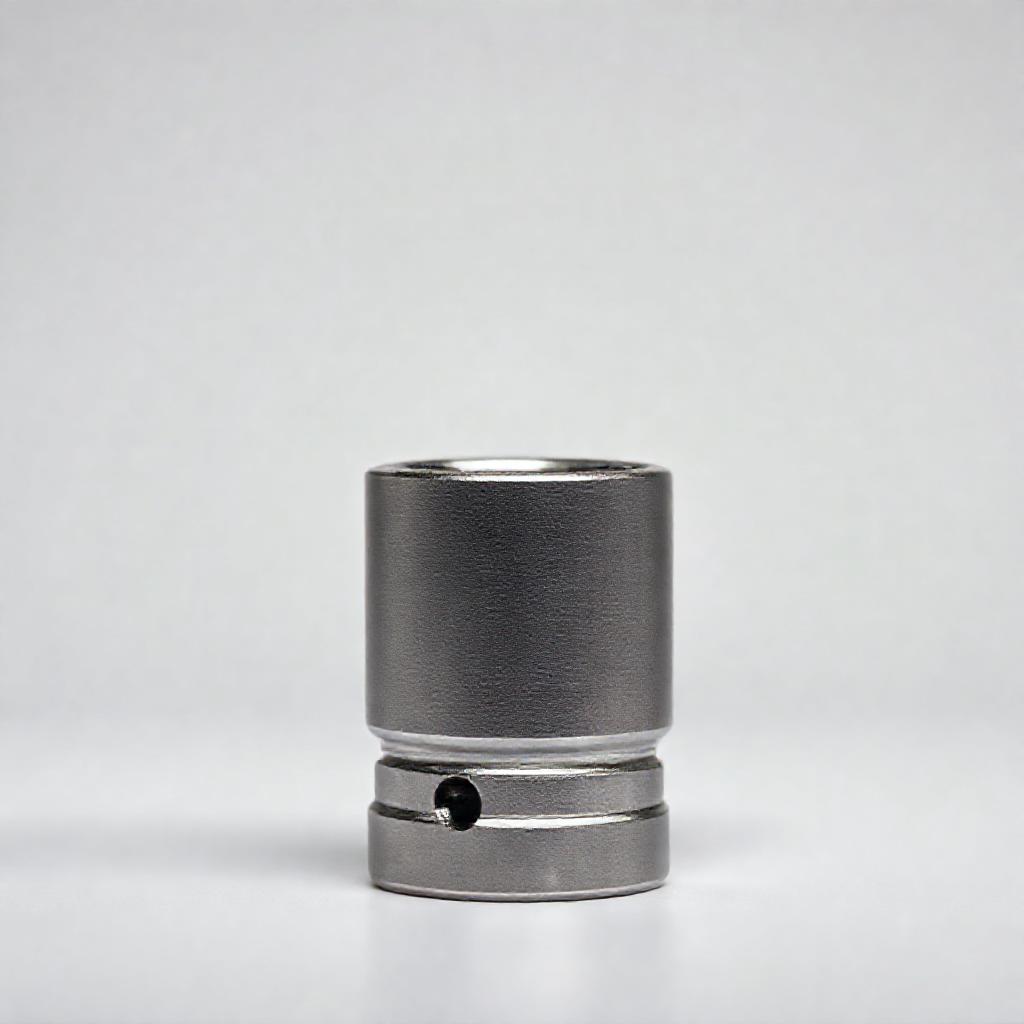
Socket with Universal Joint
When it comes to tools that offer both flexibility and precision, the combination of a socket with a universal joint stands out. These versatile tools are essential in various industries, from automotive repair to construction, providing mechanics and professionals with the means to tackle challenging tasks with ease. In this article, we will delve into the world of sockets with universal joints, exploring their types, applications, and maintenance to help you make the most of these powerful tools.
Step-by-Step Process
Select Socket Size
Choose the correct socket for the nut or bolt.
Attach Universal Joint
Connect the universal joint to the socket.
Fit Ratchet Handle
Secure the ratchet handle to the joint.
Position Tool
Align the socket with the fastener.
Apply Torque
Turn the ratchet to tighten or loosen.
Process infographic for Socket with Universal Joint
Introduction
Overview of Socket and Universal Joint
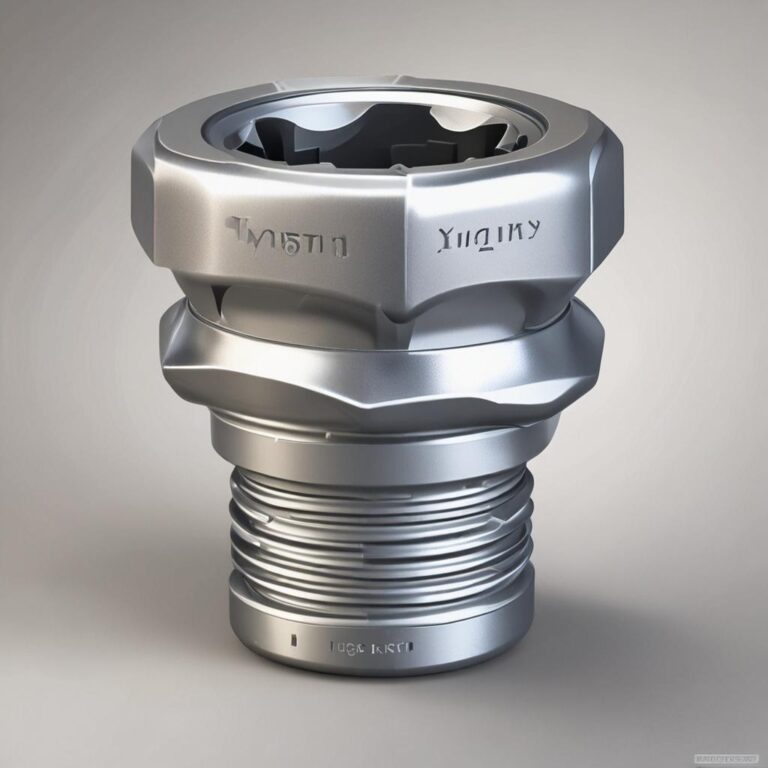
A socket is a tool used to turn nuts and bolts, typically with a ratchet or wrench. It is designed to fit over the head of a fastener, allowing for precise and efficient tightening or loosening. A universal joint, on the other hand, is a flexible coupling that allows rotational motion between two shafts at an angle to each other. Together, a socket with a universal joint can access hard-to-reach areas and work at angles, making it an indispensable tool in many industries.
The importance of sockets with universal joints cannot be overstated. They are crucial in automotive repair, machinery maintenance, and construction, where tight spaces and awkward angles are common. This article aims to provide a comprehensive understanding of these tools, their types, applications, and maintenance, to help you choose and use them effectively.
What is a Socket?
Definition and Basic Function
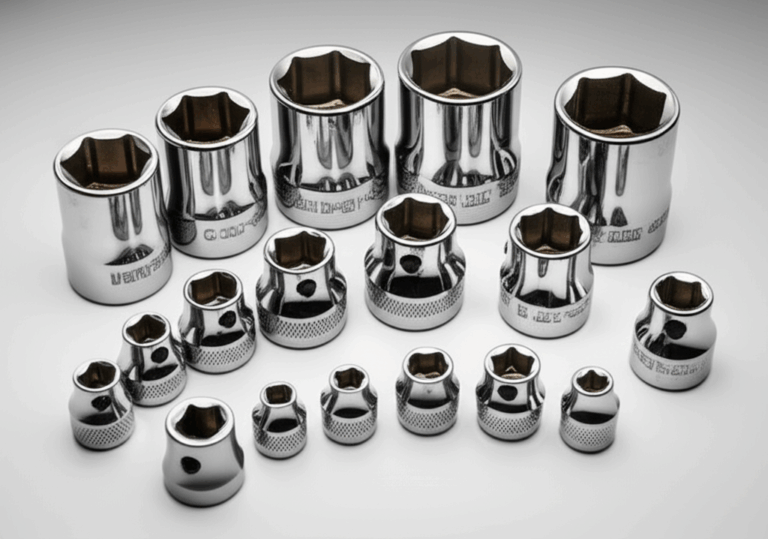
A socket is a cylindrical tool with a hexagonal or square opening on one end designed to fit over the head of a fastener. The other end is usually designed to be attached to a ratchet, wrench, or other driving tool. Sockets are essential for tightening or loosening nuts and bolts, offering a more secure and precise grip compared to a wrench.
Types of Sockets
- Deep Sockets: These sockets are longer and are used for reaching deep into narrow spaces, such as when working on spark plugs or bolts in tight engine compartments.
What is a Universal Joint?
Definition and Basic Function
A universal joint, also known as a U-joint, is a flexible coupling that allows rotational motion between two shafts at an angle to each other. It is commonly used in drive shafts, steering systems, and other mechanical applications where flexibility and smooth transmission of rotational motion are required. Universal joints can accommodate a range of angles, making them highly versatile.
Types of Universal Joints
- Hooke’s Joint: This type of universal joint consists of a pair of yokes and a cross-shaped spider. It is commonly used in automotive drive shafts and can handle a wide range of angles.
Socket with Universal Joint: An Overview
Combination and Function
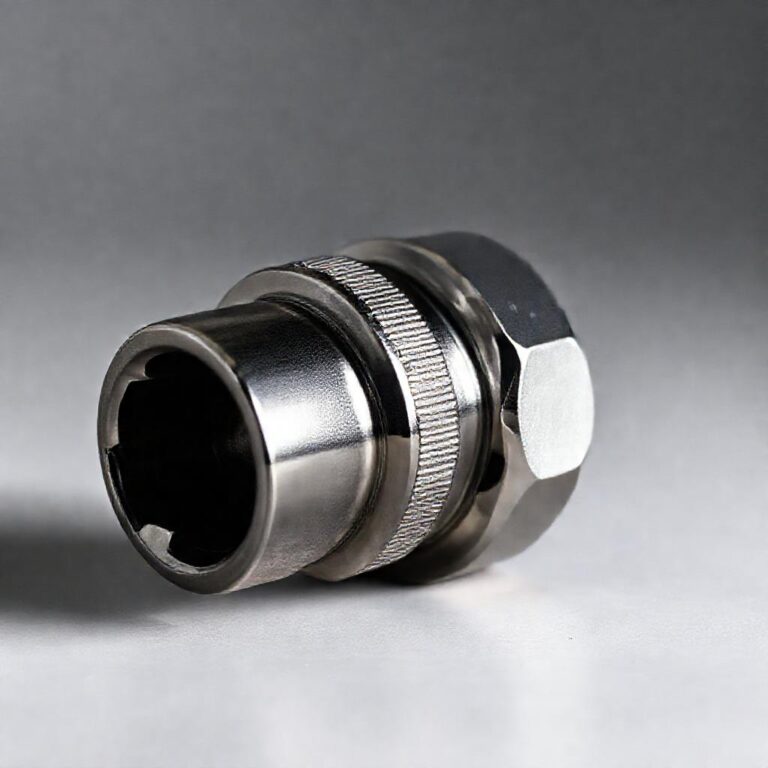
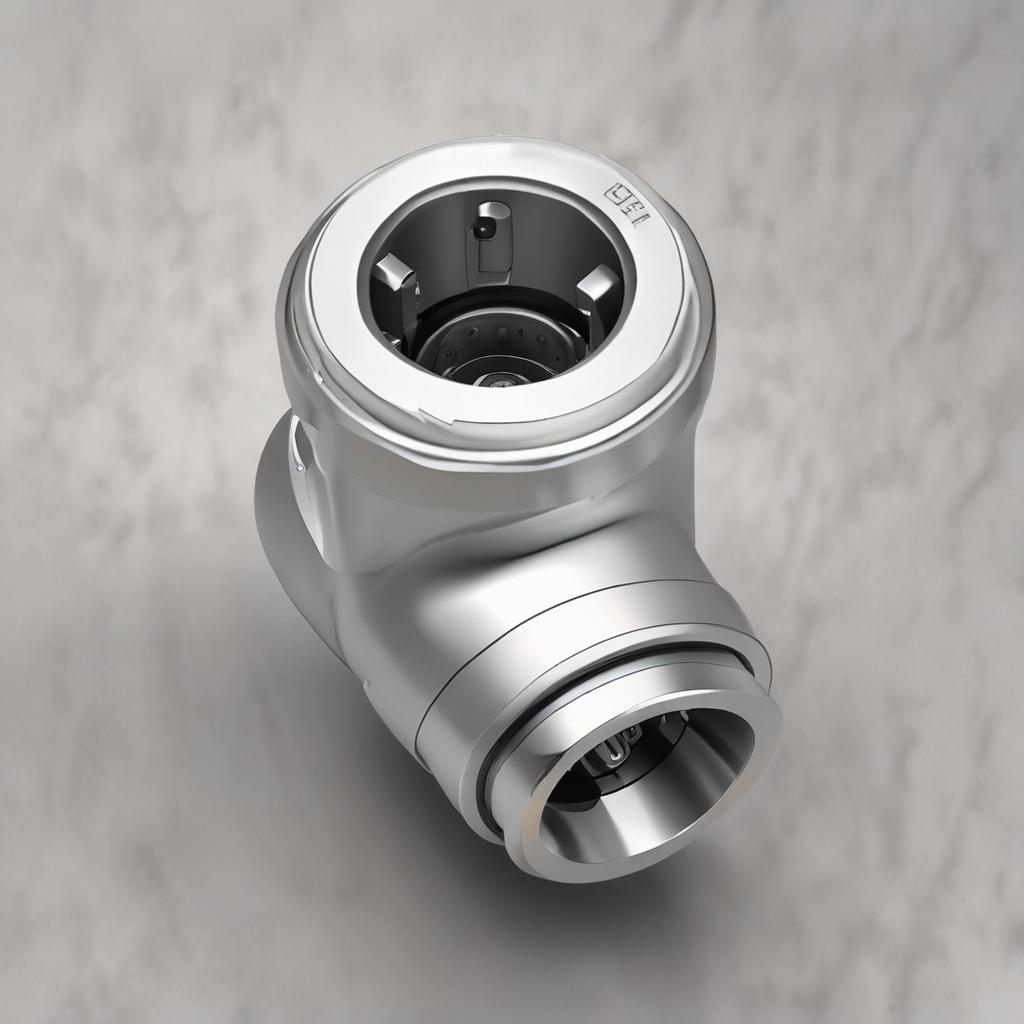
When a socket is combined with a universal joint, it becomes a powerful tool capable of accessing and working in tight and awkward spaces. The universal joint allows the socket to be positioned at an angle, providing greater flexibility and accessibility. This combination is particularly useful in automotive repair, where bolts and nuts are often located in hard-to-reach areas.
The benefits of using a socket with a universal joint include increased flexibility, better access to tight spaces, and the ability to work at angles that would otherwise be impossible with a standard socket. This makes the tool ideal for a wide range of tasks, from engine repairs to machinery maintenance.
Common Applications
Sockets with universal joints are widely used in various industries, including:
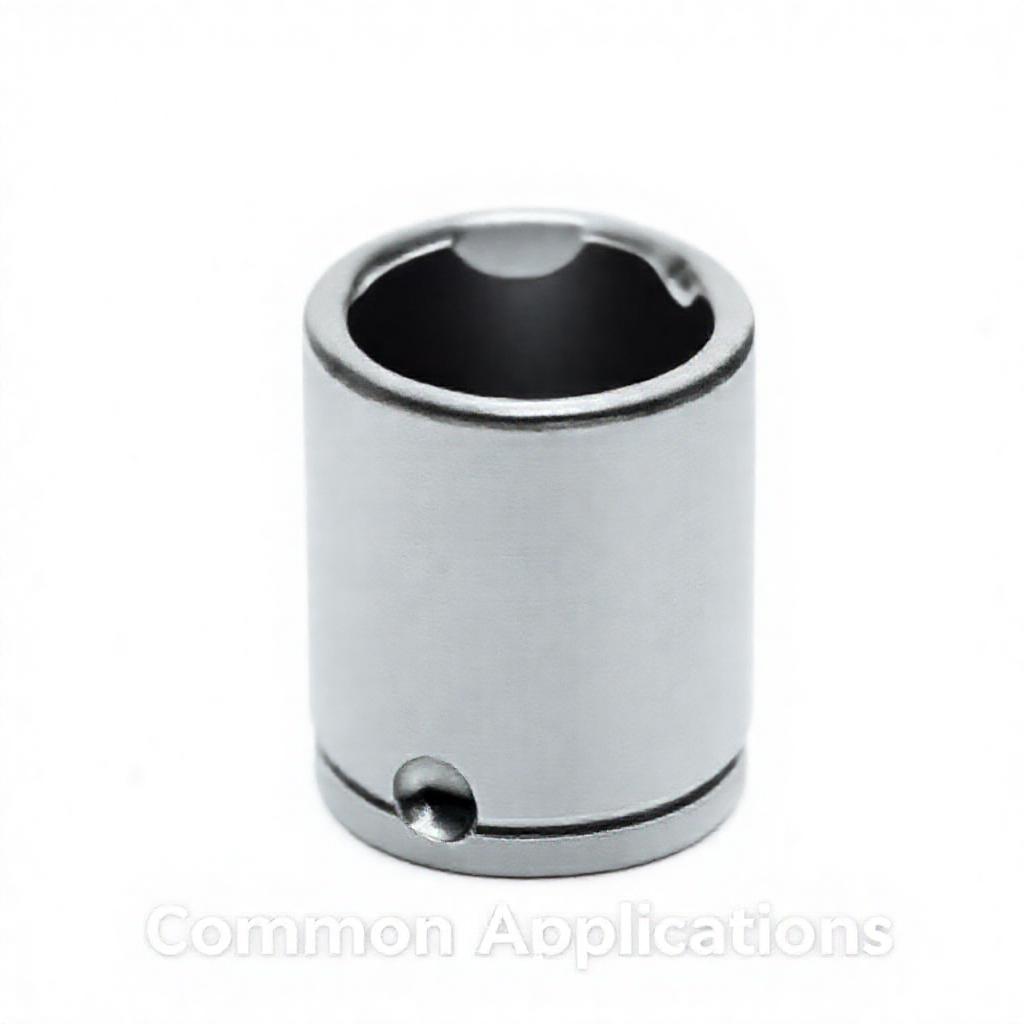
- Automotive: For tasks such as changing spark plugs, tightening or loosening bolts in engine compartments, and working on suspension components.
Types of Sockets with Universal Joints
Impact Sockets with Universal Joints
Impact sockets with universal joints are designed for heavy-duty applications where high torque is required. They are typically made from high-strength materials and are used with impact drivers to tighten or loosen bolts and nuts in challenging conditions. These sockets are ideal for automotive and industrial applications where durability and strength are crucial.
Deep Sockets with Universal Joints
Deep sockets with universal joints are used for reaching deep into narrow spaces, such as when working on spark plugs or bolts in tight engine compartments. The universal joint allows the socket to be positioned at an angle, providing better access and making the task easier and more efficient. These sockets are commonly used in automotive and machinery maintenance.
Specialty Sockets with Universal Joints
Specialty sockets with universal joints are designed for specific tasks and applications. For example, spark plug sockets with universal joints have a rubber insert to hold spark plugs securely during installation or removal. Long-reach sockets with universal joints are used for working in extremely tight spaces. These specialty sockets are essential for tasks that require precision and flexibility.
How to Use a Socket with Universal Joint
Preparation and Safety
Before using a socket with a universal joint, it is essential to follow safety guidelines and prepare the tool properly. Wear appropriate personal protective equipment (PPE), such as safety glasses and gloves. Ensure that the universal joint is securely attached to the socket and the ratchet or driving tool. Avoid excessive force that could cause the tool to slip or break.
Step-by-Step Guide
- Identify the fastener you need to work on and select the appropriate socket and universal joint.
- Attach the universal joint to the socket and ensure it is securely fastened.
- Attach the socket with the universal joint to the ratchet or driving tool.
- Position the socket over the fastener, using the universal joint to angle the socket as needed.
- Turn the ratchet or driving tool to tighten or loosen the fastener.
Common Mistakes to Avoid
- Using the wrong size socket: Always use the correct size socket for the fastener to avoid damage and ensure a secure fit.
Maintenance and Care
Cleaning and Storage
Proper cleaning and storage are essential to extend the life of your socket with a universal joint. After use, clean the socket and universal joint with a cloth or brush to remove any dirt, grease, or debris. Store the tools in a dry, clean place, preferably in a tool box or on a pegboard. Regular cleaning and proper storage will help prevent rust and corrosion.
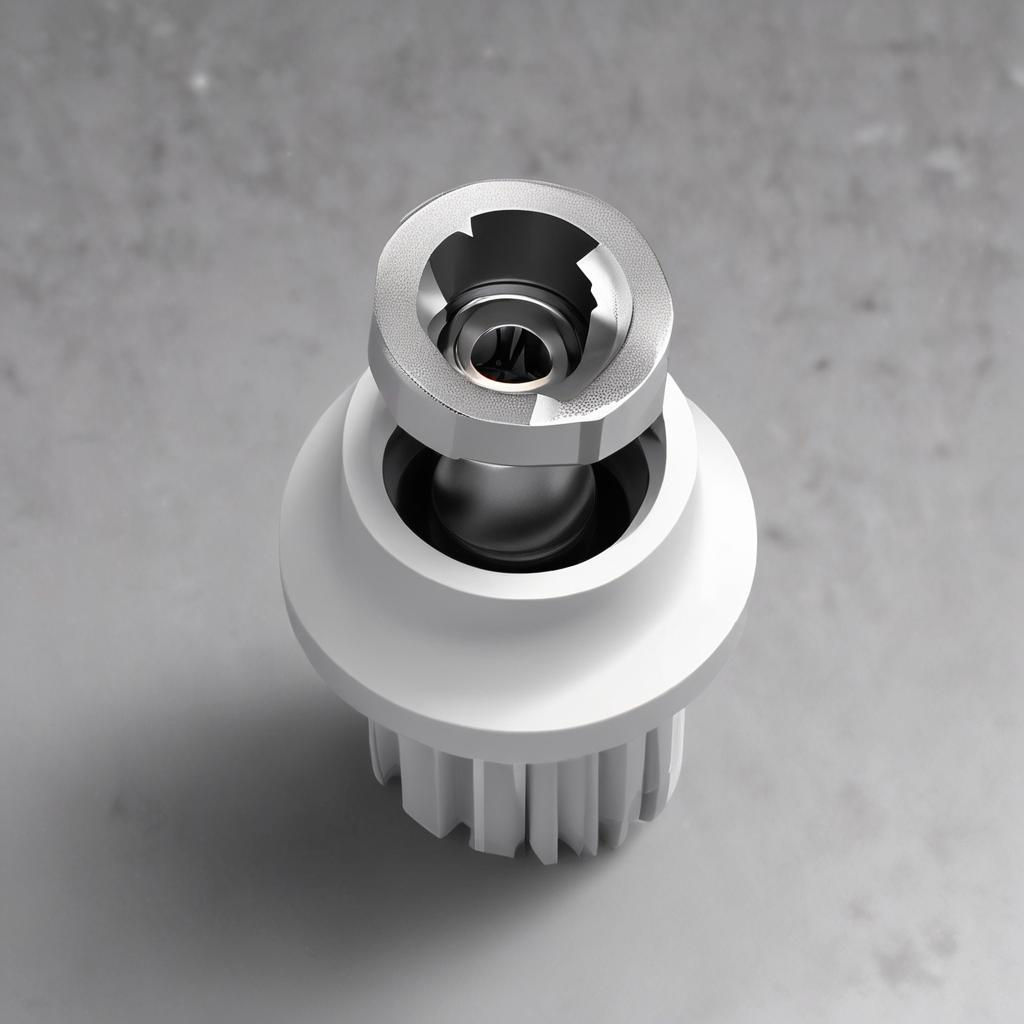
Inspection and Replacement
Regularly inspect your socket and universal joint for signs of wear and tear, such as cracks, stripped threads, or loose connections. If you notice any damage, replace the tool immediately to avoid accidents or further damage. It is also a good idea to replace the socket and universal joint periodically, especially if they are used frequently in heavy-duty applications.
Advantages and Disadvantages
Advantages
- Increased flexibility: The universal joint allows the socket to work at angles, providing greater flexibility and access to tight spaces.
Disadvantages
- Potential for increased wear and tear: The added flexibility of the universal joint can lead to increased wear and tear on the tool.
Conclusion
In summary, sockets with universal joints are powerful and versatile tools that offer increased flexibility and access to tight spaces. They are essential in various industries, from automotive repair to construction, and can make challenging tasks easier and more efficient. By understanding the types of sockets and universal joints available, how to use them correctly, and how to maintain them, you can ensure that these tools remain in top condition and serve you well for years to come.
Choosing the right socket with a universal joint for specific tasks is crucial for achieving the best results. Whether you are a professional mechanic or a DIY enthusiast, exploring and trying different types of sockets and universal joints can help you tackle a wide range of projects with confidence and precision.
FAQ
What is the main function of a universal joint in a socket set?
The main function of a universal joint in a socket set is to allow the socket to work at angles, providing greater flexibility and access to tight spaces.
Can I use a standard socket with a universal joint?
Yes, you can use a standard socket with a universal joint, but impact sockets are generally recommended for heavy-duty applications to ensure durability and safety.
How do I know when to replace a socket with a universal joint?
Look for signs of wear, such as cracks, stripped threads, or loose connections. If you notice any damage, replace the tool immediately to avoid accidents or further damage.
Are universal joints compatible with all types of sockets?
Most universal joints are designed to be compatible with a wide range of socket sizes, but it’s important to check the specifications to ensure compatibility.
What safety precautions should I take when using a socket with a universal joint?
Wear appropriate personal protective equipment (PPE), ensure the joint is securely attached, and avoid excessive force that could cause the tool to slip or break.