And 1/2-inch Sockets
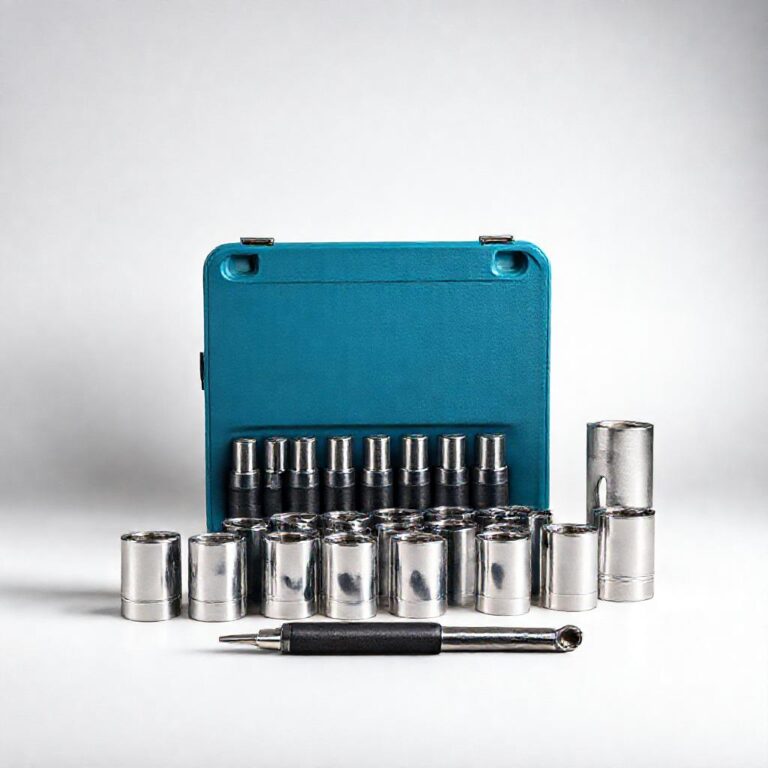
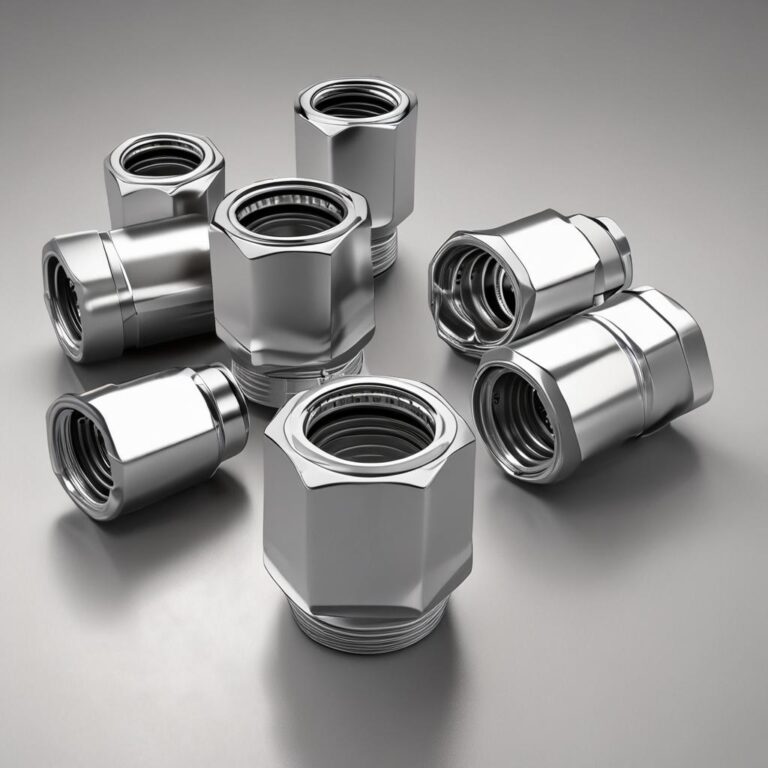
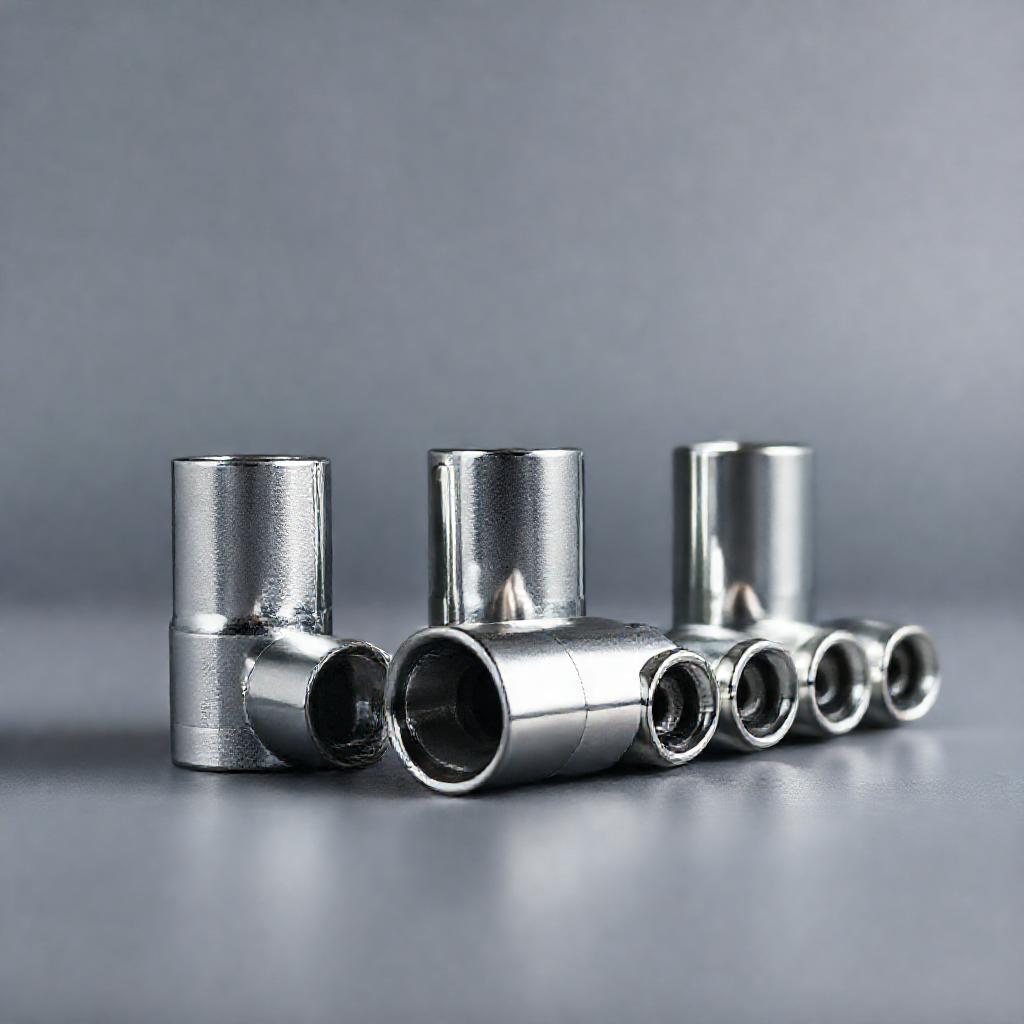
Socket sets are an essential tool for various industries and DIY projects, offering versatility and convenience. Among the different socket sizes available, 1/2-inch sockets stand out for their widespread application and effectiveness in handling a range of tasks. This post aims to delve into the world of 1/2-inch sockets, exploring their definitions, types, applications, and the factors to consider when choosing the right ones. By understanding the nuances of 1/2-inch sockets, individuals can make informed decisions and enhance their work efficiency.
Step-by-Step Process
Select Socket
Choose 1/2-inch socket
Attach Ratchet
Secure to ratchet handle
Tighten Bolt
Tighten bolt securely
Check Torque
Verify torque specs
Finish Job
Job complete, inspect work
Process infographic for And 1/2-inch Sockets
Introduction to 1/2-Inch Sockets
Overview of Socket Sets
Socket sets are indispensable in automotive, industrial, and construction sectors, as well as in DIY projects. The 1/2-inch socket, in particular, has become a staple due to its balance between size and versatility. Whether for professional use or personal projects, having the right socket set can significantly impact the outcome of a task. The purpose of this post is to provide a comprehensive overview of 1/2-inch sockets, covering their applications, types, and selection criteria.
Understanding 1/2-Inch Sockets
Definition and Specifications
A 1/2-inch socket refers to a socket with a 1/2-inch drive size, which is larger than 1/4-inch and 3/8-inch sockets but smaller than 3/4-inch and 1-inch sockets. This size is particularly useful for applications that require a moderate amount of torque. The difference between 1/2-inch and other socket sizes lies in their drive size and the tasks they are designed to handle. For instance, 1/4-inch sockets are ideal for small engines and precision work, while 3/8-inch sockets are suited for lighter automotive repairs.
Types of 1/2-Inch Sockets
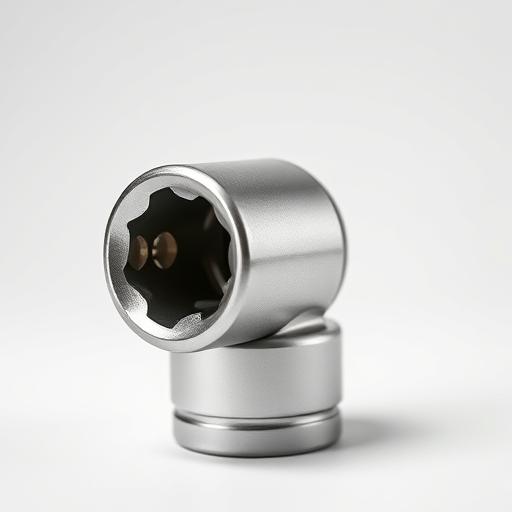
There are several types of 1/2-inch sockets, each designed for specific tasks. Impact sockets are made for use with impact wrenches and are ideal for heavy-duty applications. Deep sockets are longer and used for bolts and nuts in hard-to-reach areas. Spark plug sockets are designed specifically for removing and installing spark plugs in vehicles. Understanding the types of 1/2-inch sockets available can help in selecting the right tool for the job.
Applications of 1/2-Inch Sockets
Automotive Repairs
1/2-inch sockets are widely used in automotive repairs for tasks such as changing brakes, performing suspension work, and engine repairs. Many vehicles, especially trucks and larger cars, require 1/2-inch sockets for various maintenance and repair tasks. For example, when working on a vehicle’s suspension system, a 1/2-inch socket may be necessary for loosening bolts and nuts.
Industrial and Construction Uses
In industrial and construction settings, 1/2-inch sockets are used for machinery maintenance, equipment assembly, and building construction. They are essential for tasks that require a moderate to high amount of torque, such as tightening bolts on heavy machinery or constructing frameworks. The versatility and strength of 1/2-inch sockets make them a valuable tool in these industries.
Choosing the Right 1/2-Inch Sockets
Factors to Consider
When selecting 1/2-inch sockets, several factors should be considered, including the material, finish, and brand reputation. The material of the socket can affect its durability and resistance to corrosion, with chrome vanadium being a popular choice for heavy-duty use. The finish of the socket can also impact its performance, with chrome-plated sockets offering resistance to rust. Brand reputation is crucial, as it often reflects the quality and reliability of the sockets.
Brands and Quality
Different brands offer varying levels of quality and price ranges for 1/2-inch sockets. High-quality sockets are more durable and less likely to round off bolts, but they come at a higher cost. Brands like Snap-on and Mac Tools are known for their high-quality sockets, while more affordable options like Craftsman and Stanley are also available. Investing in high-quality sockets can be beneficial in the long run, as they reduce the risk of damage to bolts and the socket itself.
Using and Maintaining 1/2-Inch Sockets
Safety Precautions
When using 1/2-inch sockets, it’s essential to take safety precautions to avoid accidents. Wearing protective gear, such as gloves and safety glasses, is crucial. Ensuring proper tool storage is also important to prevent damage to the sockets and reduce the risk of tripping hazards. Always follow the manufacturer’s instructions for the specific tool being used.
Maintenance Tips
Maintaining 1/2-inch sockets is vital for their longevity and performance. Cleaning the sockets after each use can prevent rust and ensure smooth operation. Lubricating the sockets occasionally can also help reduce friction. Organizing the sockets in a designated storage case can make them easier to find and reduce the risk of loss.
Conclusion
In conclusion, 1/2-inch sockets are a fundamental component of any socket set, offering versatility and effectiveness in a wide range of applications. Understanding the different types of 1/2-inch sockets, their applications, and how to choose the right ones can significantly enhance work efficiency. Whether for professional or personal use, investing in high-quality 1/2-inch sockets can provide long-term benefits. By following the guidelines and tips outlined in this post, individuals can make informed decisions and get the most out of their 1/2-inch sockets.
Frequently Asked Questions
Q: What is the most common use for 1/2-inch sockets?
A: 1/2-inch sockets are commonly used in automotive repairs, particularly for tasks that require a moderate amount of torque.
Q: How do I choose the right material for my 1/2-inch sockets?
A: Consider the environment and application; for example, chrome vanadium sockets are durable and resistant to corrosion, making them suitable for heavy-duty use.
Q: Can I use 1/2-inch impact sockets with a manual ratchet?
A: No, impact sockets are designed for use with impact wrenches and should not be used with manual ratchets, as they may not withstand the high torque output.
Q: How often should I clean and maintain my 1/2-inch sockets?
A: Regularly clean and maintain your 1/2-inch sockets after each use to prevent rust and ensure smooth operation.