1 4 Inch Universal Joint Socket
The 1/4 inch universal joint socket is a versatile tool that has become indispensable in the toolkit of many DIYers, mechanics, and professionals. Its ability to access hard-to-reach fasteners makes it a must-have for any project that involves working in tight spaces. Whether you’re a seasoned mechanic or a beginner, understanding how to use and choose the right 1/4 inch universal joint socket can significantly improve your productivity and the quality of your work. This comprehensive guide is designed to provide you with all the information you need to master the use of this essential tool, covering its definition, key features, benefits, selection criteria, usage, maintenance, and troubleshooting.
Step-by-Step Process
Select Socket
Choose 1/4 inch universal joint socket.
Inspect Socket
Check for wear and damage.
Prepare Tool
Attach socket to ratchet or wrench.
Position Socket
Align socket with universal joint.
Apply Torque
Turn ratchet to tighten or loosen joint.
Process infographic for 1 4 Inch Universal Joint Socket
What is a 1/4 Inch Universal Joint Socket?
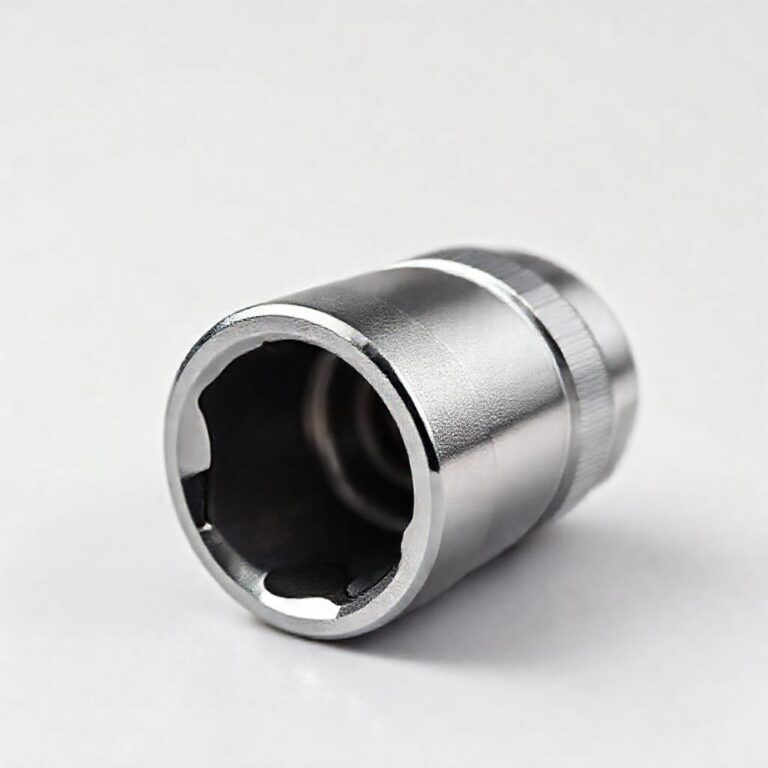
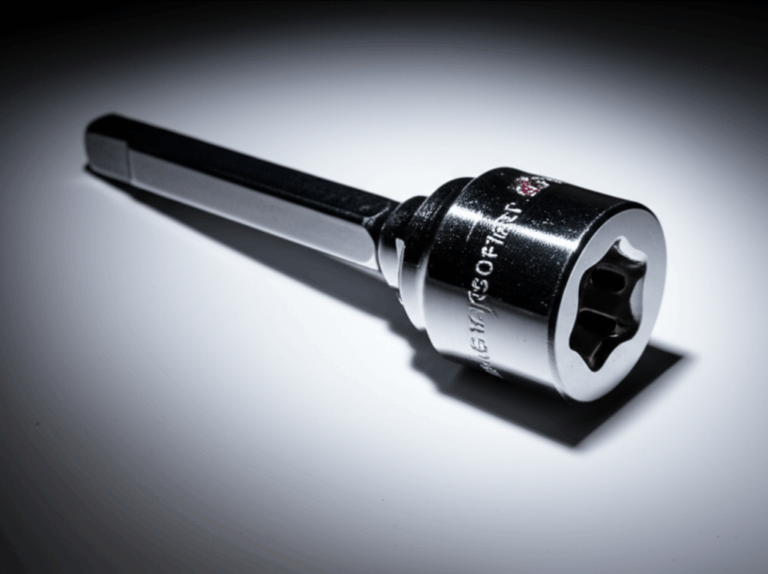
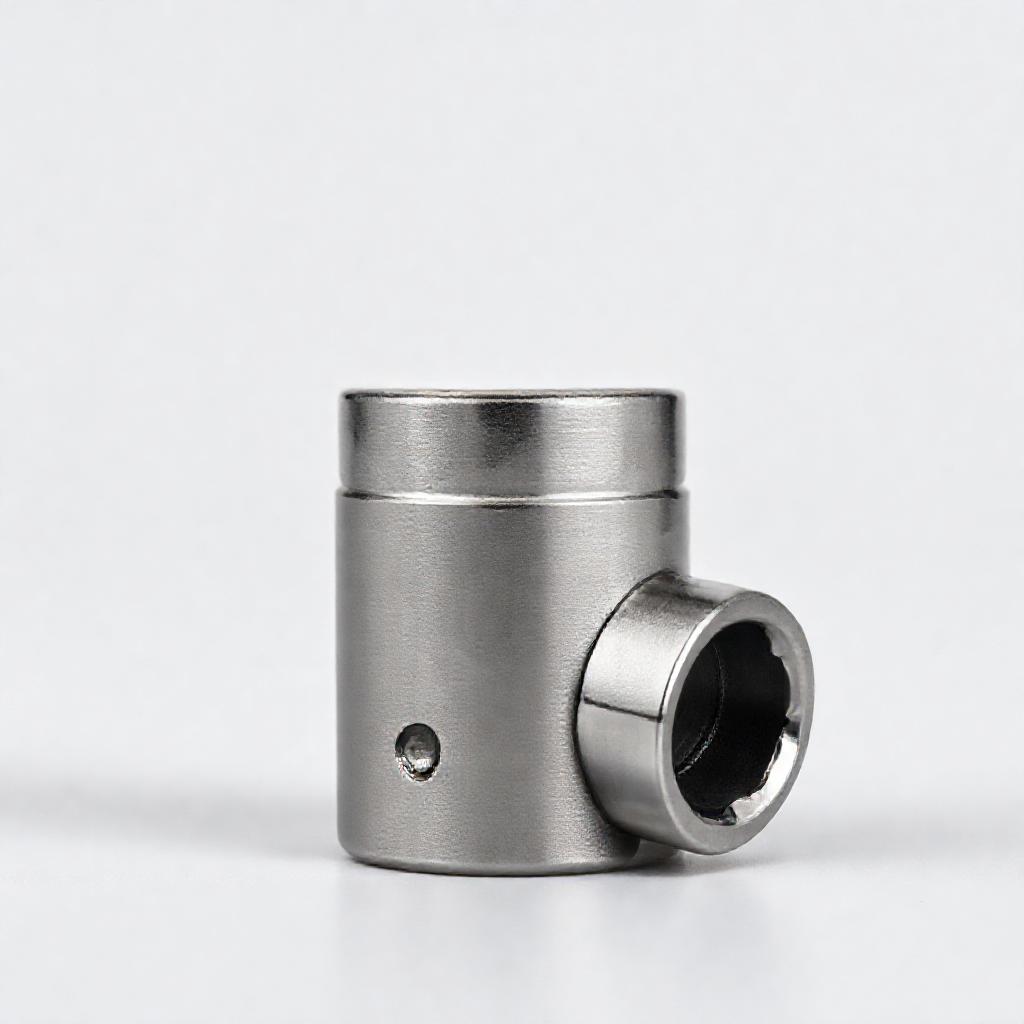
The universal joint socket, also known as a wobble socket, swivel socket, or flex socket, features a swivel joint that allows the socket to be used at an angle. This flexibility is crucial for accessing fasteners located in tight spaces or at awkward angles, where a standard socket cannot reach. The “1/4 inch” refers to the drive size, which is a measure of the diameter of the square drive that fits into the socket wrench or ratchet. The 1/4 inch drive size is commonly used for smaller projects and applications where precision is key, offering the advantage of compactness and ease of handling.
Defining the Universal Joint Socket
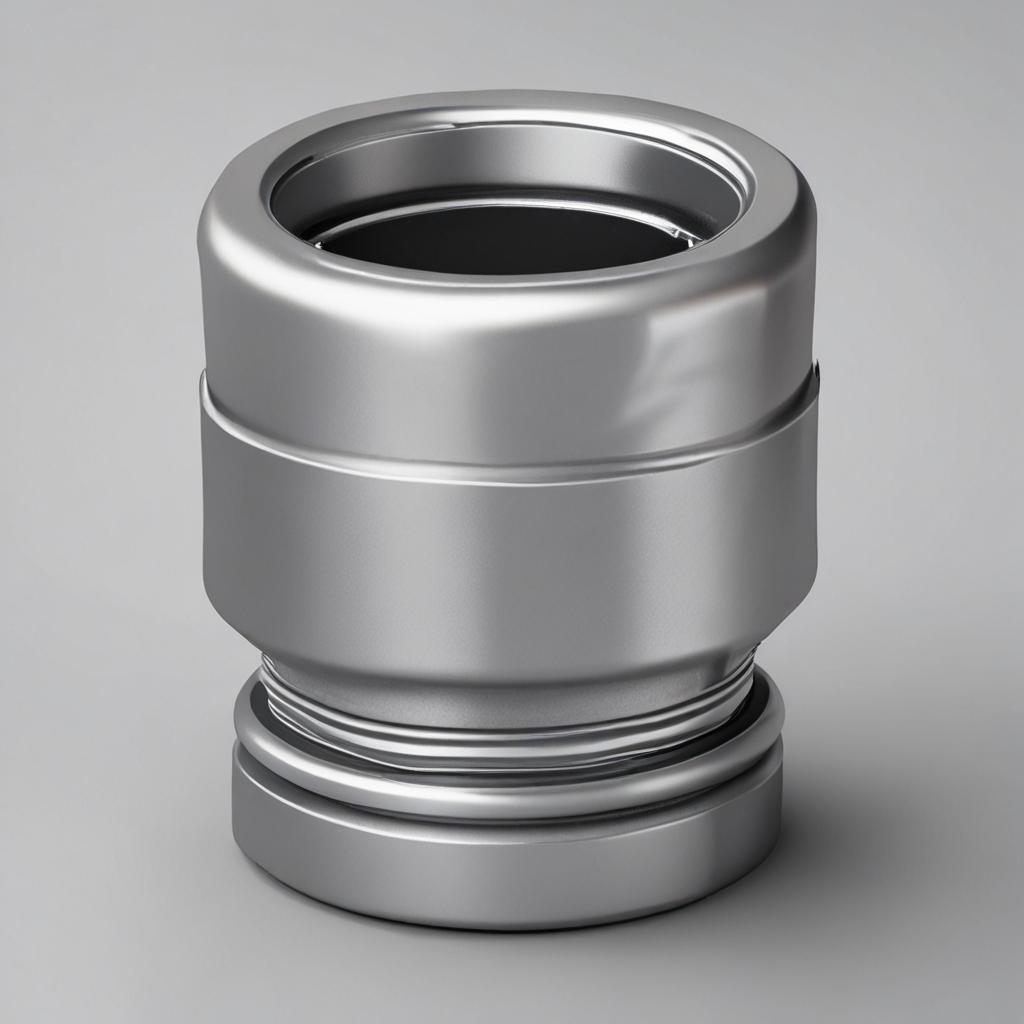
A universal joint socket works by allowing the socket to pivot around a central point, enabling it to maintain contact with the fastener even when the ratchet or wrench is not directly in line with the fastener. This feature is particularly useful in automotive repairs, where fasteners are often located in hard-to-reach areas such as engine bays or behind dashboards. Different names for this tool, such as wobble socket or flex socket, all refer to its ability to flex or swivel, enhancing accessibility.
Understanding the 1/4 Inch Drive Size
The 1/4 inch drive size is one of the most common drive sizes, alongside 3/8″ and 1/2″. Each drive size has its specific applications, with the 1/4 inch being ideal for smaller bolts and nuts, and the larger sizes being used for heavier-duty applications. The choice of drive size depends on the project requirements, with the 1/4 inch drive offering precision and compactness, making it perfect for working in tight spaces or with smaller fasteners.
Key Features and Benefits of a 1/4 Inch Universal Joint Socket
The 1/4 inch universal joint socket offers several key benefits that make it an essential tool for any toolkit. Its ability to enhance accessibility, preserve fastener integrity, save time and effort, and its versatility in working with various types of fasteners and socket types are just a few of its notable advantages. Whether you’re working on a complex engine repair or a simple DIY project, this tool can significantly improve your workflow and the quality of your work.
Enhanced Accessibility
One of the primary benefits of the 1/4 inch universal joint socket is its ability to reach fasteners in tight spaces. This is particularly useful in automotive and machinery repairs, where fasteners are often located in areas that are difficult to access with standard tools. By allowing the socket to be used at an angle, the universal joint socket saves time and effort that would be spent disassembling components to access the fastener.
Preserving Fastener Integrity
Using a universal joint socket correctly can prevent stripping or damaging fasteners, which is a common issue when using standard sockets in tight spaces. Proper alignment and the use of the correct socket size are crucial in preserving fastener integrity, ensuring that the fastener is not damaged during the tightening or loosening process.
Saving Time and Effort
The 1/4 inch universal joint socket speeds up repair work by eliminating the need to disassemble surrounding components to access fasteners. This not only saves time but also reduces the risk of damaging other parts during the disassembly process. For example, in engine repairs, being able to access a bolt behind a component without having to remove the entire component can save hours of work.
Versatility
This tool is versatile and can be used with a variety of fasteners, including bolts, nuts, and screws. It is also compatible with different socket types, such as standard, deep, and impact sockets, making it a highly adaptable tool for various applications. Whether you’re working with standard sockets for everyday repairs or impact sockets for heavy-duty applications, the 1/4 inch universal joint socket can adapt to your needs.
Choosing the Right 1/4 Inch Universal Joint Socket
Choosing the right 1/4 inch universal joint socket involves considering several factors, including the material, build quality, socket type compatibility, and whether to purchase a set or individual sockets. The material, whether chrome vanadium or impact-rated steel, should be chosen based on the intended use, with impact-rated steel being necessary for use with impact wrenches. The build quality, including the smoothness of the universal joint’s movement and the tightness of its construction, is also crucial for the tool’s performance and longevity.
Material Matters: Chrome Vanadium vs. Impact-Rated Steel
Chrome vanadium and impact-rated steel are the two primary materials used in making universal joint sockets. Chrome vanadium offers durability and strength suitable for standard applications, while impact-rated steel is designed to withstand the high forces generated by impact wrenches. Choosing the right material depends on the intended use of the socket, with impact-rated steel being a must for heavy-duty applications involving impact wrenches.
Build Quality and Design
The build quality of a universal joint socket is critical to its performance. A high-quality socket will have a smooth-moving universal joint and tight construction, minimizing “slop” and ensuring precise control over the fastener. Brand-specific design features can also enhance the tool’s usability and durability. When selecting a socket, it’s essential to assess these factors to ensure you’re getting a tool that will meet your needs and last over time.
Socket Type Compatibility
Compatibility with standard, deep, and impact sockets is another crucial consideration. The 1/4 inch universal joint socket can be used with a variety of socket types, but it’s essential to consider the overall length when using deep sockets to ensure that the socket can reach the fastener without the universal joint being overly extended.
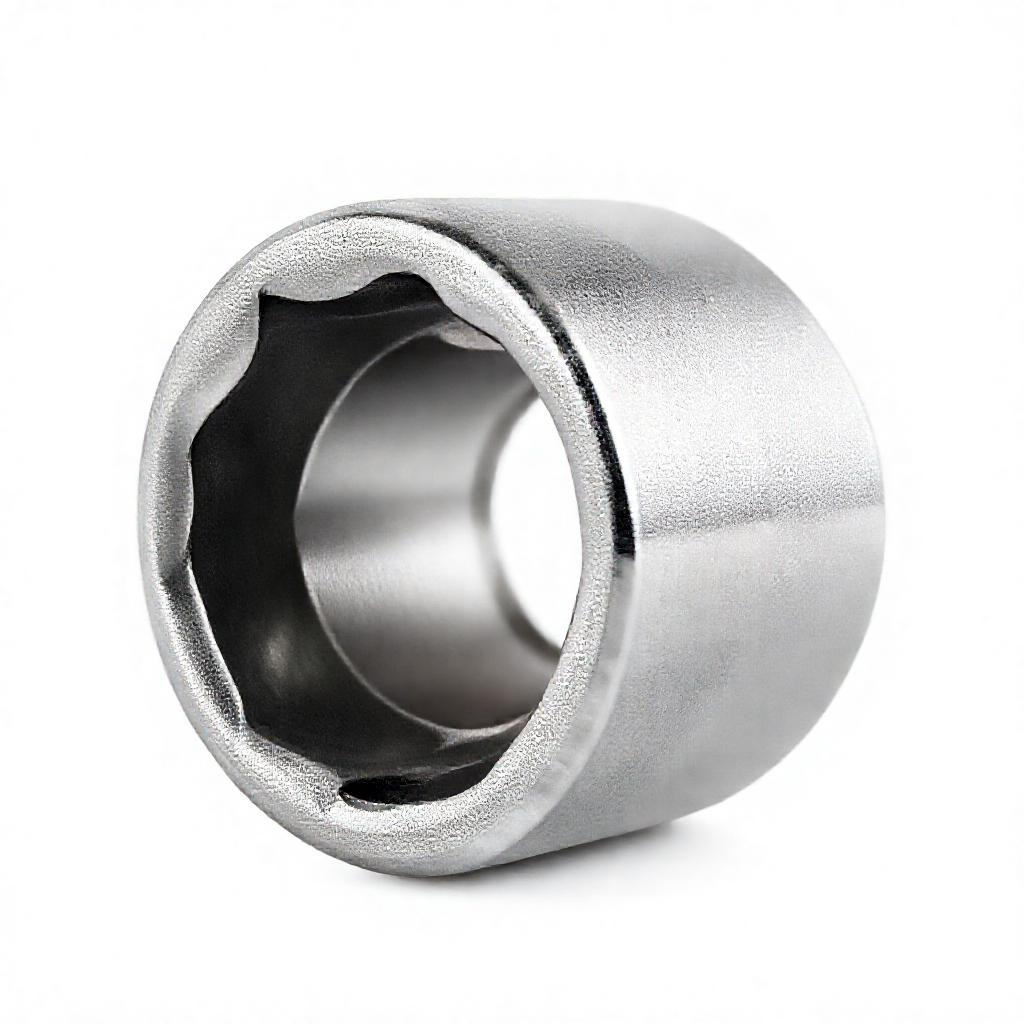
Set vs. Individual Purchase
Deciding whether to buy a set of universal joint sockets or purchase them individually depends on your specific needs and budget. A set can offer convenience and cost savings, especially if you anticipate needing multiple sizes. However, if you only need a specific size for a one-time project, purchasing individually might be more cost-effective.
How to Use a 1/4 Inch Universal Joint Socket Correctly
Using a 1/4 inch universal joint socket correctly involves several steps, including selecting the right socket size, assembling the socket and extension, applying controlled pressure, maintaining proper alignment, and using it with impact drivers if applicable. Each step is crucial to ensure that the fastener is not damaged and the job is done efficiently.
Selecting the Right Socket Size
Selecting the correct socket size is vital to prevent stripping the fastener. Measuring the fastener size accurately and choosing a socket that matches this size is the first step in using a universal joint socket. Using a socket that is too small or too large can lead to damage to the fastener or the socket itself.
Assembling the Socket and Extension (If Needed)
Assembling the universal joint socket with a ratchet and extension bar, if needed, requires ensuring a secure connection. The socket should fit snugly onto the ratchet, and any extensions should be securely attached to both the socket and the ratchet. A loose connection can lead to loss of control over the socket, potentially damaging the fastener or surrounding components.
Applying Controlled Pressure
Applying even, controlled pressure is essential when using a universal joint socket. This helps prevent slippage and ensures that the force is applied directly to the fastener. Using two hands, when possible, can provide better control and leverage, especially in tight spaces.
Maintaining Proper Alignment
Maintaining proper alignment between the socket and the fastener is critical. The universal joint allows for flexibility, but it’s essential to adjust the angle of the joint so that the socket is as straight as possible in relation to the fastener. This prevents damage to the fastener and ensures efficient tightening or loosening.
Using with Impact Drivers (If Applicable)
When using a universal joint socket with an impact driver, it’s crucial to use an impact-rated socket. Impact drivers generate high forces that can damage standard sockets, leading to safety hazards and tool failure. Always ensure that the socket is rated for impact use to prevent such issues.
Maintenance and Care
Maintaining and caring for your 1/4 inch universal joint socket is essential to extend its lifespan and ensure it continues to perform well. This involves cleaning and lubricating the socket, storing it properly, and inspecting it for wear and tear.
Cleaning and Lubrication
Cleaning the socket after use to remove dirt and grime is important. Using a lubricant, such as WD-40 or penetrating oil, can keep the universal joint moving smoothly and prevent rust. Regular lubrication is particularly important in harsh environments or when the socket is not used frequently.
Storage
Storing the universal joint socket in a dry place is recommended to prevent rust. Using a tool organizer can keep the socket and its accessories organized and easily accessible, reducing the time spent searching for tools during a project.
Inspecting for Wear and Tear
Regularly inspecting the universal joint socket for signs of wear and tear, such as cracks, rust, or excessive play in the joint, is crucial. If any damage is found, the socket should be replaced to prevent accidents and ensure the integrity of the fasteners being worked on.
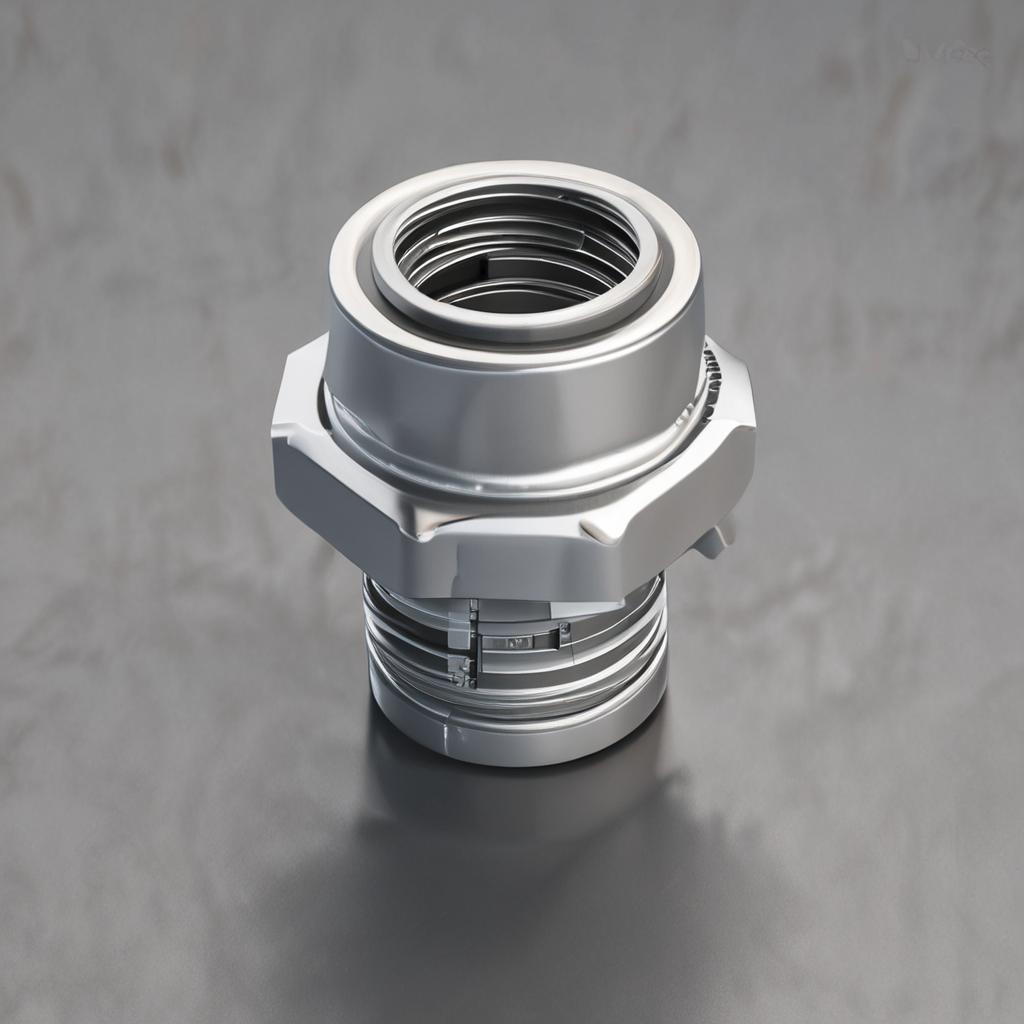
Troubleshooting Common Problems
Despite proper use and maintenance, issues can arise when using a 1/4 inch universal joint socket. Common problems include the socket slipping or stripping fasteners, the universal joint binding or sticking, and difficulty accessing a fastener. Each of these issues has specific causes and solutions.
Socket Slipping or Stripping Fasteners
Socket slipping or stripping fasteners can be caused by a worn socket, using the incorrect size, or applying too much angle, which can cause the socket to slip off the fastener. Solutions include replacing the socket, selecting the correct size, and adjusting the angle of the universal joint to minimize slippage.
Universal Joint Binding or Sticking
A universal joint that binds or sticks can be freed up with lubrication or by gently tapping the joint. However, if the issue persists, it may indicate internal damage, and the socket should be inspected or replaced. Regular lubrication can prevent this issue, especially in environments prone to rust or corrosion.
Difficulty Accessing a Fastener
Difficulty accessing a fastener can often be resolved by using different extensions or socket types. Trying a different angle or using a wobble extension can provide the necessary flexibility to reach the fastener. In some cases, using a flex-head ratchet may offer an alternative solution.
Conclusion
In conclusion, the 1/4 inch universal joint socket is a versatile and essential tool for accessing hard-to-reach fasteners. Its ability to enhance accessibility, preserve fastener integrity, save time and effort, and its versatility make it a must-have for DIYers, mechanics, and professionals. By understanding how to choose and use this tool correctly, and by following proper maintenance and care procedures, you can improve your productivity and the quality of your work. Whether you’re working on a complex project or a simple repair, mastering the use of the 1/4 inch universal joint socket can make all the difference.
FAQ
Frequently asked questions about the 1/4 inch universal joint socket include its maximum operating angle, compatibility with impact wrenches, how to prevent stripping fasteners, alternatives to using a universal joint socket, and the difference between a universal joint socket and a wobble extension.
What is the maximum angle a 1/4 inch universal joint socket can operate at?
The maximum angle at which a 1/4 inch universal joint socket can operate varies by manufacturer but typically ranges up to 30 degrees from the centerline. However, the exact angle can depend on the specific design and quality of the universal joint.
Can I use a 1/4 inch universal joint socket with an impact wrench?
Yes, but it’s essential to use an impact-rated universal joint socket. Standard sockets are not designed to withstand the high forces generated by impact wrenches and can fail, leading to safety hazards and tool damage.
How do I prevent a universal joint socket from stripping a fastener?
Preventing a universal joint socket from stripping a fastener involves using the correct socket size, maintaining proper alignment, and applying controlled pressure. Regularly inspecting the socket for wear and ensuring it is properly lubricated can also help prevent issues.
Are there any alternatives to using a universal joint socket?
Alternatives to using a universal joint socket include wobble extensions and flex-head ratchets. Each of these tools offers flexibility in accessing fasteners at angles but differs in design and application. Wobble extensions provide a degree of flexibility similar to universal joint sockets but are typically used for less severe angles. Flex-head ratchets offer a flexible head that can be adjusted to various angles, providing another option for reaching fasteners in tight spaces.
What is the difference between a universal joint socket and a wobble extension?
A universal joint socket and a wobble extension both offer flexibility but differ in their degree of movement and application. A universal joint socket allows for a wider range of motion, typically up to 30 degrees, and is designed for use in tighter spaces or at more extreme angles. A wobble extension, on the other hand, provides less flexibility but is often used for applications where less angle adjustment is needed. The choice between the two depends on the specific requirements of the project and the accessibility of the fastener.