Universal Joint Socket 1 4
Universal joint sockets, particularly those with a 1/4″ size, play a vital role in various industries and applications due to their ability to transmit torque through a variable angle. This flexibility allows for more complex and efficient mechanical designs, making them a crucial component in manufacturing, automotive, aerospace, and even DIY projects. The importance of universal joint sockets lies in their capacity to enable flexible movement and torque transmission in mechanical systems, which is essential for the smooth operation of machinery and vehicles. As technology advances, the demand for these versatile components continues to grow, driven by their reliability, efficiency, and the broad range of applications they can serve.
Introduction to Universal Joint Sockets
Overview of Universal Joint Sockets
Universal joint sockets are designed to facilitate the transmission of rotational power between two shafts that are not in a straight line, making them indispensable in applications where flexibility and efficiency are key. The 1/4″ size is particularly popular due to its balance between compactness and torque transmission capability, finding its way into various industrial and hobbyist applications. Their common applications span from industrial machinery and automotive systems to DIY projects and model building, highlighting their versatility and importance. The significance of universal joint sockets in these sectors cannot be overstated, as they enable the creation of complex mechanical systems that would otherwise be impossible or highly inefficient.
Understanding Universal Joint Sockets 1/4″
Definition and Functionality
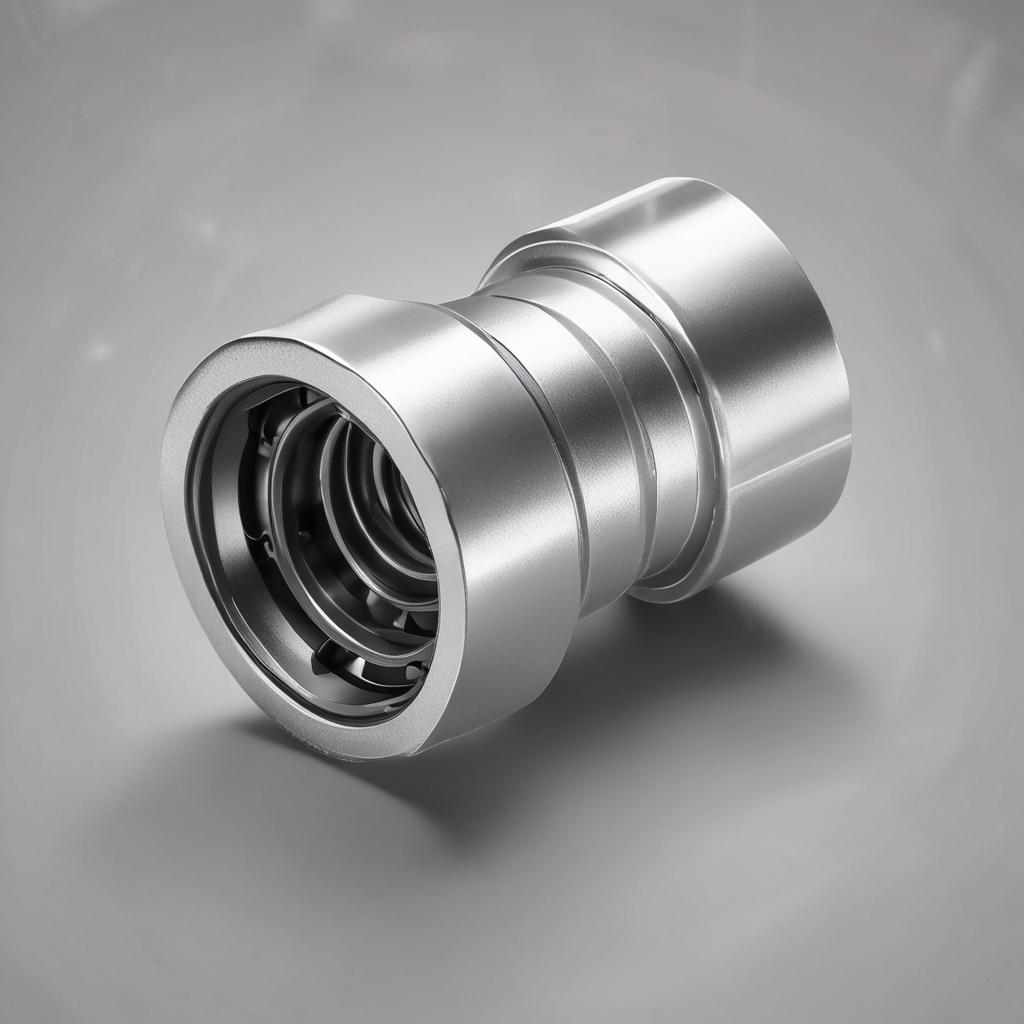
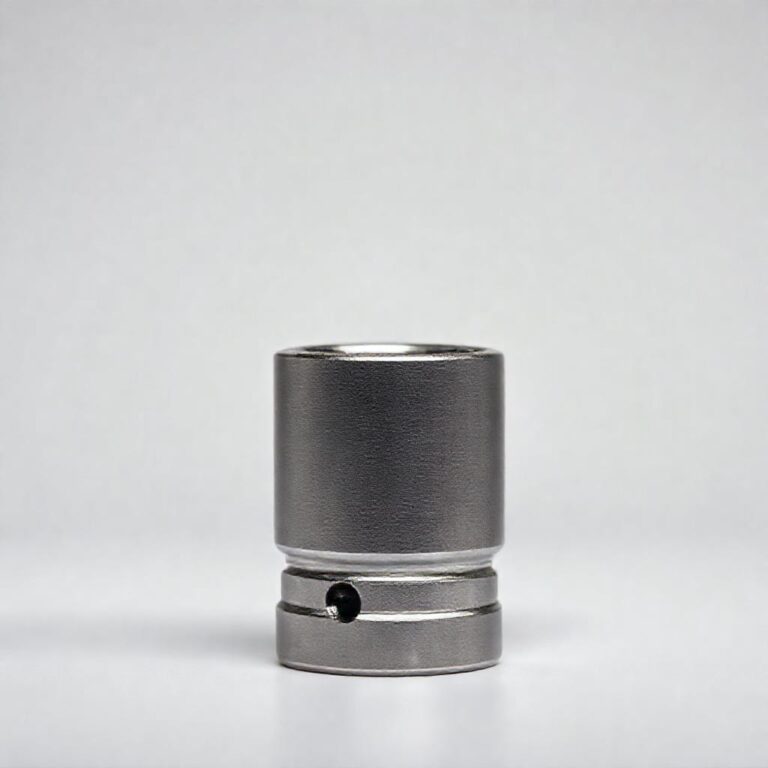
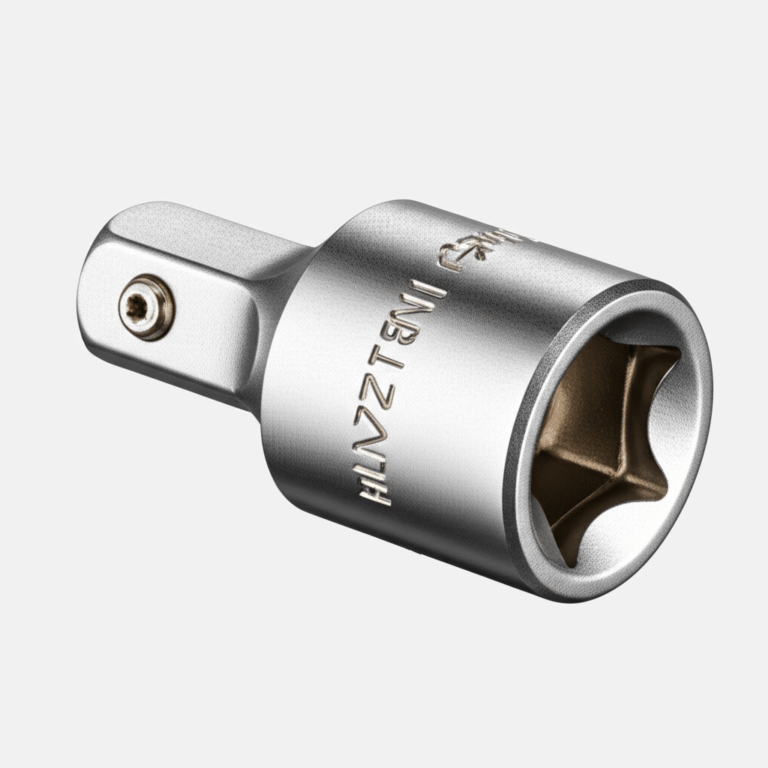
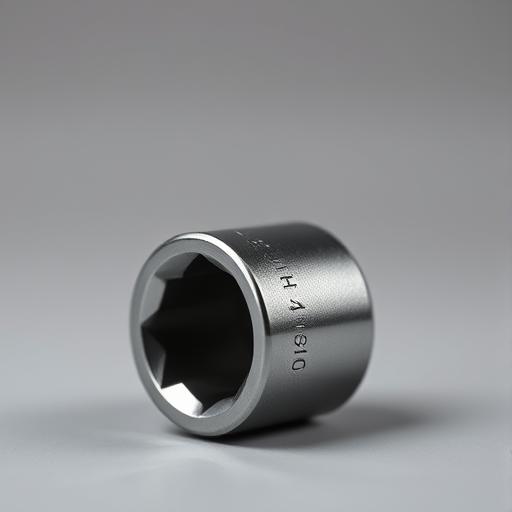
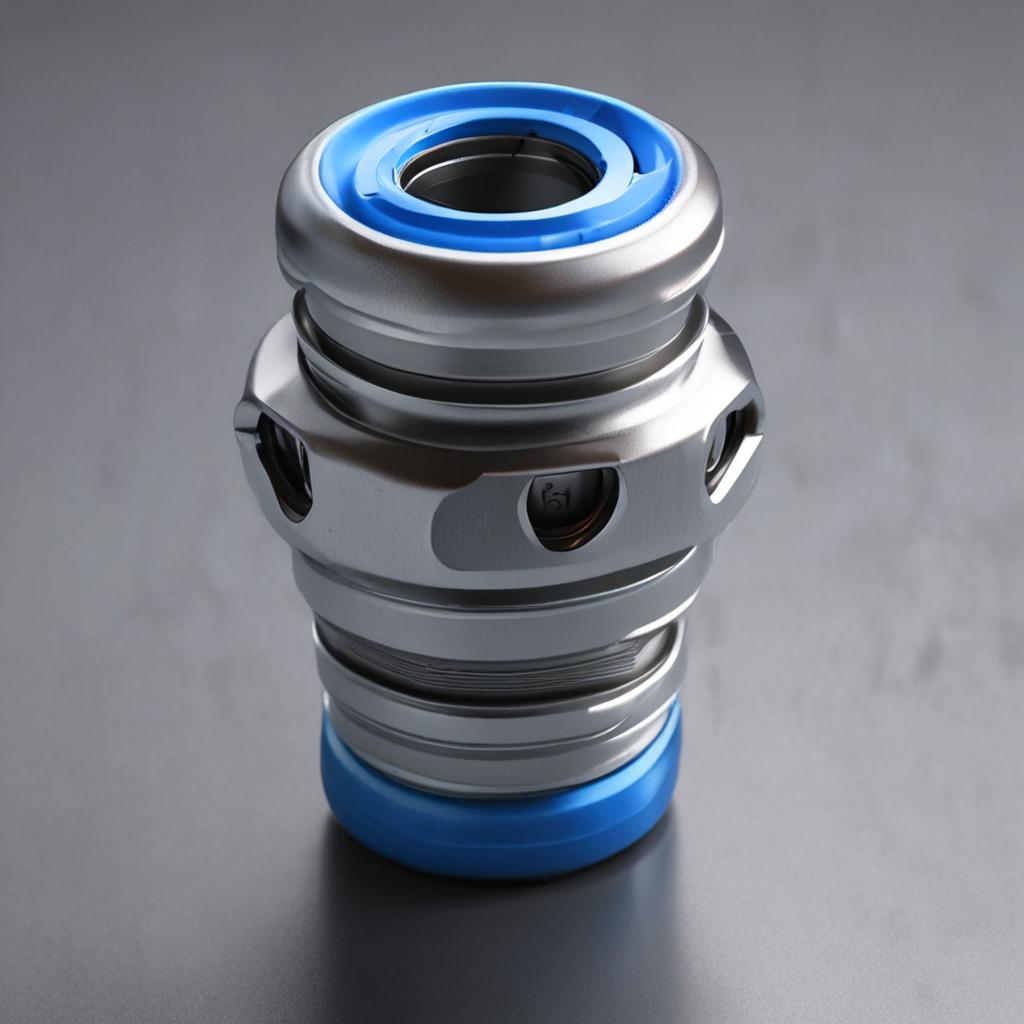
A 1/4″ universal joint socket is a component that allows for the transmission of torque through a variable angle, enabling flexible movement in mechanical systems. Its primary function is to connect two rotating shafts that are not aligned, ensuring smooth power transmission without significant loss of efficiency. This is achieved through its unique design, which typically involves a universal joint and a socket that can be attached to a drive shaft or other machinery. The universal joint itself is the core component, allowing the socket to move and rotate at various angles while maintaining torque transmission.
Types of Universal Joint Sockets
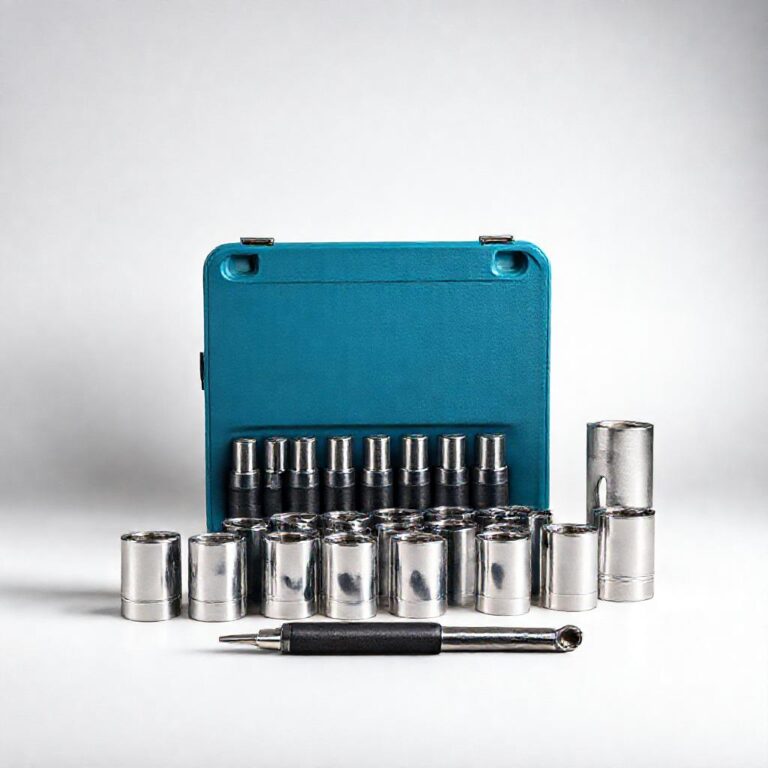
There are several types of 1/4″ universal joint sockets available, differing in materials, designs, and special features. Materials can range from durable metals like stainless steel and aluminum to high-strength plastics, each offering advantages in terms of strength, corrosion resistance, and weight. Designs can vary from simple, compact models suitable for DIY projects to more complex, heavy-duty versions designed for industrial applications. Some universal joint sockets also come with special features such as quick-connect mechanisms, adjustable angles, and protective coatings to enhance their performance and durability in specific environments.
Applications of 1/4″ Universal Joint Sockets
Industrial Applications
In industrial settings, 1/4″ universal joint sockets are used in manufacturing machinery, automotive production lines, and aerospace engineering. They are integral in systems that require flexible movement and reliable torque transmission, such as robotic arms, conveyor belts, and engine components. Their ability to operate efficiently at various angles makes them ideal for complex machinery designs. For example, in automotive manufacturing, these sockets can be found in systems used for vehicle inspection and assembly, where flexibility and precision are crucial.
DIY and Hobbyist Applications
Among DIY enthusiasts and hobbyists, 1/4″ universal joint sockets are popular for their versatility and convenience. They are used in model building, robotics, and home repair projects, allowing for the creation of complex mechanisms with flexible joints. Their compact size and ease of use make them ideal for projects where space is limited and flexibility is necessary. For instance, in robotics, these sockets enable the creation of articulated arms and grippers that can perform a variety of tasks with precision.
Choosing the Right 1/4″ Universal Joint Socket
Considerations for Selection
When selecting a 1/4″ universal joint socket, several factors must be considered, including material strength, durability, flexibility, and compatibility with existing tools and machinery. The application’s specific requirements, such as the need for high-speed operation, heavy-duty use, or resistance to corrosion, should guide the selection process. Additionally, the socket’s design and any special features it offers should align with the project’s needs, whether it’s a complex industrial machinery setup or a simple DIY project.
Brands and Quality
Various brands are recognized for producing high-quality 1/4″ universal joint sockets, each offering unique features, price points, and customer reviews. Comparing these factors can help in making an informed decision. Brands may specialize in specific types of universal joint sockets, such as those designed for high-speed applications or heavy-duty industrial use, making it important to research and select a brand that aligns with the intended application.

Maintenance and Troubleshooting
Care and Maintenance Tips
To extend the lifespan of 1/4″ universal joint sockets, proper care and maintenance are essential. This includes storing them in dry, clean environments, regularly cleaning them to prevent corrosion, and inspecting them for wear and tear. Regular lubrication of moving parts can also significantly extend the life of the socket. By following these routines, users can ensure their universal joint sockets remain in good working condition and perform optimally.
Common Issues and Solutions
Common issues with universal joint sockets include wear and tear, corrosion, and difficulties in connecting or disconnecting them. Solutions to these problems often involve regular maintenance, such as cleaning and lubrication, and ensuring that the socket is properly aligned and secured when in use. In cases of severe wear or damage, replacement may be necessary. It’s also important to follow the manufacturer’s guidelines for use and maintenance to prevent premature wear and extend the socket’s lifespan.
Conclusion
Summary and Future Outlook
In conclusion, 1/4″ universal joint sockets are vital components in a wide range of applications, from industrial machinery and automotive systems to DIY projects and hobbyist endeavors. Their ability to transmit torque through a variable angle makes them indispensable for creating complex and efficient mechanical systems. As technology continues to evolve, the demand for these versatile components is expected to grow, driven by advancements in materials science, design, and the increasing need for flexible and efficient mechanical solutions. Future trends may include the development of universal joint sockets with enhanced durability, higher speed capabilities, and smarter designs that integrate with emerging technologies.
FAQ
Frequently asked questions about universal joint sockets include:
- Q: What is the primary advantage of using a universal joint socket?
- Q: How do I determine the right size of the universal joint socket for my project?
A: The primary advantage is the ability to transmit torque through a variable angle, allowing for more flexible mechanical designs.
A: Consider the torque requirements, space constraints, and compatibility with your tools and machinery to select the appropriate size.
A: Yes, but the speed limit depends on the design and material of the socket. High-speed applications require sockets specifically designed for such use to prevent damage and ensure safety.
A: Yes, many universal joint sockets are designed for heavy-duty use, offering high strength and durability. However, the specific application and required specifications should guide the selection.