Socket Universal Joint
Universal joints are a crucial component in mechanical systems, enabling the transmission of power through varying angles. They play a vital role in numerous applications, from industrial machinery to automotive systems. This post aims to delve into the specifics of socket universal joints, exploring their definition, functionality, applications, advantages, and maintenance requirements. By understanding the intricacies of socket universal joints, individuals can better appreciate their importance in ensuring the smooth operation of mechanical systems.
Introduction to Socket Universal Joints
Overview of Universal Joints
Universal joints are designed to facilitate the transmission of power between two shafts that are not aligned. They are essential in mechanical systems, allowing for flexibility and movement while maintaining efficiency. The purpose of this post is to provide an in-depth examination of socket universal joints, highlighting their unique characteristics and applications.
What are Socket Universal Joints?
Definition and Functionality
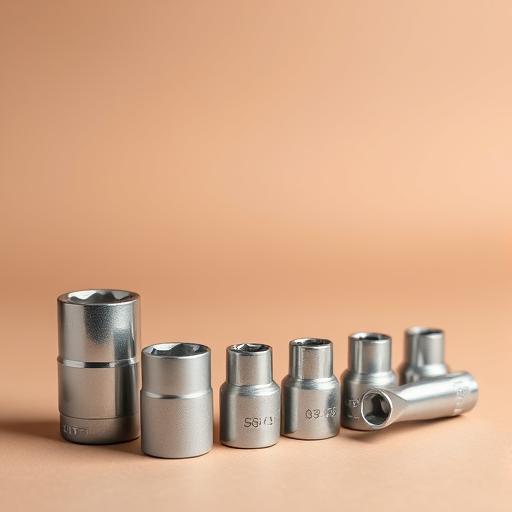
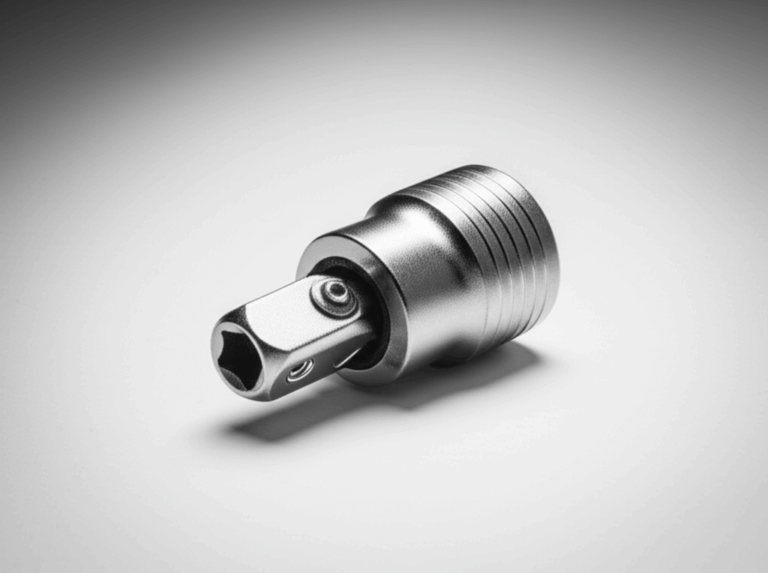
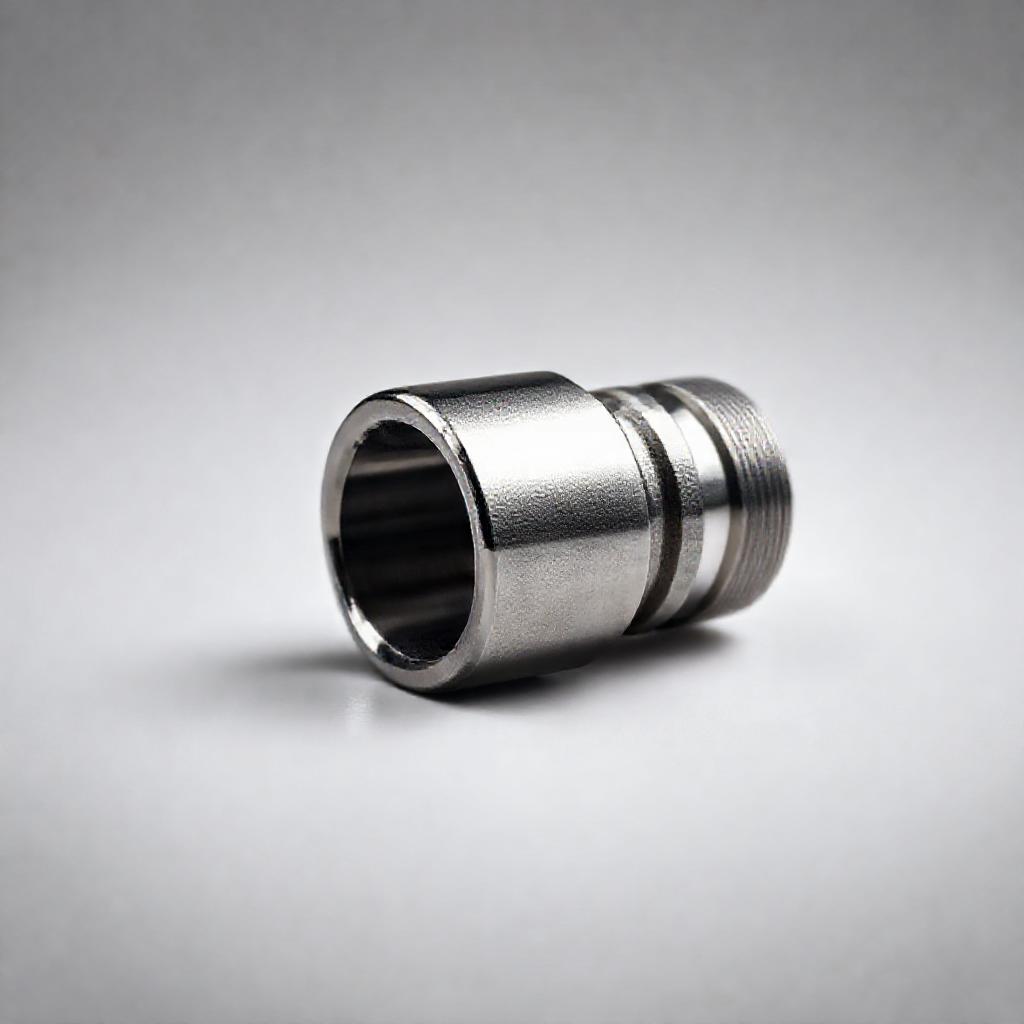
Socket universal joints are a type of universal joint that features a socket-like design, enabling them to accommodate varying angles and movements. They differ from other types of universal joints in their construction and functionality, allowing for greater flexibility and efficiency. The primary role of socket universal joints is to transmit power through a variable angle, ensuring smooth operation and minimizing wear and tear.
Components and Design
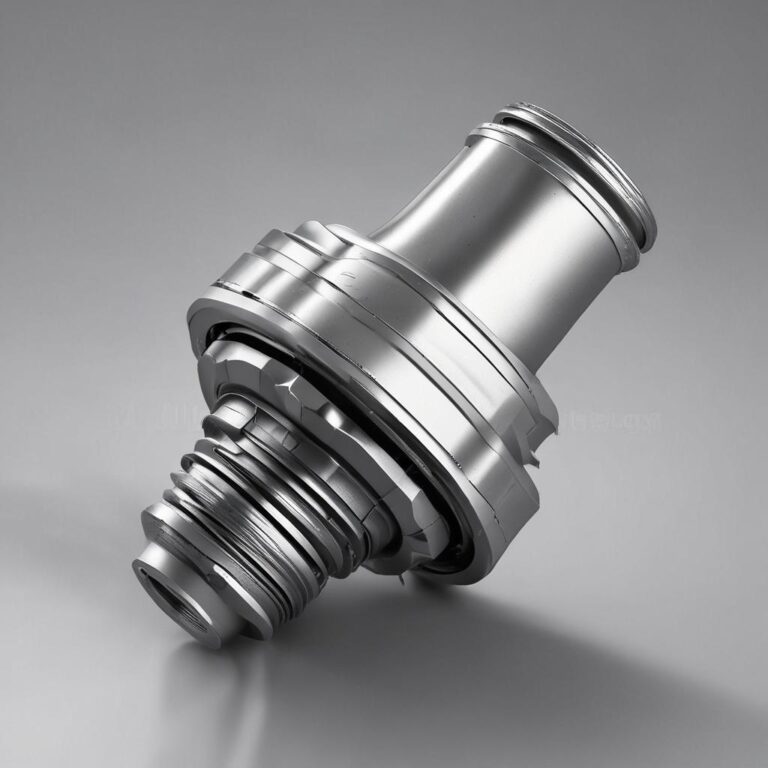
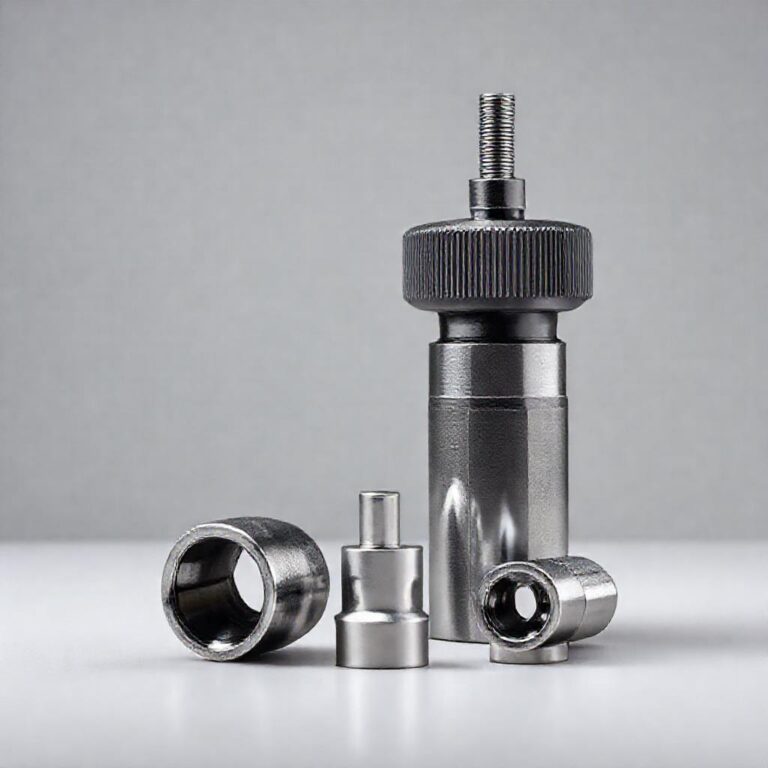
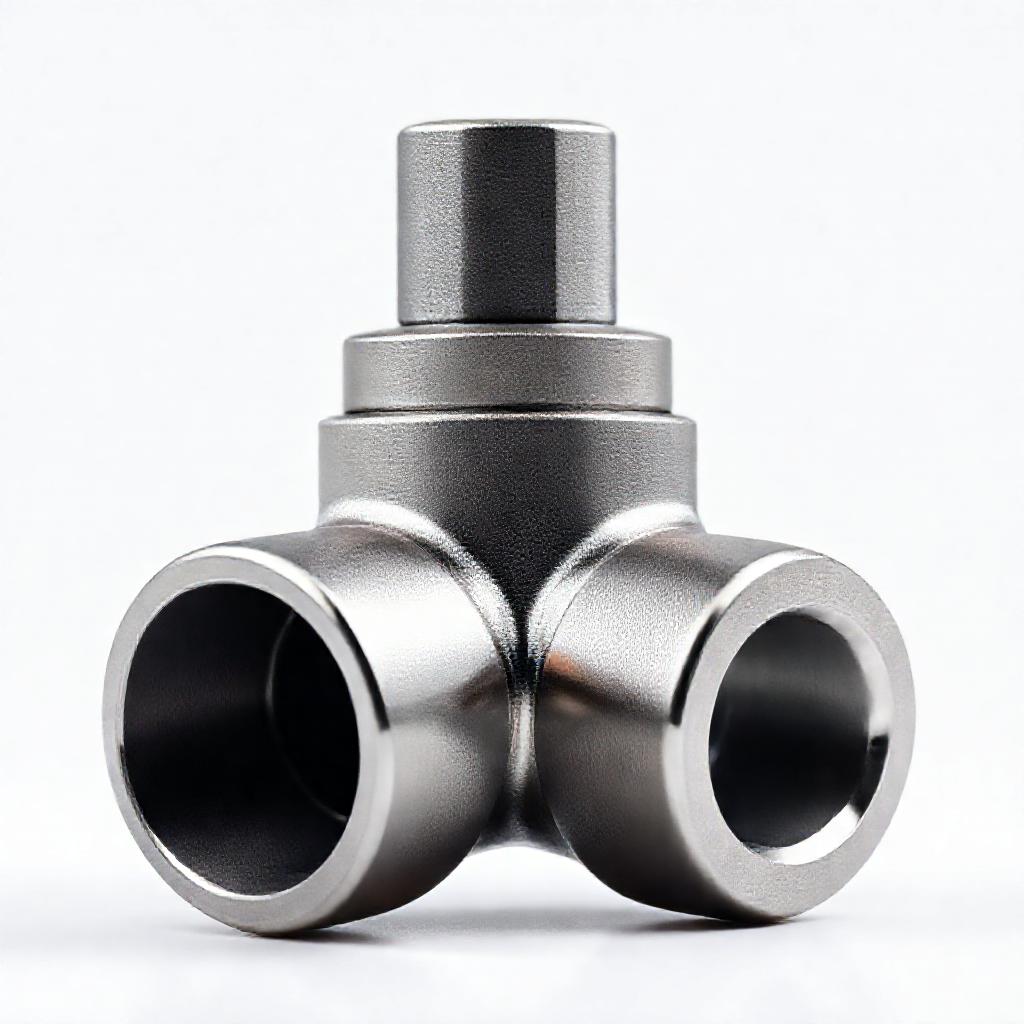
A socket universal joint consists of several key components, including yokes, shafts, and bearings. The design of these components is critical, as it influences the performance and durability of the joint. Factors such as material selection, size, and shape must be carefully considered to ensure optimal functionality and minimize the risk of failure.
Applications of Socket Universal Joints
Industrial Uses
Socket universal joints are commonly used in various industrial applications, including machinery, power transmission, and automotive systems. They are particularly useful in situations where flexibility and movement are required, such as in conveyor systems or robotic arms. The use of socket universal joints in these applications enables smooth power transmission, reducing wear and tear and increasing overall efficiency.
Automotive Applications
In the automotive industry, socket universal joints are used in drive shafts and steering systems, allowing for smooth power transmission and vehicle performance. They are designed to accommodate the varying angles and movements encountered in these applications, ensuring efficient and reliable operation. The use of socket universal joints in automotive systems is critical, as it enables vehicles to operate smoothly and efficiently, even in demanding conditions.
Advantages and Disadvantages
Benefits of Socket Universal Joints
The advantages of socket universal joints include flexibility, efficiency, and durability. They enable smooth power transmission, even in applications with varying angles and movements. Additionally, socket universal joints are designed to minimize wear and tear, reducing the risk of failure and increasing overall system lifespan. The benefits of socket universal joints make them an essential component in numerous mechanical systems.
Key Features
Constant Velocity
Maintains speed
Available
High Angle Articulation
Up to 45°
Available
Sealed Boot
Dust protection
Available
Grease Fittings
Easy lubrication
Available
Forged Yokes
High strength
Limited
Feature overview for Socket Universal Joint
Limitations and Challenges
Despite their advantages, socket universal joints also have some limitations and challenges. Vibration, wear, and the need for precise alignment can all impact their performance and lifespan. Strategies for mitigating these challenges include regular maintenance, proper installation, and careful selection of components. By understanding these limitations and challenges, individuals can take steps to optimize the performance and lifespan of socket universal joints.
Maintenance and Repair
Best Practices for Maintenance
Regular maintenance is essential for extending the lifespan and ensuring optimal performance of socket universal joints. This includes periodic inspection and lubrication, as well as monitoring for signs of wear and tear. By following best practices for maintenance, individuals can minimize the risk of failure and ensure smooth operation of mechanical systems.
Repair and Replacement
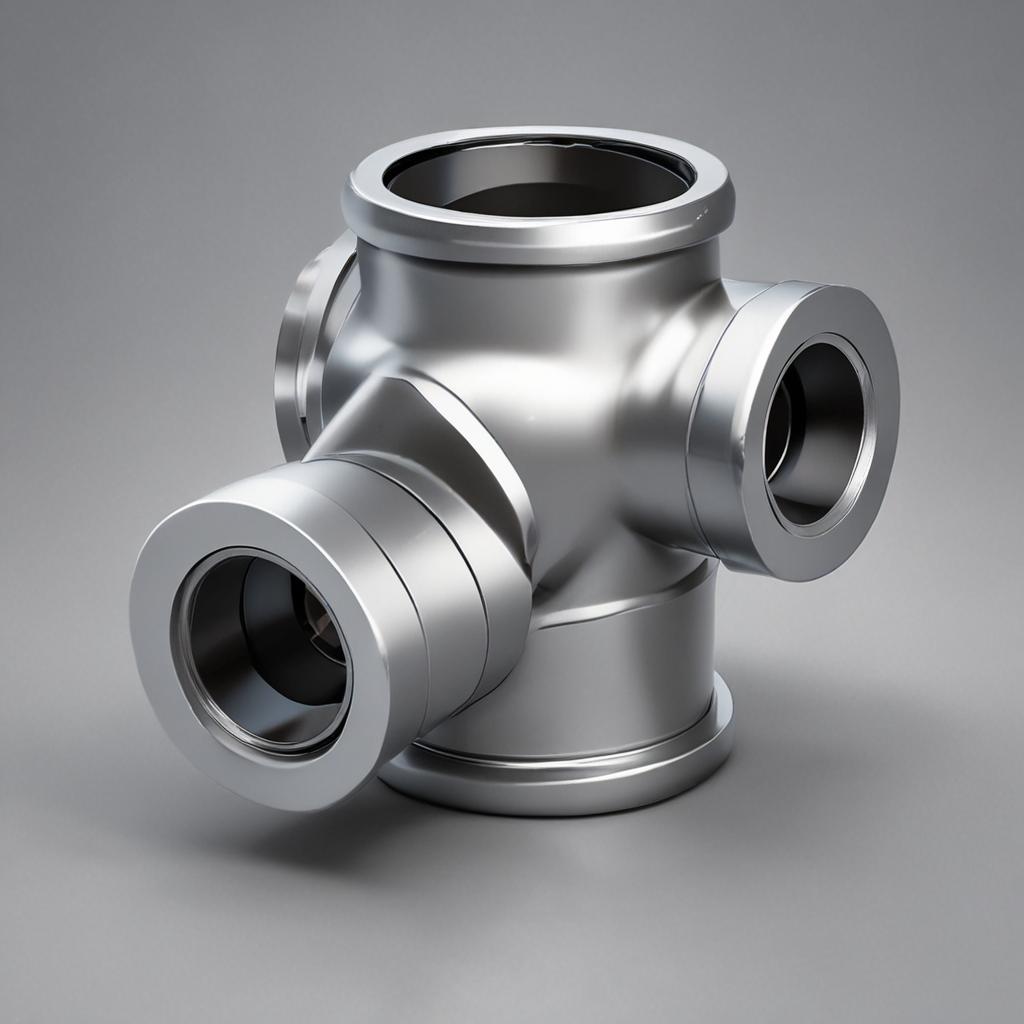
In the event of failure or wear, socket universal joints may require repair or replacement. It is essential to identify signs of wear and failure, such as vibration or noise, and take prompt action to address the issue. When selecting replacement parts, individuals must consider factors such as compatibility, size, and material to ensure optimal performance and lifespan.
Conclusion
In conclusion, socket universal joints are a critical component in mechanical systems, enabling smooth power transmission and flexibility. By understanding their definition, functionality, applications, advantages, and maintenance requirements, individuals can appreciate their importance and optimize their performance. Whether in industrial or automotive applications, socket universal joints play a vital role in ensuring efficient and reliable operation.
FAQ
Q: What is the primary function of a socket universal joint?
A: The primary function of a socket universal joint is to transmit power through a variable angle, allowing for flexibility in mechanical systems.
Q: How often should socket universal joints be maintained?
A: Regular maintenance, including inspection and lubrication, should be performed periodically, with the exact frequency depending on usage and application.
Q: Can socket universal joints be used in high-speed applications?
A: Yes, socket universal joints can be used in high-speed applications, but they require careful selection and design to ensure they can handle the stresses and vibrations involved.
Q: What are the common signs of wear in socket universal joints?
A: Common signs include vibration, noise, and a decrease in system performance. Regular inspection can help identify these signs early.
Q: Are socket universal joints interchangeable with other types of universal joints?
A: No, socket universal joints are designed for specific applications and are not always interchangeable with other types due to differences in design, size, and functionality.