Wobble Socket Vs Universal Joint
In the world of mechanical engineering and manufacturing, the choice between a wobble socket and a universal joint can significantly impact the performance, reliability, and efficiency of various systems. Both components serve critical functions, but they differ in design, functionality, and application. This article will explore the key differences, advantages, and disadvantages of wobble sockets and universal joints, helping you make an informed decision for your specific needs.
What is a Wobble Socket?
Definition and Basic Function
A wobble socket, also known as a floating socket, is a mechanical component designed to connect and transmit rotational motion between two shafts that are not perfectly aligned. Its primary function is to provide flexibility and reduce stress in the system, making it ideal for applications where precise alignment is challenging.
Design and Structure
The design of a wobble socket typically includes a ball-and-socket mechanism that allows for angular misalignment. The ball is usually made of a hard, wear-resistant material, while the socket is designed to accommodate the ball’s movement. This design ensures smooth and consistent operation even when the connected shafts are not perfectly aligned.
Common Applications
Wobble sockets are commonly used in various industries, including:
- Automotive: In steering systems and drive shafts
Advantages
Features table for Advantages
The primary advantages of using wobble sockets include:
- Flexibility: They can accommodate significant angular misalignment
Disadvantages
Despite their benefits, wobble sockets have some limitations:
- Load Capacity: They may not handle high torque loads as effectively as universal joints
What is a Universal Joint?
Definition and Basic Function
A universal joint, or U-joint, is a mechanical device that allows the transmission of rotational motion between two shafts that are not in a straight line. It is widely used in applications where there is a need for flexible and reliable power transmission, even with significant angular misalignment.
Design and Structure
The design of a universal joint typically includes a cross-shaped yoke and four bearing cups. The yoke allows the joint to pivot in multiple directions, while the bearing cups ensure smooth and efficient rotation. This design makes universal joints highly durable and capable of handling high torque loads.
Common Applications
Universal joints are commonly used in various industries, including:
- Automotive: In drive shafts and steering systems
Advantages
The primary advantages of using universal joints include:
- High Torque Transmission: They can handle high torque loads effectively
Disadvantages
Despite their benefits, universal joints have some limitations:
- Complexity: More complex to install and maintain compared to wobble sockets
Wobble Socket vs Universal Joint: Key Differences
Design and Construction
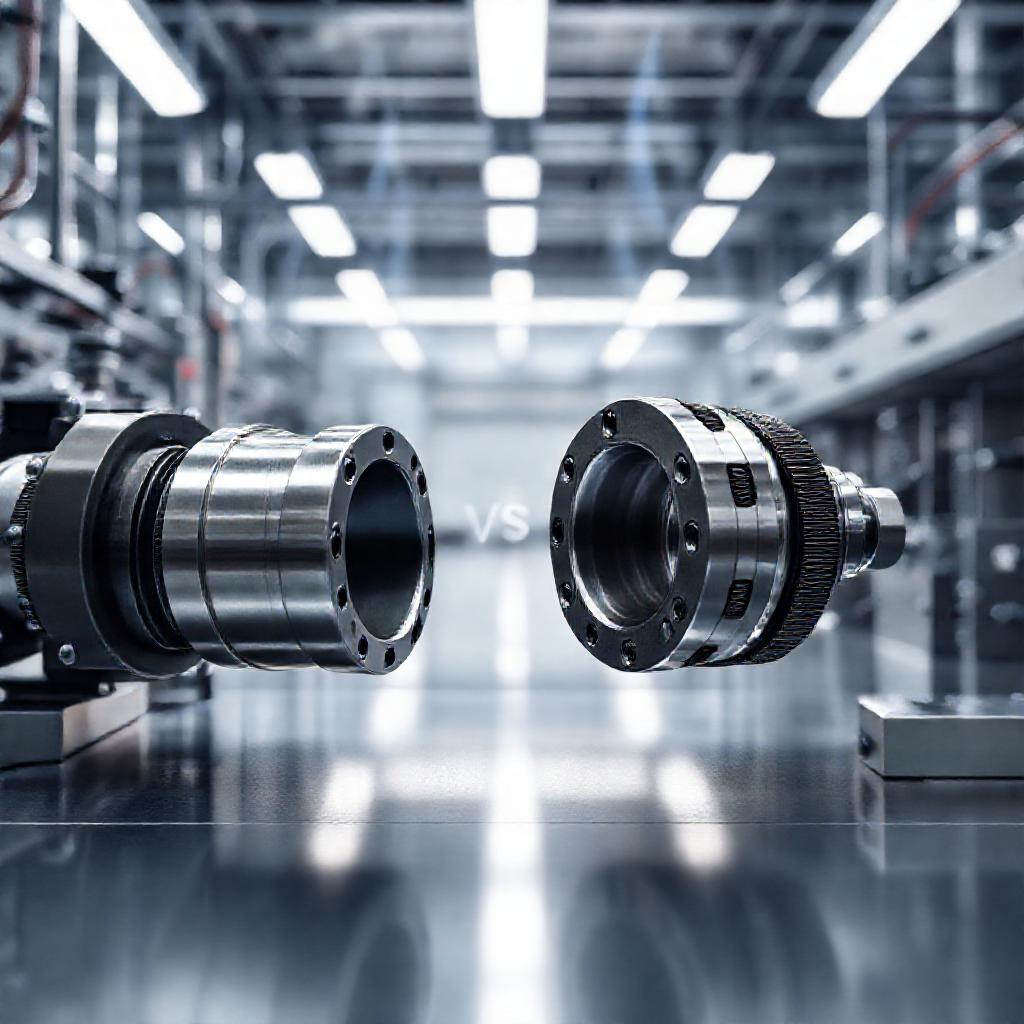
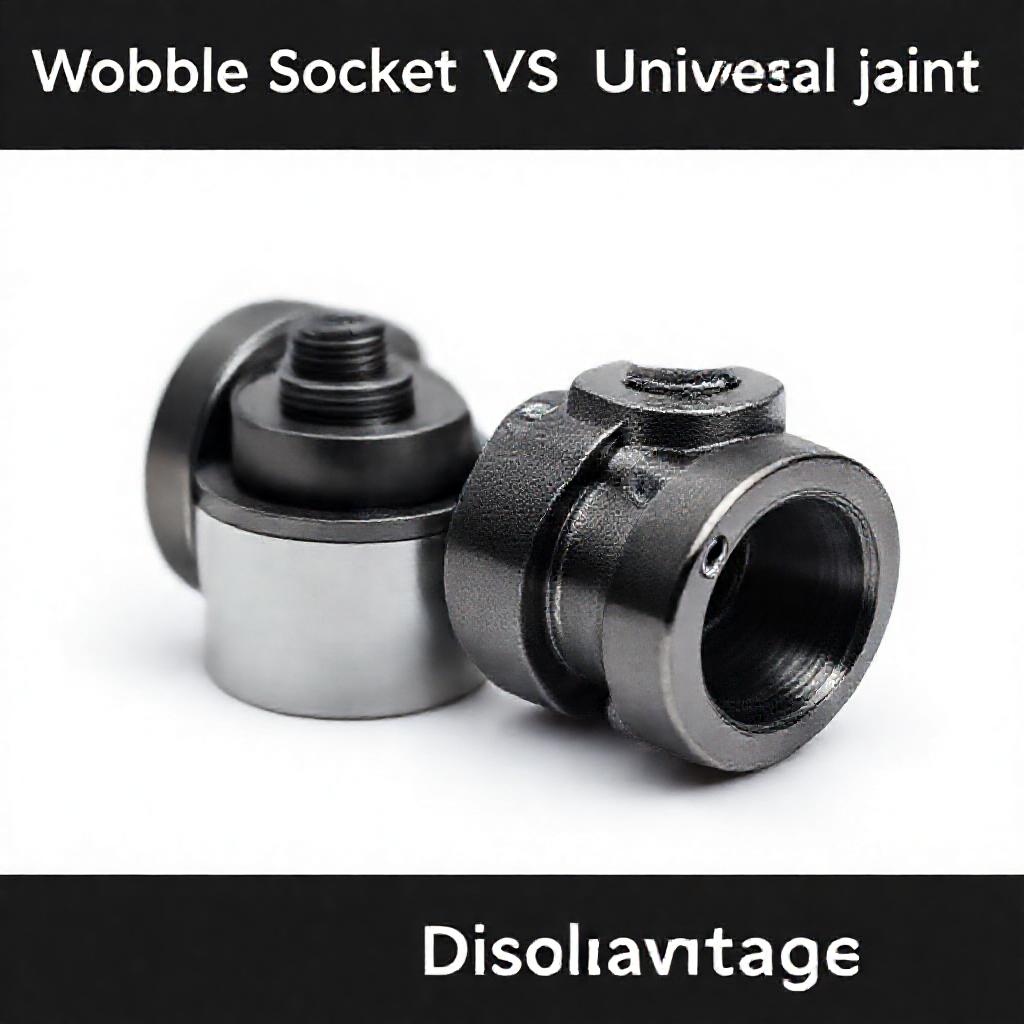
The design and construction of wobble sockets and universal joints differ significantly. Wobble sockets use a ball-and-socket mechanism, providing flexibility and ease of installation. Universal joints, on the other hand, use a cross-shaped yoke and bearing cups, offering high torque transmission and durability.
Functionality and Performance
In terms of functionality, wobble sockets excel in applications requiring flexibility and ease of installation, while universal joints are better suited for high-torque and heavy-duty applications. Both components can handle angular misalignment, but universal joints generally offer better performance in demanding environments.
Torque Transmission
Universal joints are superior in torque transmission, capable of handling higher torque loads and maintaining performance under heavy stress. Wobble sockets, while effective, may not be as robust in high-torque applications.
Flexibility and Range of Motion
Wobble sockets offer greater flexibility and a wider range of motion, making them ideal for applications where precise alignment is difficult. Universal joints, while flexible, are more limited in their range of motion compared to wobble sockets.
Durability and Maintenance
Universal joints are generally more durable and built to last, but they require more maintenance and are more complex to install. Wobble sockets are easier to maintain and install, making them a more accessible option for many applications.
Choosing Between Wobble Sockets and Universal Joints
Application-Specific Considerations
When choosing between a wobble socket and a universal joint, consider the specific requirements of your application:
- Flexibility: If flexibility and ease of installation are crucial, a wobble socket may be the better choice.
Cost and Availability
Wobble sockets are generally more cost-effective and easier to source compared to universal joints. Universal joints, while more expensive, offer superior performance and durability, making them a better investment for high-demand applications.
Installation and Maintenance
Wobble sockets are easier to install and maintain, requiring less specialized equipment and expertise. Universal joints, while more complex to install, offer long-term reliability and performance with proper maintenance.
Performance and Reliability
In terms of performance and reliability, universal joints are generally superior, especially in high-torque and heavy-duty applications. Wobble sockets, while reliable, may not offer the same level of performance in demanding environments.
Case Studies and Real-World Examples
Automotive Industry
In the automotive industry, wobble sockets are commonly used in steering systems to provide flexibility and reduce stress on the system. Universal joints, on the other hand, are used in drive shafts to transmit power from the transmission to the wheels, handling high torque loads and maintaining performance under various driving conditions.
Manufacturing Sector
In the manufacturing sector, wobble sockets are used in conveyor systems to accommodate misalignment and ensure smooth operation. Universal joints are used in heavy machinery and industrial equipment, where high torque transmission and durability are essential for reliable performance.
Other Industries
Wobble sockets and universal joints are also used in other industries, such as aerospace, where they are critical components in aircraft control systems, and in marine applications, where they ensure the efficient transmission of power in harsh environments.
Conclusion
Both wobble sockets and universal joints play crucial roles in mechanical systems, each with its own set of advantages and disadvantages. Wobble sockets offer flexibility, ease of installation, and maintenance, making them suitable for applications requiring these features. Universal joints, on the other hand, excel in high-torque and heavy-duty applications, providing superior performance and durability.
When choosing between the two, consider the specific requirements of your application, including torque needs, flexibility, maintenance, and cost. By understanding the key differences and characteristics of wobble sockets and universal joints, you can make an informed decision that ensures optimal performance and reliability in your mechanical systems.
As technology advances, we can expect to see further innovations in the design and application of these components, leading to even more efficient and reliable solutions in various industries.
FAQ
What are the main differences between a wobble socket and a universal joint?
The main differences lie in their design, functionality, and application. Wobble sockets use a ball-and-socket mechanism for flexibility and ease of installation, while universal joints use a cross-shaped yoke and bearing cups for high torque transmission and durability.
In which industries are wobble sockets most commonly used?
Wobble sockets are most commonly used in the automotive, manufacturing, and industrial sectors, particularly in applications requiring flexibility and ease of installation.
Are universal joints more durable than wobble sockets?
Yes, universal joints are generally more durable and built to last, but they require more maintenance and are more complex to install compared to wobble sockets.
How do wobble sockets and universal joints differ in terms of torque transmission?
Universal joints are superior in torque transmission, capable of handling higher torque loads and maintaining performance under heavy stress, while wobble sockets may not be as robust in high-torque applications.
What factors should I consider when choosing between a wobble socket and a universal joint?
Consider factors such as flexibility, torque needs, maintenance, cost, and specific application requirements to make an informed decision that ensures optimal performance and reliability.
Additional Resources
For further reading and in-depth information, you can explore the following resources:
If you have any additional questions or need expert advice, feel free to contact us at info@example.com.