Universal Joint Vs Swivel Socket
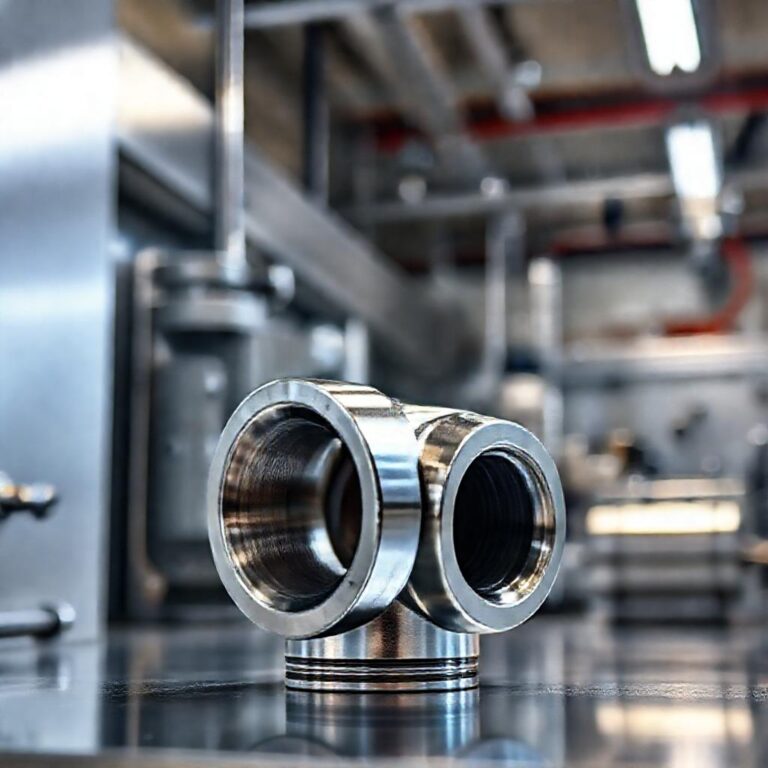
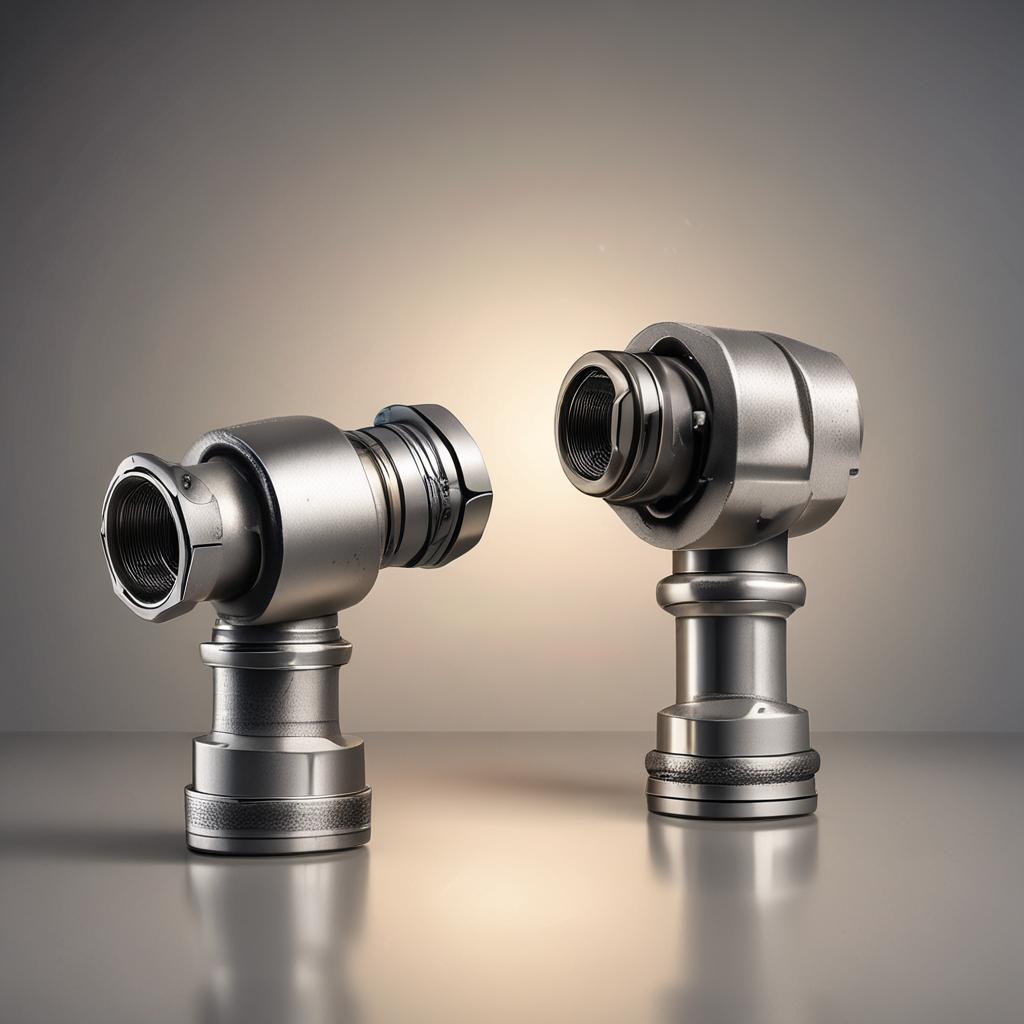
The debate between universal joints and swivel sockets has been ongoing, with each having its unique set of advantages and disadvantages. For professionals and DIY enthusiasts, understanding the nuances of these tools is crucial for efficient and effective work. This post aims to delve into the specifics of both universal joints and swivel sockets, comparing their functionalities, applications, and the scenarios in which one might be preferred over the other. By exploring the details of these tools, individuals can make informed decisions about which to use for their specific projects, ultimately leading to better outcomes and increased productivity.
Step-by-Step Process
Choose Tool
Select joint type
Inspect Joint
Check for wear
Measure Shaft
Determine size
Install Joint
Follow specs
Test Joint
Verify function
Process infographic for Universal Joint Vs Swivel Socket
Introduction to Universal Joint vs Swivel Socket
Overview of the Topic
The importance of understanding universal joints and swivel sockets cannot be overstated, especially in industries such as automotive, aerospace, and industrial machinery. These tools play critical roles in facilitating movement and torque transmission in a wide range of applications. As technology advances and projects become more complex, the need for flexible, reliable, and efficient tools has never been more pressing. This article will provide a comprehensive overview of universal joints and swivel sockets, helping readers navigate the often-confusing landscape of mechanical components.
Understanding Universal Joints
Definition and Functionality
Universal joints, also known as U-joints, are mechanical components used to transmit rotational motion between two shafts that are not in a straight line. They consist of a pair of hinges connected by a cross-shaped member, allowing for movement in multiple directions. There are several types of universal joints, including single and double cardan joints, each designed for specific applications and loads. Single cardan joints are suitable for applications where the angle of rotation is relatively small, while double cardan joints can handle larger angles and are often used in heavy-duty applications.
Applications of Universal Joints
Universal joints are widely used in various industries, including automotive, aerospace, and industrial machinery. In the automotive sector, they are commonly found in driveshafts and steering systems, allowing for smooth movement and torque transmission. In aerospace, universal joints are used in engine systems and landing gear, where reliability and durability are paramount. Industrial machinery also relies heavily on universal joints for power transmission and movement.
Understanding Swivel Sockets
Definition and Functionality
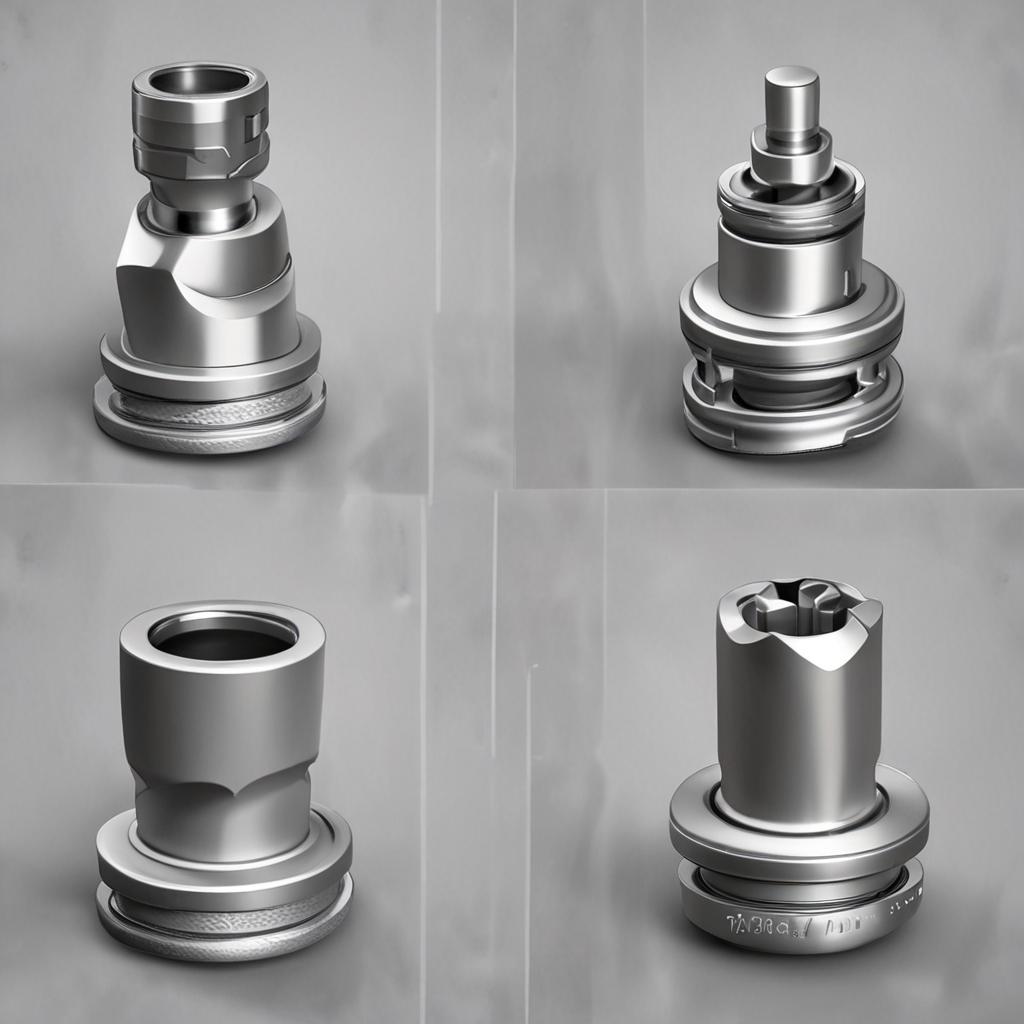
Swivel sockets are tools designed to provide flexibility and ease of use in various applications, particularly in tooling, machinery, and automotive repair. They consist of a socket that can rotate 360 degrees, allowing for work at angles and in confined spaces. Swivel sockets are ideal for scenarios where traditional sockets cannot reach or apply the necessary force, making them invaluable for precision work and tight spaces.
Applications of Swivel Sockets
Swivel sockets find their application in a multitude of scenarios, from automotive repair to industrial maintenance. They are particularly useful in situations where access is limited, such as when working with bolts or nuts in tight spaces. The ability of swivel sockets to apply force at an angle makes them indispensable for tasks that require precision and flexibility, such as in the assembly and disassembly of complex machinery.
Comparison of Universal Joints and Swivel Sockets
Key Differences
When comparing universal joints and swivel sockets, several key differences emerge. Universal joints are designed for heavy-duty applications, offering high durability and the ability to handle significant torque. In contrast, swivel sockets are designed for flexibility and ease of use, particularly in applications requiring work at angles or in confined spaces. The choice between the two ultimately depends on the specific requirements of the project, including factors such as torque, speed, and environmental conditions.
Choosing Between Universal Joints and Swivel Sockets
Choosing the right tool for the job is crucial for efficiency and safety. Professionals and DIYers should consider the project’s specific needs, including the level of torque required, the speed of operation, and any environmental factors that might affect tool performance. Additionally, understanding the limitations and potential applications of both universal joints and swivel sockets can help in adapting or modifying these tools for unique tasks, ensuring that projects are completed effectively and safely.
Conclusion
Summary of Key Points
In conclusion, universal joints and swivel sockets are both vital components in their respective applications, each offering unique advantages and disadvantages. Universal joints excel in heavy-duty applications requiring high torque and durability, while swivel sockets provide flexibility and ease of use in scenarios demanding work at angles or in tight spaces. By understanding the specifics of these tools, individuals can make informed decisions, leading to better project outcomes and increased productivity. Whether in the automotive, aerospace, or industrial sectors, the right choice between universal joints and swivel sockets can make all the difference.
FAQ
Frequently asked questions about universal joints and swivel sockets can provide additional insights into their use and application.
- Q: What is the primary advantage of using a universal joint over a swivel socket?
A: Universal joints are generally more durable and can handle higher torques, making them suitable for heavy-duty applications.
A: Swivel sockets are ideal for applications requiring flexibility and the ability to work at angles, such as in confined spaces or when precision is key.
A: While both provide flexibility, they are designed for different applications and should be chosen based on the specific requirements of the task at hand to ensure safety and efficiency.
A: Regular lubrication, inspection for wear, and proper storage are key to maintaining both universal joints and swivel sockets, though specific maintenance may vary depending on the type and application.
A: Yes, always follow the manufacturer’s guidelines, ensure proper installation, and be mindful of the operational limits of the tool to prevent accidents and injuries.