Universal Joint Socket Wrench
A universal joint socket wrench is a game-changer when you’re tackling projects in tight, awkward spaces. These handy tools offer the flexibility needed to access nuts and bolts that would otherwise be impossible to reach with a standard socket wrench. From automotive repairs to home improvement tasks, a universal joint socket wrench can save you time and frustration. This blog post will delve into the world of universal joint socket wrenches, exploring their types, applications, and how to choose and use them effectively.
What is a Universal Joint Socket Wrench?
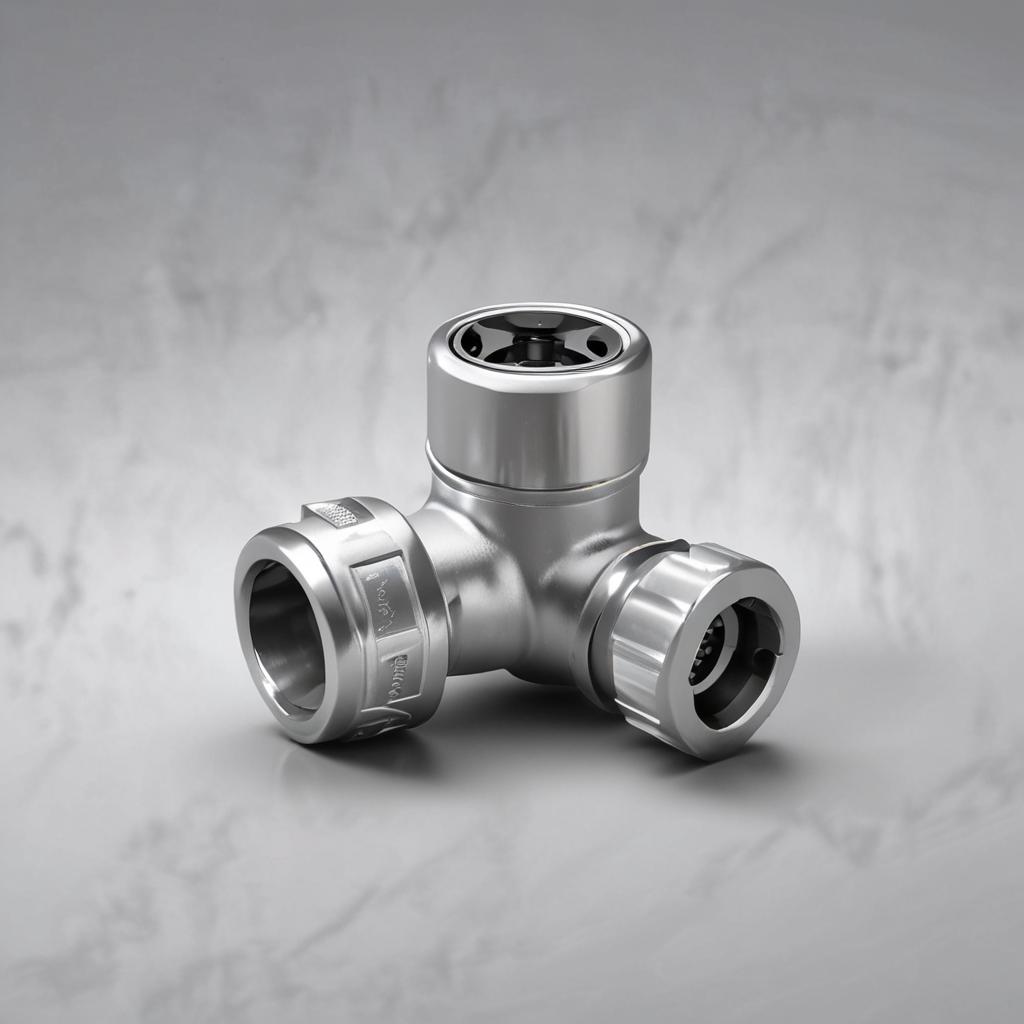
A universal joint socket wrench is a specialized tool designed to provide flexibility when working with fasteners in confined or difficult-to-reach areas. It features a universal joint, also known as a U-joint, that allows the socket to pivot and rotate, enabling access at various angles. This flexibility makes it an essential tool for mechanics, technicians, and DIY enthusiasts.
The key features of a universal joint socket wrench include the socket, the universal joint, and the drive end. The universal joint is the central component, providing the angular movement. Unlike standard socket wrenches, which are rigid, the universal joint allows for a greater range of motion. This tool is a must have in any toolbox.
The primary difference between a universal joint socket wrench and other types of wrenches is its ability to operate at an angle. While standard wrenches and sockets are designed for straight-on access, a universal joint socket wrench can navigate around obstacles and reach fasteners that would otherwise be inaccessible.
Types of Universal Joint Socket Wrenches
Adjustable Universal Joint Socket Wrench
An adjustable universal joint socket wrench allows you to tighten or loosen nuts and bolts from various angles. These types of wrenches are useful when you are working in tight or hard to reach spots. They are very versatile and can be adjusted to different positions.
- Pros: Highly versatile, adaptable to various angles, useful in extremely tight spaces.
Fixed Universal Joint Socket Wrench
A fixed universal joint socket wrench is designed with a pre-set angle for specific applications. These wrenches are more rigid and designed for applications when you need a more sturdy base.
- Pros: More robust and stable than adjustable versions, better suited for high-torque applications.
Telescoping Universal Joint Socket Wrench
A telescoping universal joint socket wrench features an extendable handle, providing added reach and leverage. This type of wrench is useful for accessing fasteners located deep within machinery or engine compartments.
- Pros: Extended reach, increased leverage, useful for hard-to-reach fasteners.
How to Choose the Right Universal Joint Socket Wrench
Material Considerations
The material of your universal joint socket wrench significantly impacts its durability and performance. Common materials include steel and chrome vanadium. Selecting the right material ensures the wrench can withstand the rigors of regular use.
Steel is a strong and durable option, while chrome vanadium offers excellent corrosion resistance. A wrench made from high-quality steel is less likely to break or deform under pressure. Corrosion resistance is particularly important if you work in environments where moisture or chemicals are present.
Size and Length
Universal joint socket wrenches come in various sizes and lengths to accommodate different fasteners and access requirements. Common sizes range from small metric sizes to larger SAE sizes. The length of the wrench affects leverage and accessibility.
To determine the right size, measure the nuts and bolts you need to work with. Ensure the socket fits snugly to prevent slippage and damage. Longer wrenches provide greater leverage, making it easier to loosen stubborn fasteners, but they may be harder to maneuver in tight spaces.
Brand and Quality
Choosing a reputable brand can make a significant difference in the quality and longevity of your universal joint socket wrench. Well-known brands often use higher-quality materials and manufacturing processes. Reading reviews and seeking recommendations from other users can also help you make an informed decision.
Progress Overview
Progress analysis for Universal Joint Socket Wrench
Investing in a high-quality wrench ensures better performance and durability. A well-made wrench is less likely to break or wear out quickly, providing long-term value. Consider the warranty offered by the manufacturer as an indicator of their confidence in the product.
Applications of Universal Joint Socket Wrenches
Automotive Repair
Universal joint socket wrenches are indispensable tools for automotive repair. They are commonly used for tasks such as changing spark plugs, working on U-joints, and accessing fasteners in the engine compartment. Their flexibility allows mechanics to reach difficult-to-access components without disassembling other parts.
Mechanical Maintenance
In mechanical maintenance, these wrenches are used for a variety of general tasks. They are particularly useful for maintaining machinery and equipment in industrial settings. Their ability to reach fasteners at various angles makes them ideal for complex mechanical systems.
DIY Projects
For DIY enthusiasts, a universal joint socket wrench is a valuable addition to any toolkit. It can be used for home improvement projects, furniture assembly, and other tasks that require accessing fasteners in tight spaces. Its versatility makes it a go-to tool for a wide range of applications.
How to Use a Universal Joint Socket Wrench
Preparation
Before using a universal joint socket wrench, it’s essential to take necessary safety precautions. Always wear safety glasses to protect your eyes from debris. Ensure you have the correct size socket and that the wrench is in good working condition.
Gather all the necessary tools and materials, including the universal joint socket wrench, sockets, extensions, and any penetrating oil or lubricants you may need. Make sure the work area is well-lit and free from obstructions. Proper preparation helps ensure a safe and efficient work process.
Step-by-Step Guide
1. Inserting the socket: Attach the appropriate socket to the universal joint socket wrench. Ensure it is securely fastened and properly aligned.
2. Maneuvering in tight spaces: Position the socket over the fastener, using the universal joint to navigate around any obstacles. Take your time to ensure the socket is properly seated on the nut or bolt.
3. Applying torque: Apply steady, even pressure to the wrench handle to tighten or loosen the fastener. Avoid jerking or applying excessive force, which can damage the wrench or the fastener.
Tips and Tricks
Avoid common mistakes such as using the wrong size socket or applying excessive force. Use penetrating oil to loosen stubborn fasteners. Consider using extensions to reach fasteners in particularly deep or inaccessible locations.
For advanced techniques, practice using the wrench in different positions and angles to develop a feel for its capabilities. Use a breaker bar for added leverage when dealing with extremely tight fasteners. Always inspect the wrench for wear and tear before each use.
Maintenance and Care for Your Universal Joint Socket Wrench
Cleaning and Storage
Proper cleaning and storage are essential for maintaining the performance and longevity of your universal joint socket wrench. After each use, wipe the wrench clean with a cloth to remove dirt, grease, and debris. Store the wrench in a dry, secure location to prevent corrosion and damage.
Use a mild detergent or solvent to remove stubborn grime. Avoid using abrasive cleaners, which can damage the finish. Store the wrench in a tool box or drawer to protect it from dust and moisture.
Inspection and Repair
Regularly inspect your universal joint socket wrench for signs of wear and tear. Check for cracks, rust, and loose joints. If you notice any damage, repair or replace the wrench as needed.
Pay close attention to the universal joint, as this is the most vulnerable part of the wrench. If the joint is loose or wobbly, it may need to be tightened or replaced. Replace worn or damaged sockets to ensure proper fit and prevent slippage.
Benefits and Advantages of Using a Universal Joint Socket Wrench
Versatility
The primary advantage of a universal joint socket wrench is its versatility. It allows you to work in tight spaces and access fasteners at various angles. This makes it an indispensable tool for a wide range of applications.
Efficiency
Using a universal joint socket wrench can save you time and effort by eliminating the need to disassemble other parts to access fasteners. Its flexibility allows you to complete tasks more quickly and efficiently.
Cost-Effectiveness
Investing in a high-quality universal joint socket wrench offers long-term value and durability. A well-maintained wrench can last for many years, making it a cost-effective addition to your toolkit. Its versatility and efficiency can also save you money on labor costs.
Common Issues and Troubleshooting
Stuck or Rusty Bolts
If you encounter stuck or rusty bolts, apply penetrating oil and allow it to soak for several minutes. Use a breaker bar for added leverage. If the bolt still won’t budge, try applying heat with a torch to expand the metal.
Worn or Damaged Sockets
Identify worn or damaged sockets by inspecting them for cracks, rounded edges, or excessive wear. Replace damaged sockets immediately to prevent slippage and potential injury. Use high-quality replacement sockets that match the wrench’s specifications.
Torque Application Problems
To apply torque correctly, use a torque wrench to ensure accurate measurements. Apply steady, even pressure to the wrench handle. Avoid jerking or applying excessive force, which can damage the fastener or the wrench.
Conclusion
In conclusion, a universal joint socket wrench is a valuable tool for anyone who needs to work with fasteners in tight or awkward spaces. Its versatility, efficiency, and cost-effectiveness make it an essential addition to any toolkit. By understanding the different types of wrenches, how to choose the right one, and how to use and maintain it properly, you can maximize its benefits and ensure its longevity. So, whether you’re a professional mechanic or a DIY enthusiast, consider adding a universal joint socket wrench to your arsenal and experience the difference it can make.
FAQ
What is the main advantage of a universal joint socket wrench?
The main advantage is its versatility in tight spaces, allowing access to fasteners that would otherwise be unreachable.
How do I choose the right size for my needs?
Measure the nuts and bolts you need to work with to ensure the socket fits snugly and prevents slippage.
Can a universal joint socket wrench be used for high-torque applications?
Yes, but use caution and ensure you have the right size wrench and socket for the job. Consider using a fixed universal joint socket wrench for added stability.
How often should I inspect my universal joint socket wrench?
Inspect it before each use and after major projects to identify any signs of wear and tear.
Are there any safety precautions I should take when using a universal joint socket wrench?
Wear protective gear, ensure the wrench fits properly, and apply torque gradually to avoid injury and damage.