Swivel Socket Vs Universal Joint
In the realm of mechanical tools and equipment, swivel sockets and universal joints are two crucial components that facilitate a wide range of operations across various industries. These tools are designed to provide flexibility and efficiency in different applications, from automotive and construction to manufacturing and more. Understanding the differences and advantages of swivel sockets and universal joints is essential for selecting the right tool for the job, ensuring not only efficiency but also safety. This article aims to delve into the world of swivel sockets and universal joints, exploring their definitions, functionalities, advantages, and applications, ultimately guiding readers on how to choose between these two indispensable tools.
Step-by-Step Process
Identify Application
Determine the specific use case for the joint.
Assess Movement
Evaluate required range of motion and flexibility.
Check Load Capacity
Verify the load and torque requirements.
Select Joint Type
Choose swivel socket or universal joint.
Install and Test
Install the selected joint and perform tests.
Process infographic for Swivel Socket Vs Universal Joint
Introduction to Swivel Socket vs Universal Joint
Brief Overview of the Topic
The importance of swivel sockets and universal joints cannot be overstated, as they play pivotal roles in their respective applications. Swivel sockets are renowned for their ability to provide flexibility and ease of use in tight spaces, while universal joints are celebrated for their capacity to transmit rotational power through angled or misaligned shafts. The purpose of comparing these two tools is to highlight their unique benefits and uses, enabling professionals and DIY enthusiasts alike to make informed decisions when it comes to tool selection.
Understanding Swivel Sockets
Definition and Functionality of Swivel Sockets
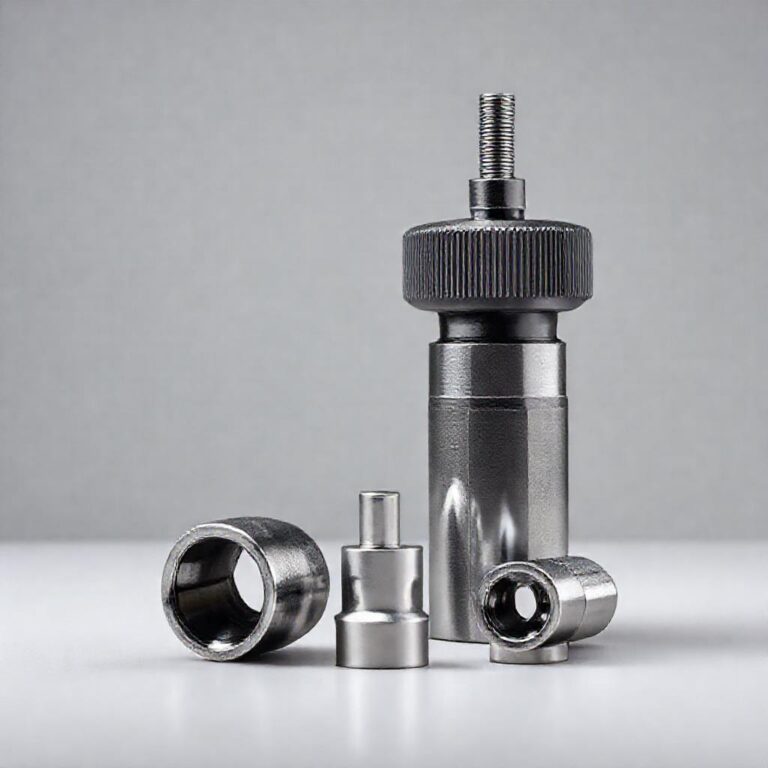
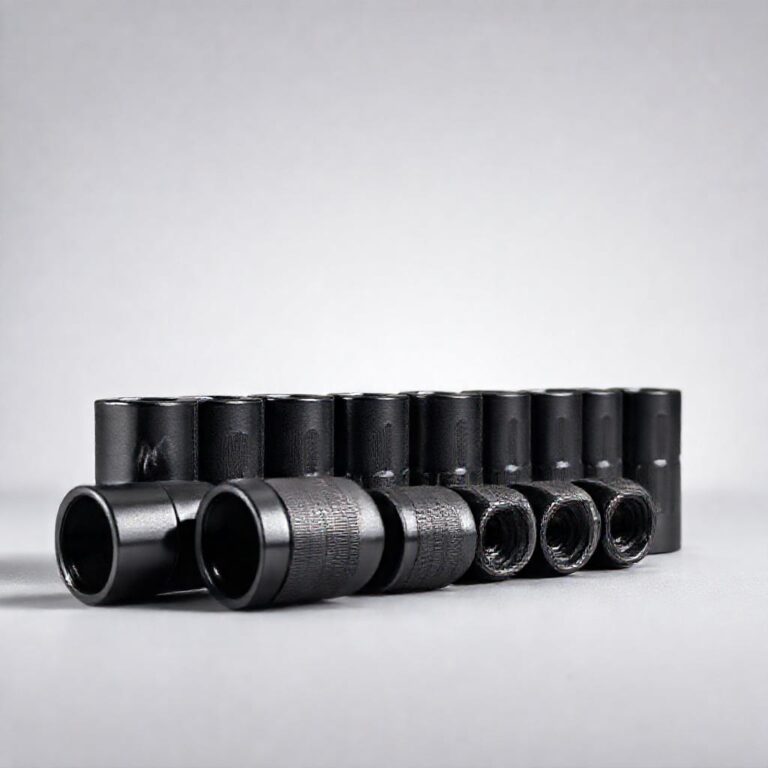
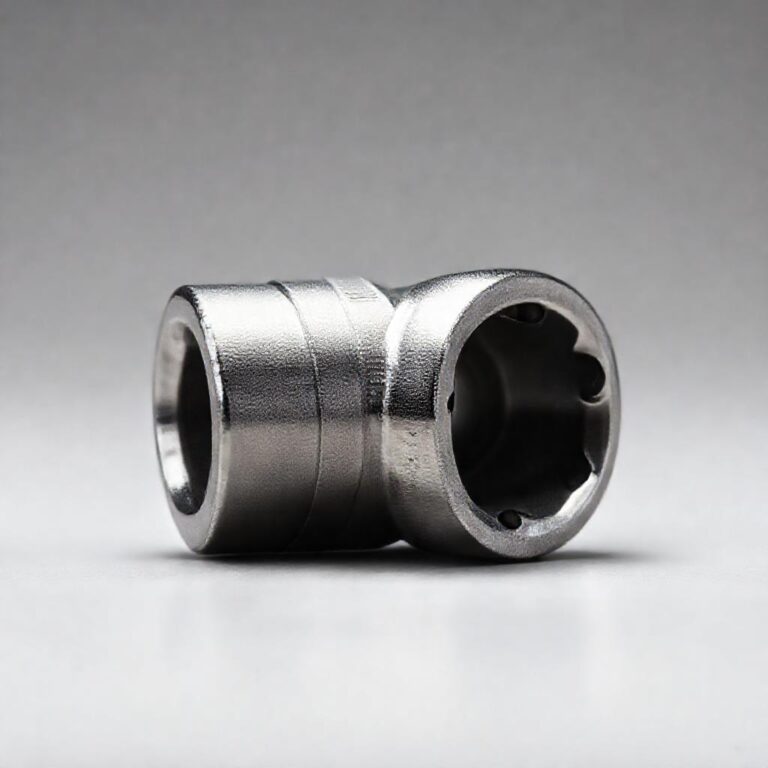
Swivel sockets are designed to offer flexibility and ease of use, particularly in confined or hard-to-reach areas. Their design allows for a swiveling motion, making it easier to apply torque in spaces where traditional sockets cannot be used effectively. Made from durable materials such as steel or chrome vanadium, swivel sockets are built to withstand the rigors of frequent use. They are commonly applied in automotive repair, construction, and manufacturing, where accessibility is a challenge.
Advantages of Swivel Sockets
The benefits of using swivel sockets are multifaceted. They increase accessibility, reduce strain on the user, and enable the application of torque in confined areas. Industries such as automotive and aerospace particularly benefit from swivel sockets, as they facilitate repairs and maintenance in tight engine compartments and other hard-to-reach areas. The ease of use and flexibility of swivel sockets make them an indispensable tool for any professional or DIY project requiring work in tight spaces.
Understanding Universal Joints
Definition and Functionality of Universal Joints
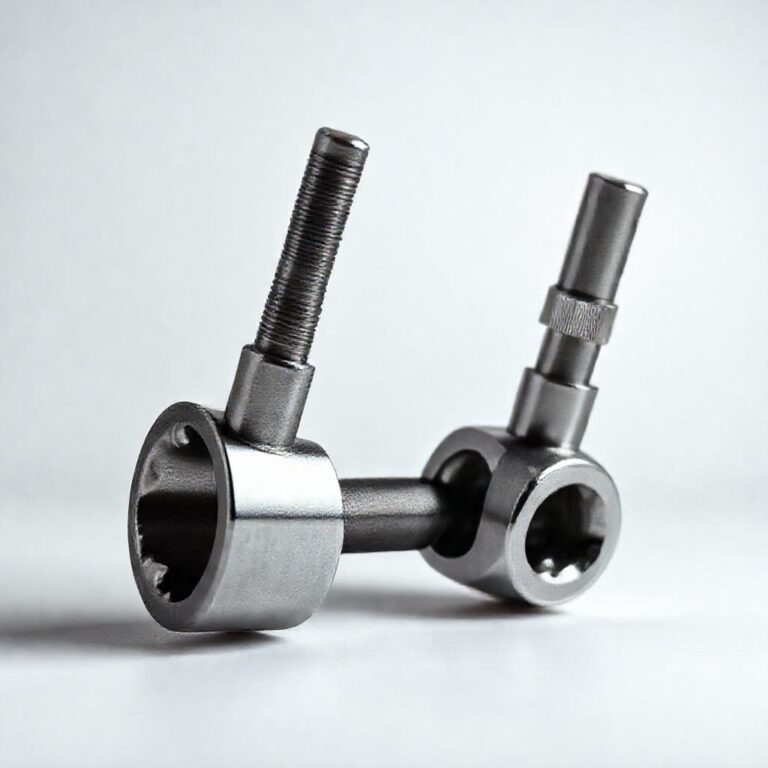
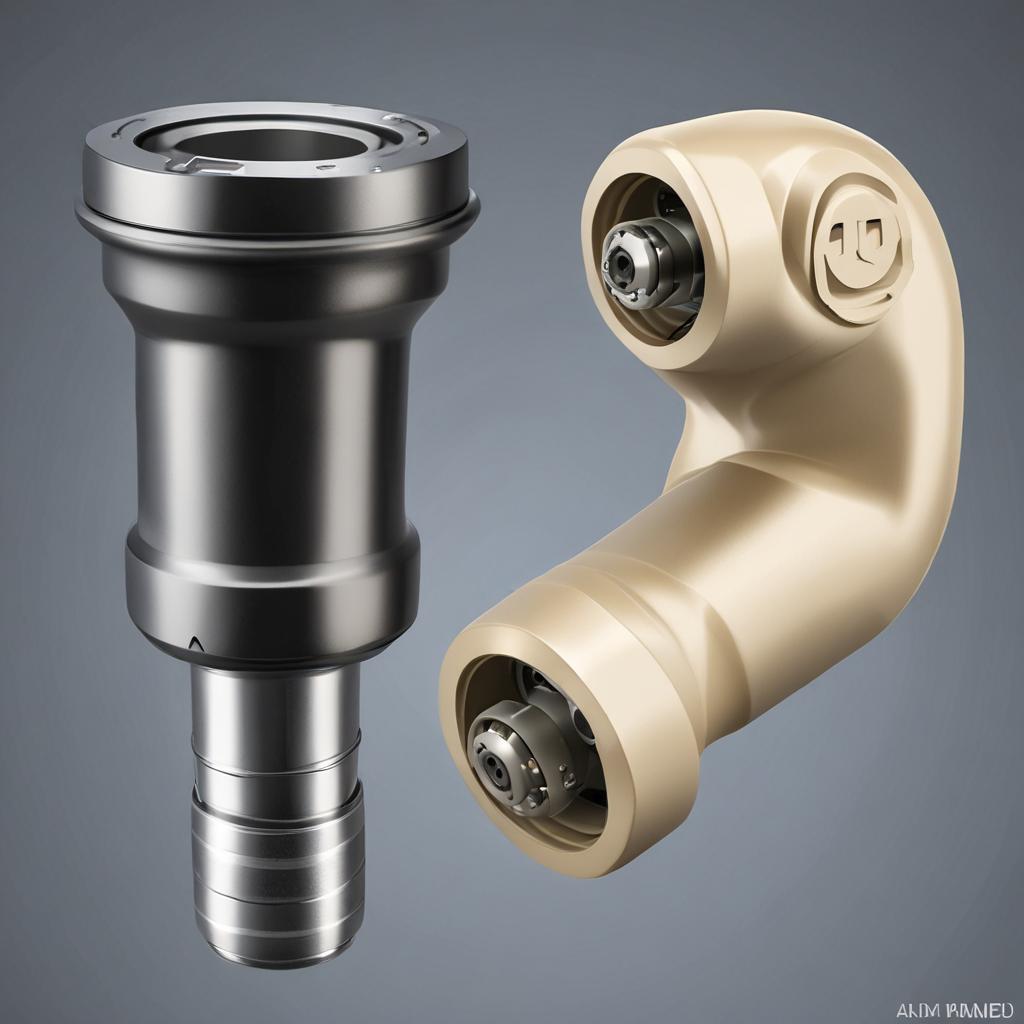
Universal joints, also known as U-joints, are mechanical components that allow for the transmission of rotational power through angled or misaligned shafts. Their design enables them to accommodate movement in any direction, making them crucial in applications where shafts are not always perfectly aligned. Universal joints are used in a variety of mechanical systems, including driveshafts in vehicles and machinery in industrial settings.
Advantages of Universal Joints
The advantages of universal joints are significant, including their ability to handle high torque, their durability, and their versatility in a wide range of mechanical systems. Vehicles, particularly those with rear-wheel drive or four-wheel drive, rely heavily on universal joints to transmit power from the engine to the wheels efficiently. Additionally, universal joints are used in industrial machinery, where they facilitate the smooth operation of complex systems despite misalignments or movements.
Comparison of Swivel Sockets and Universal Joints
Key Differences
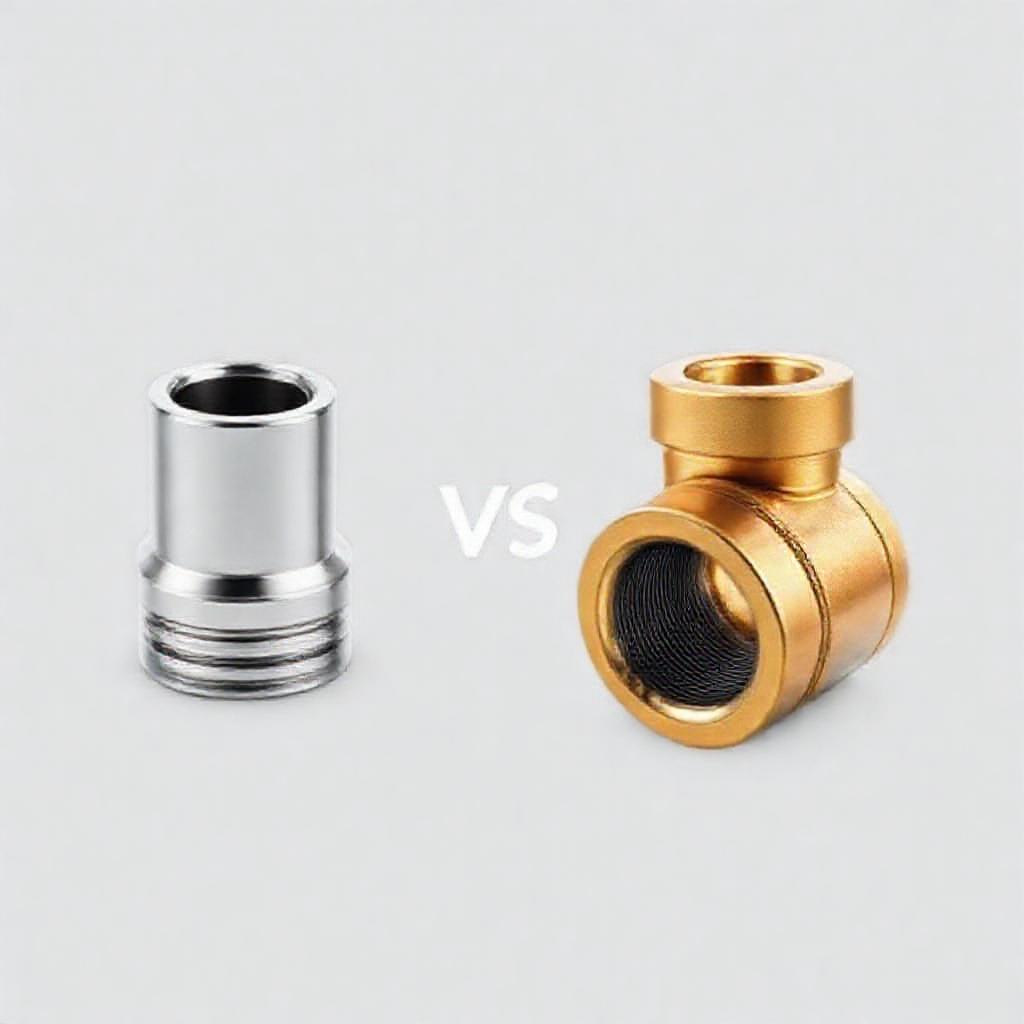
The key differences between swivel sockets and universal joints lie in their design, application, and the type of tasks they are suited for. Swivel sockets are ideal for applications requiring flexibility and ease of use in tight spaces, while universal joints are designed for the transmission of rotational power through angled shafts. Understanding these differences is crucial for choosing the right tool for a specific task or industry.
Choosing Between Swivel Sockets and Universal Joints
Deciding between swivel sockets and universal joints should be based on the specific requirements of the task at hand. Factors such as the required flexibility, the amount of torque needed, and the environmental conditions should be considered. For tasks that require working in tight spaces with ease, swivel sockets are the preferred choice. However, for applications that involve the transmission of rotational power through angled shafts, universal joints are the better option.
Applications and Industries
Industries That Rely on Swivel Sockets and Universal Joints
Both swivel sockets and universal joints are utilized across a variety of industries. The automotive industry, for instance, relies on swivel sockets for repairs and maintenance in tight engine compartments, while universal joints are critical in the transmission of power from the engine to the wheels. In construction and manufacturing, these tools are used for their versatility and ability to handle a range of tasks, from assembly to repair.
Conclusion
Summary of Key Points
In conclusion, swivel sockets and universal joints are two distinct tools with unique advantages and applications. Swivel sockets offer flexibility and ease of use in tight spaces, while universal joints facilitate the transmission of rotational power through angled shafts. Understanding the differences and advantages of these tools is essential for selecting the right one for the job, ensuring efficiency, safety, and the successful completion of tasks across various industries.
FAQ
Frequently Asked Questions
- What is the primary advantage of using a swivel socket over a universal joint?
- In what situations would a universal joint be preferred over a swivel socket?
The primary advantage is the flexibility and ease of use in tight spaces without the need for precise alignment.
Universal joints are preferred in